
The selected site should be dry without dampness. High RH will affect bee flight and ripening of nectar. Clean natural or artificial source of water should be provided. Trees serve as wind belts in cool areas. Hives can be kept under shade of trees or artificial structures should be constructed to provide shade. Plants that yield pollen and nectar to bees are called bee pasturage and florage. Such plants should be plenty around the apiary site.
farming practices
When and how oats harvesting is done?
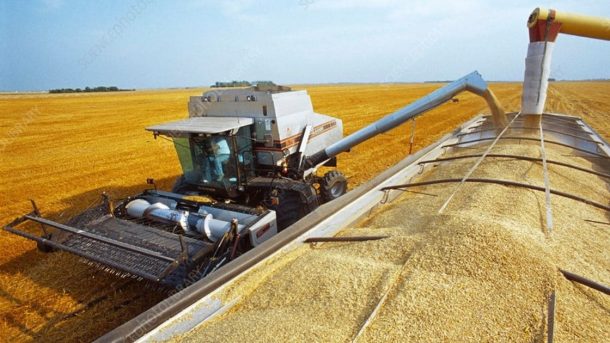
Oats are fully mature and ready to harvest after 4 to 5 months of sowing. To avoid grain shedding, the crop must be harvested in early April month. The timing of harvest is critical to avoid damage to oat hulls, thereby reducing quality and crop yield.
What is the spacing maintained in oats crop?
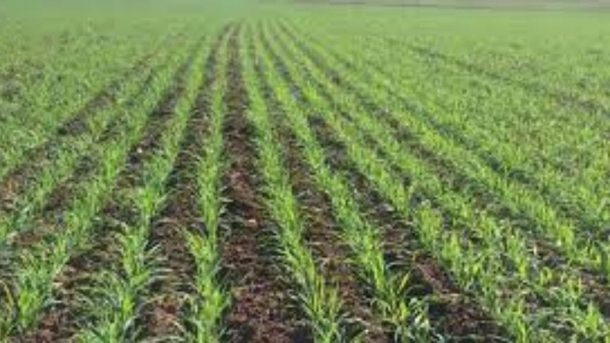
The spacing of 25 to 30 cm should be kept between rows. Spring planted oats do not produce many tillers. Consequently, a higher seeding rate and slightly shallow planting depth result in faster establishment and increased growth. Growth is improved when the seed is drill planted at a seeding rate of 80 to 100 pounds of seed per acre. Seeding depth can be as deep as about 1 ½ inches, but planting at only ½ to ¾ inches deep will increase the rate of emergence, establishment and forage production potential.
How to sow castor seeds?
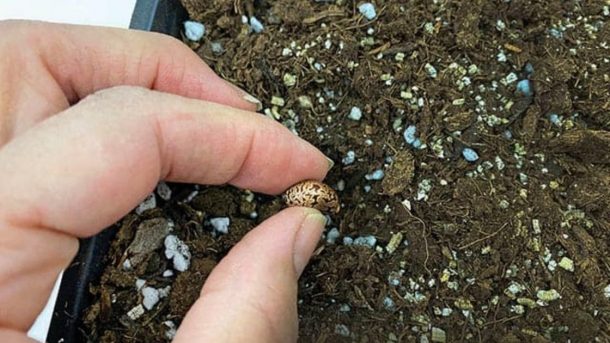
Castor is mainly propagated through seeds. The selected seeds for planting must be healthy and come from prolific mother plants. In mechanized countries, seed are planted about 4 to 7.5 cm deep in rows 1 meter apart; And about 50 cm apart within rows. In un mechanized countries, seeds are planted about 60 by 90 cm apart that prefer larger varieties. About 10-12 kg of seeds is required per hectare. Seeds are treated with Carbendazim at 2 gm/kg of seed for preventing some seed borne diseases. Then, soak the seeds in water for about 20 hours.
How pruning plays an important role in apple rose farming?
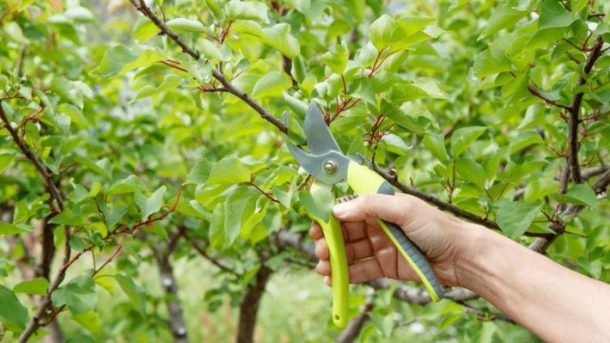
Rose apple trees can reach a height of 12 to 15 meters. However, for establishing a better frame work, the height of the tree should be adjusted to 4 to 5meters height through the pruning process. Annual renewal pruning should be done after harvesting or before production period to make the desired tree height. The successful pruning depends on production period adjustment of the orchard, soil type and season.
Which is the best intercrop for pears?
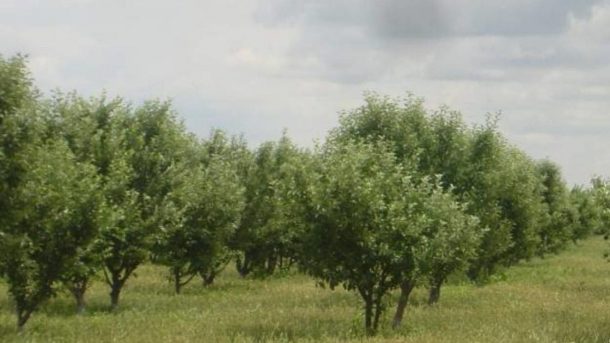
Intercropping is the best method to make some additional income from 1 to 2 years of plantation. Inter crops like Wheat, green gram, peas and sunflower are best suited. Some of the crops include Mash, Moong, Wheat and Gram etc. In the kharif season, crops like moong can be taken as intercrop. Wheat, pea, Gram is taken as Rabi crop during the non-bearing season.
Which is best intercrop for Apple?
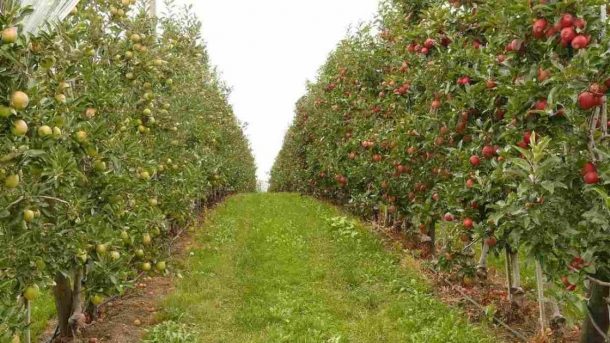
When compared with soyabean, peanut was more suitable for intercropping with apple trees to obtain economic benefits. Some agronomic measures such as regular canopy pruning, root barriers, additional irrigation and fertilization should be applied in the intercropping systems. The major impact of intercrops on the relative economic yield of apple revealed that the apple trees intercropped with pea had better benefit.
Which is the best intercrop for dates?
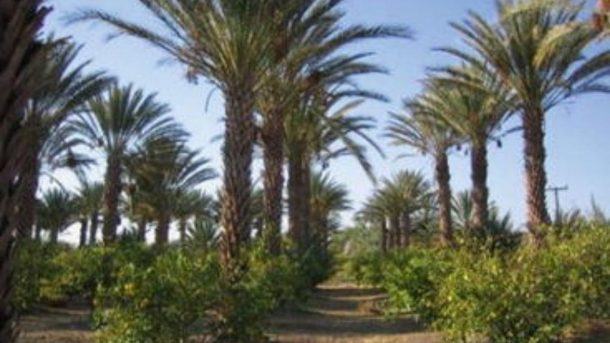
The Dates farms are intercropped with crops like green gram, Black gram, Beans and lentils, tomatoes, papaya and pomegranate. Ensure adequate water and fertilizers required in the case of intercropping. For first harvesting, 4 to 5 years are required. In between vegetables like chilli, peas and brinjal etc., can be taken as intercrop.
Which is the best intercrop for Sapota?
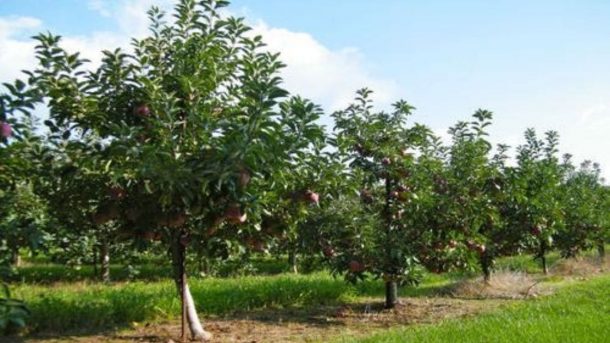
The sapota farming area is used for legumes and short duration crops during the pre-bearing period. These intercrops are raised for generating more profit and fixing the nitrogen levels in the soil. The sapota farms are intercropped with some vegetables’ crops such as Tomato, Cabbage, Cauliflower and French beans etc. Sapota intercropping with Banana, Papaya, Pineapple and cocoa, peas, Brinjal and cucurbits is recommended depending upon the climate and irrigation facilities available.
Which is the best intercrop for papaya?
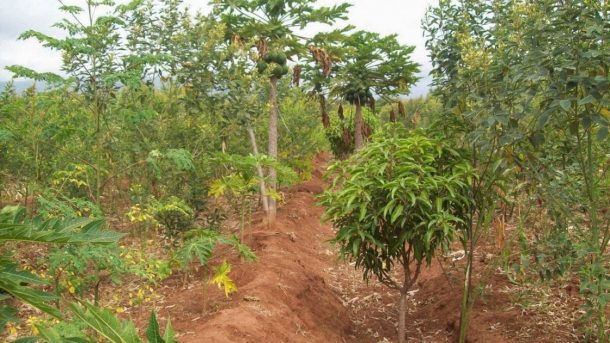
In papaya, intercropping leguminous crops after non leguminous ones, shallow rooted crops after deep rotted ones are beneficial, no intercrops are taken after the on set off the flowering stage in papaya. To keep the plot free of weeds during the pre-bearing age of first to 6 months after planting short duration vegetable crops can be grown as intercrops. Once papaya starts bearing it is difficult to grow intercrops because of the shade. Papaya can be grown as an intercrop in fruit plantation of Mango, Litchi and sapota etc. Also, it can be grown as an intercrop in coconut and Arecanut plantations, where there is no shade in the inter spaces.