Farm equipments

 What is the concept of smart farming?

smart farming

Smart farming offers precision farming techniques, in which farm management is customised to particular areas or even individual plants. Farmers may administer inputs, such as water, fertiliser, or pesticides, precisely where and when they are needed, depending on the conditions and needs of the crop, by using data and technology. This accuracy aids in waste minimization, environmental effect mitigation, and resource utilisation optimisation.

Automation and robotics: Agricultural processes are automated and robotics is used in smart farming. Planting, harvesting, spraying, and monitoring operations can be carried out by automated equipment like autonomous tractors or robotic systems. The usage of robotics is also possible for activities like milking, sorting, and fine weed control. Robotics and automation increase productivity, decrease the need for labour, and allow around-the-clock operations.

Farm Management Systems: Farm management software systems incorporate and analyze data from various sources to enhance agricultural operations. These platforms give farmers a centralised perspective of their business operations, enabling them to manage resources, track profitability, and keep an eye on performance. Systems for managing farms help with record-keeping, planning, scheduling, and regulatory compliance.

Sustainable and Efficient Practises: Using smart farming methods encourages efficient and sustainable agriculture. Smart farming increases output while preserving resources, minimising negative environmental effects from chemical use, and optimising inputs. It promotes efficient fertiliser management, focused crop protection, precise irrigation, and all-around sustainable farming techniques.

 How are sensors used in smart agriculture?

sensors

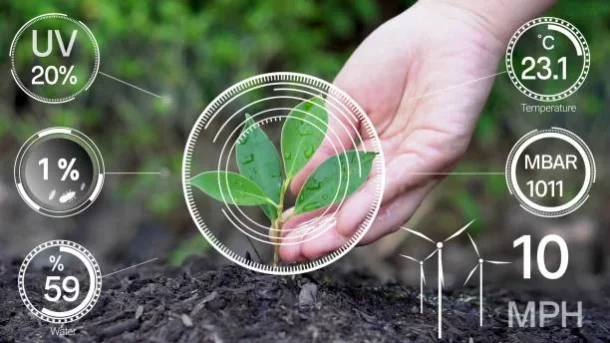
Soil sensors: Soil sensors gauge the soil’s temperature, moisture content, and nutrient levels. Farmers can use this information to make well-informed decisions about managing soil health, applying fertiliser, and scheduling irrigation. In order to track the distribution of moisture and guarantee effective water use, soil sensor can be positioned at various depths.

Weather Sensors: Data on temperature, humidity, precipitation, wind speed, and sun radiation is collected by weather sensors. Monitoring weather trends, forecasting changes, and modifying farming practises all depend on this knowledge. Weather sensor aid in resource management optimisation, crop protection from severe weather, and irrigation optimisation.

Crop health sensor monitor a number of aspects of a plant’s health, such as the amount of chlorophyll present, the temperature of the leaf, and the amount of photosynthetic activity. These sensors are capable of identifying the first hints of stress, nutrient deficits, illnesses, and insect infestations. Farmers can take prompt action to avert or lessen potential damage and improve treatment plans by keeping an eye on the condition of their crops.

Sensors are used in livestock facilities to monitor the health, behaviour, and welfare of the animals. They can monitor things like body temperature, heart rate, level of activity, and dietary habits. Livestock sensor aid in the early detection of illness, stress, or abnormal behaviour, allowing for better herd management and early intervention.

What are the benefits of using drones in agriculture?

drones

Aerial imaging and mapping: Farmers can construct precise maps of their property using high-resolution aerial photos taken by drones with cameras or sensors. With the help of this data, targeted interventions and precision agriculture techniques may be carried out. They also reveal important insights into crop health, growth trends, and differences within the field.

Drones can regularly fly over crops to obtain visual and multispectral data as part of crop monitoring and health assessments.  this data may be analysed to monitor crop health and find early indications of stress, nutrient deficiency, illness, or insect infestation. Farmers may minimise crop losses, allocate resources more efficiently, and take necessary action with the aid of prompt detection.

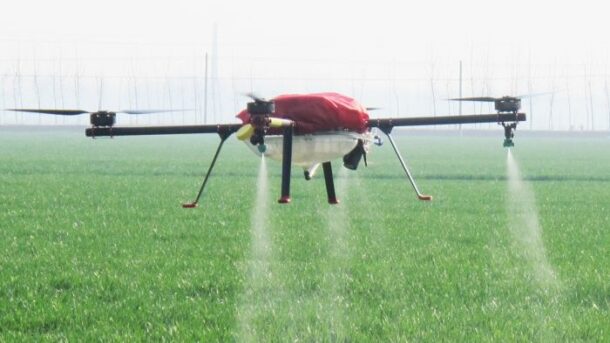
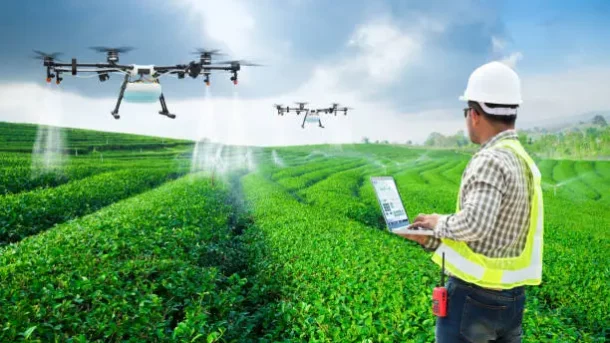
Agricultural drones allow farmers to monitor crop and livestock conditions from the air to keep watch for potential problems and help optimize field management. There are several functions that farmers and other agribusiness owners can use agricultural drone services for, including:

  • Land imaging
  • Surveying topography and boundaries
  • Soil monitoring
  • Livestock movement and counting
  • Irrigation monitoring
  • Spraying needs
  • Collecting soil and water samples
  • Troubleshooting

How can I improve the efficiency and sustainability of my farming operations?

operations

Farming operations refer to the various activities involved in the cultivation and management of crops and livestock for the purpose of producing food, fiber, or other agricultural products. These operations can vary greatly depending on factors such as the type of farming, the scale of operation, and the geographical location. Here are some common aspects of farming operations:

Land Preparation: This involves clearing the land, removing any debris or vegetation, and preparing the soil for planting. It may include activities such as plowing, tilling, or leveling the land.

Crop Selection and Planting: Farmers choose the crops they want to grow based on factors such as market demand, soil suitability, and climate conditions. They prepare the seeds or seedlings and plant them in the prepared soil, ensuring proper spacing and planting depth.

Irrigation: Providing water to crops is essential for their growth and development. Farmers use various irrigation methods such as sprinklers, drip irrigation, or flood irrigation to ensure that the plants receive adequate moisture.

Pest and Weed Control: Farmers employ various strategies to protect their crops from pests, diseases, and weeds. This may involve the use of pesticides, herbicides, biological control methods, or integrated pest management techniques.

Fertilization: Crops require essential nutrients for healthy growth. Farmers apply fertilizers to provide these nutrients to the soil, either in organic or synthetic form. They may also use soil testing to determine the specific nutrient requirements of their crops.

Harvesting: Once the crops reach maturity, they are ready for harvest. The timing and method of harvesting depend on the crop type. Some crops are harvested by hand, while others require specialized machinery such as combines for efficient harvesting.

What is the Cost of drone pesticide spray across different countries?

different countries

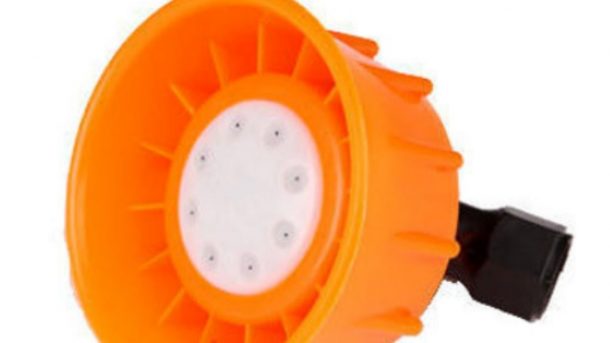
The cost of drone pesticide spraying can vary significantly across different countries, depending on factors such as the cost of labor, the cost of the equipment, and local regulations. In developed countries like the United States, the cost of drone pesticide spraying can range from $10 to $15 per acre, depending on the location and the type of crop. In developing countries, the cost may be lower due to lower labor costs. For example, in India, the cost of drone pesticide spraying ranges from $3 to $5 per acre. In Africa, the cost can be even lower, with some estimates ranging from $1 to $3 per acre. However, these costs may vary depending on the specific location, crop, and company providing the service. It is also important to note that these cost estimates may not include the cost of the pesticides themselves.

How Boron deficiency causes damage in carnation?

Boron deficiency

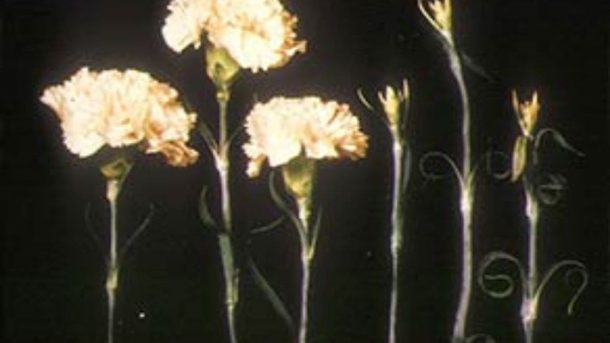
Boron deficiency symptoms on carnation show on the youngest foliage. Leaves are yellow and twisted, and the terminal bud sometimes is dead. Axillary shoot proliferation at upper nodes is common, resembling the witch’s broom effect caused by virus infections in other crops. Flower buds are abnormal and die before opening. The new foliage turns pale brown with a reddish-purple band and partial yellowing of the leaf base.

Which is the best time or month to plant potatoes?

plant potatoes

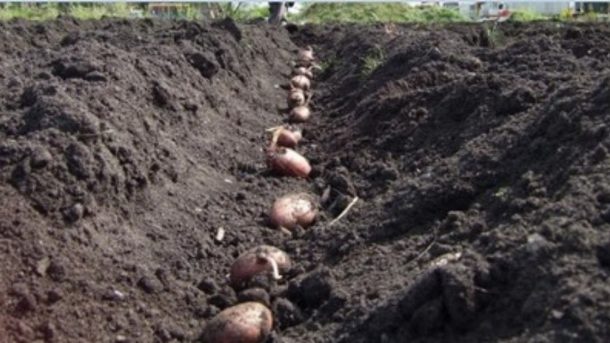
The best time to plant potatoes is during the early spring season. It is not advisable to plant potatoes during cool or frost conditions. The ideal time would be from late winter to late spring. Different regions in the country have different planting time such as Gujarat and Orissa, Potatoes are grown as rabi crop, whereas Potatoes in Deccan plateau is grown as both rabi and kharif crop.