climate

How are digital platforms transforming the agricultural market?

digital platforms

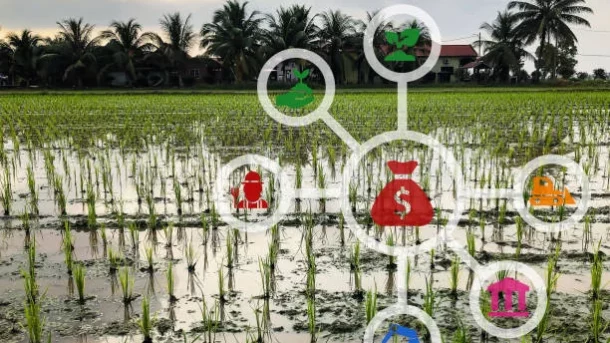
By utilizing technology to establish new and effective connections between farmers, agribusinesses, and consumers, digital platforms are transforming the agricultural sector. These platforms revolutionize several facets of the agricultural industry using data analytics, cloud computing, mobile applications, and the Internet of Things (IoT). Here are some examples of how the agriculture market is being significantly altered by internet platforms:

Market Access and Direct Sales: By allowing farmers to communicate directly with buyers, processors, and consumers, digital platforms eliminate the need for middlemen. Through online markets and e-commerce platforms, farmers may advertise their goods, set pricing, and organize sales.

Supply Chain Transparency: By providing real-time information on the place of origin, the method of production, and the distribution of agricultural products, digital platforms improve supply chain transparency. The ability of consumers to track their food’s progress from the farm to the table encourages food safety and accountability.

Data-Driven Decision Making: Digital systems gather and examine a huge quantity of information on agriculture, including weather patterns, soil characteristics, and market trends. With the help of this data-driven methodology, farmers and agribusinesses may decide wisely about crop management, resource allocation, and marketing tactics.

Precision Agriculture: By using IoT devices, drones, and sensors to precisely monitor crop, soil, and weather conditions, digital platforms support precision agriculture operations. Through optimization, resources are used more effectively, yields are raised, and environmental impact is diminished.
What are the emerging technologies disrupting the agricultural market?

technologies disrupting

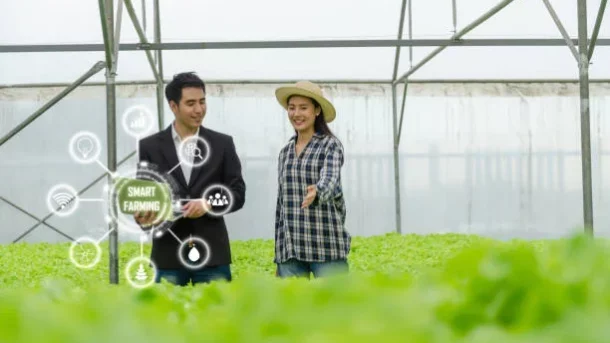
As technology develops, various new developments are upending the agricultural industry and transforming farming and agribusiness operations. These innovations are meant to increase agricultural productivity, sustainability, and effectiveness. The following are a few of the major new technologies disrupting the agriculture market:

Internet of Things (IoT): IoT devices and sensors are being used in agriculture to gather information on the health of crops, livestock behavior, weather patterns, and soil conditions. Real-time monitoring and data-driven decision-making are made possible by IoT, which optimizes resource consumption and boosts productivity.

Artificial intelligence (AI): Through data analytics, machine learning techniques, and predictive modeling, AI is revolutionizing the agricultural sector. Large datasets can be analyzed by AI to find patterns, forecast crop yields, plan planting times, and discover crop diseases.

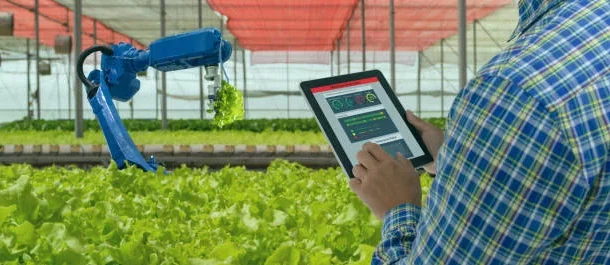
Automation and robotics in agriculture: Planting, harvesting, weeding, and spraying are just a few of the duties that agricultural robots are supposed to carry out. Automation lessens the demand for manual work, solves the manpower shortage, and improves farming operations’ precision.

Drones and UAVs: Drones with cameras and sensors are used to monitor crops, map them, and determine the health of the plants. They enable focused interventions and give farmers insightful information about the state of their land.

Utilizing blockchain technologies disrupting, supply networks in agriculture can be made transparent and traceable. It increases consumer trust and food safety by enabling them to confirm the place of origin and travel of agricultural products.

How are weather patterns and natural disasters affecting the agricultural market?

natural disasters

The agricultural market can be significantly impacted by weather patterns and natural disasters, which can change production, supply, prices, and market dynamics. The weather has a significant impact on agriculture, and severe weather can interrupt the entire supply chain. Following are some ways that weather and natural calamities affect the agricultural market:

Crop Production and Yields: Good weather conditions, such enough rain and moderate temperatures, can encourage strong crop growth and better yields. On the other hand, adverse weather conditions including droughts, floods, heat waves, and frost can harm crops and diminish yields, which could result in reduced output levels and higher prices.

Supply and Availability: Changes in agricultural supply may be caused by weather-related phenomena. Harvests that are plentiful during favorable weather conditions may lead to excess supply, which will push prices. On the other hand, crop failures brought on by weather might result in supply constraints and price volatility.

Extreme weather events can lead to price volatility in the agricultural market, particularly for products like grains, fruits, and vegetables that are very weather-sensitive.

Adverse weather conditions can have an impact on the quality of agricultural products, which can lower their marketability and value. For instance, significant rain during harvest may cause problems with grain quality, allowing it to be sold in lower-grade markets.

Livestock & Animal Health: natural disasters catastrophes can interfere with the management of livestock and jeopardize animal welfare. harsh cold, hurricanes, or flooding

How are supply and demand factors influencing agricultural prices?

supply and demand

Market-based agricultural pricing are heavily influenced by supply and demand variables. Market equilibrium and price levels are determined by the interaction between the quantity of agricultural commodities producers are willing to supply and the quantity of agricultural commodities consumers are willing to demand at various price levels. As an example of how supply and demand affect agricultural price:

Production Levels (Supply): Prices are directly influenced by the volume of agricultural products produced and supplied to the market. When production is high, the supply grows and prices decline. On the other hand, when output is low, the supply shrinks, pushing up prices.

Weather: Weather has a significant impact on agricultural production. Favorable weather conditions, such enough rain and mild temperatures, can increase agricultural yields, increase supply, and possibly cut costs. Unfavorable weather conditions, such as droughts, floods, or extremely high temperatures, can lower harvests and constrict supply, raising costs.

Changes in Input Costs: Farmers’ production costs can be impacted by the price of inputs such seeds, fertilizer, pesticides, labor, and gasoline. Increased input costs may cause supply to decline and prices to rise.

Technological innovations: By enhancing productivity and expanding supply, innovations in agriculture technology and methods may result in cheaper costs.

How does international trade affect the agricultural market?

international trade

The agricultural market is significantly shaped by international trade, which affects a number of factors including production, consumption, and prices. The fact that agricultural trade is international enables nations to focus on producing goods in which they have a comparative advantage, which improves productivity and the dynamics of the market as a whole. Here are some ways that the agriculture market is impacted by global trade:

Market Access and Diversification: Through international trade, producers can connect with consumers abroad and get access to a larger market. Opportunities for exporting provide for diversification and lessen reliance on the home market.

Agriculture commerce contributes to the balancing of world supply and demand. Countries with food shortages can import supplies to fill their requirements, while countries with surpluses can export their extra supply.

Price Stabilization: Countries can rely on imports to maintain food supplies and avoid price increases when domestic production is inadequate due to bad weather or other circumstances.

Agricultural producers are encouraged to increase their efficiency and competitiveness by international competition, which boosts the industry’s production and innovation.

Seasonal and geographic advantages: Because agricultural items may be produced year-round in countries with diverse temperatures and growth seasons, consumers can acquire fruits, vegetables, and other goods independent of local producing seasons.

What are the current trends in sustainable agriculture within the market?

sustainable agriculture

Sustainable agriculture has been gaining traction as a prominent trend within the agricultural business as of my most recent report in September 2021. Growing awareness of environmental issues, climate change, and the need for responsible resource management are what are driving the focus on sustainable practices. I don’t have access to current data, however the following are some significant trends in sustainable agriculture:

Regenerative Agriculture: Through techniques like cover crops, decreased tillage, crop rotation, and integrated livestock management, regenerative agriculture places an emphasis on restoring soil health and biodiversity. It seeks to increase carbon sequestration, water retention, and soil fertility.

Precision Agriculture: To maximize resource utilization, precision agriculture integrates technology, data analytics, and remote sensing. Farmers collect data and apply inputs more effectively by using GPS, sensors, and drones, which minimizes waste and has a positive influence on the environment.

Climate-Smart Agriculture: Climate-smart agricultural methods put an emphasis on adjusting to and minimizing the consequences of climate change. This entails choosing agricultural varieties that are resistant to climate change, employing water-saving measures, and applying climate-friendly animal management.

Organic farming: Consumer desire for food that is free of chemicals, environmentally friendly, and socially responsible is what is driving this movement.

Agroforestry and silvopasture: By combining trees and shrubs with crops or livestock, agroforestry can conserve the land while also preserving biodiversity and generating additional income.

What are the most significant challenges faced by farmers in the agricultural market?

farmers

Agricultural producers encounter a variety of difficulties that can seriously harm their lives and output. These difficulties can change depending on variables including geography, farm size, type of agriculture performed, and market conditions at the time. The following are some of the most important difficulties that farmers face:

Extreme weather events and climate change: Droughts, floods, heat waves, and storms are just a few of the unpredictable weather patterns that farmers must contend with. These occurrences may result in crop failure, lower yields, and higher production expenses.

Agricultural commodity prices can fluctuate on the market because of things like supply and demand mismatches, weather-related problems, and generalized economic situations. The revenue and profitability of farmers can be impacted by price changes.

Farmers frequently experience difficulty obtaining credit and financing at reasonable rates, which restricts their capacity to spend money on cutting-edge machinery, tools, and inputs.

Costs of inputs: Farmers may experience financial hardship due to rising prices for seeds, fertilizer, pesticides, and fuel, which may hinder their capacity to remain competitive in the market.

What role does technology play in the modern agricultural market?

modern agricultural market

The modern agricultural market is transformed by technology, which has completely changed how farming and agribusiness are performed. Agtech, or improvements in agricultural technology, has the potential to increase profitability, productivity, and sustainability in the industry. Here are a few crucial functions that technology has in the contemporary modern agricultural market:

Precision farming: To gather information on soil conditions, weather patterns, and crop health, precision farming uses technology like GPS, sensors, drones, and satellite photography. Farmers can optimize inputs like water, fertilizer, and pesticides thanks to this data-driven methodology, which leads to higher yields and less resource waste.

Internet of Things (IoT): IoT devices are being used more frequently in agriculture to monitor and manage a variety of operations, from animal health monitoring to irrigation and temperature control. Real-time data collecting is made possible by IoT, which improves productivity and decision-making.

Data analytics and artificial intelligence (AI): By processing enormous amounts of agricultural data, data analytics and AI technologies support farmers in making data-driven decisions. In order to forecast crop yields, spot disease outbreaks, optimize planting times, and better manage farm operations, machine learning algorithms may analyze data from numerous sources.

Automation and robotics in agriculture: Planting, harvesting, weeding, and pruning are just a few of the jobs that agricultural robots are made to do. Automation eliminates the need for human work, boosts productivity, and can help with the agricultural industry’s labor issue.

How does climate change affect the agricultural market?

climate change

The agricultural market is significantly impacted by climate change, which has an impact on many facets of agricultural production, distribution, and commerce. Changes in crop yields, commodities prices, and the world’s food supply may result from these effects. The agriculture market is impacted by climate change in the following ways:

Crop Yields and Productivity: As temperatures and precipitation patterns change due to climate change, severe weather events including droughts, floods, heat waves, and storms may become more often and intense. These harsh weather conditions may have a significant effect on crop production and yields, which would decrease the market’s supply of agricultural products.

Changes in Growing Seasons and Geographic Distribution: Changing climate conditions can change the best times for crops to grow and also affect which areas are suitable for agriculture. Farmers may need to adjust by switching to other crop kinds or altering planting and harvesting times.

Changes in precipitation patterns and rising temperatures may have an impact on the availability of water for irrigation. Water shortages can hinder agricultural output, resulting in lower crop yields and more expensive production.

Pests and diseases: Pests and diseases that damage crops and livestock might shift in their range and frequency as a result of climate change. There could be an increase in the usage of pesticides and veterinary medications due to the emergence of new or more aggressive diseases and pests, which could have an impact on production costs and product quality.

What is the current state of the global agricultural market?

global agricultural market

Since I’m an AI language model, I don’t have access to current information, so my understanding is based on knowledge as of September 2021. I am unable to provide information on the current situation of the global agricultural market in 2023 as a result.

I can, however, offer you a general summary of the trends and elements that frequently have an impact on the global agricultural market. A number of variables, such as weather patterns, geopolitical events, trade agreements, and general economic conditions, may cause actual market conditions to shift.

Agriculture supply and demand are in balance, and this has a significant impact on market prices. The level of demand for different agricultural products can be influenced by elements including crop yields, livestock production, and dietary changes.

Climate and weather: Unpredictable weather patterns, such as droughts, floods, and extremely high temperatures, have a substantial impact on crop productivity.

International Trade: The agriculture market is extremely dependent on international trade. Trade agreements, export and import regulations, and taxes all have an effect on how easily agricultural products move between nations.

Government Policies and Subsidies: Government interventions, such as subsidies, price supports, and rules pertaining to land use and agricultural practices, have an impact on agricultural markets.