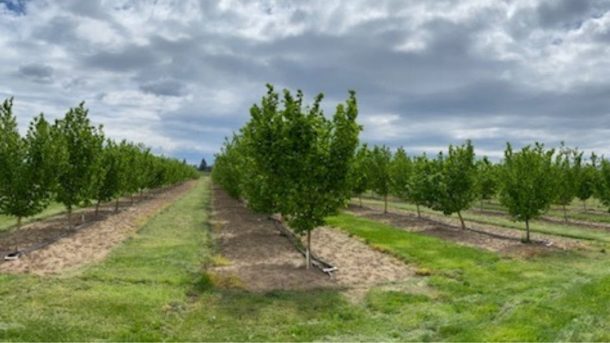
Irrigation is the best method to establish large trees rapidly and it uses countering excessive dry conditions for filling the stage for the production. In summer, 60 cm of the soil must dry on the other side deeper soil may not dry until the end of summer. Then, it fills the shell of the nut from December to February accordingly. So, irrigation is not necessary from the surface of the soil in summer. In cooler climates, irrigation is not necessary. In warmer climates with hot summers and long periods without rain, applying 30 litres of water per tree every 3-4 weeks without rain and mulching well is effective. Drip irrigation system produces bigger trees, more nuts sooner, fuller and heavier kernels. Drip irrigation is increasingly being adopted. Hazelnut trees must be irrigated every year during the periods of low rainfall.
ScientificFarmingWeb
Is Lomi Compost more sustainable than conventional fertilizer?
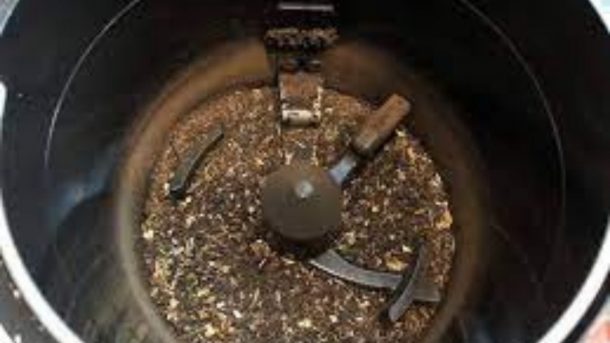
Making your own Lomi Compost is almost certainly more sustainable than buying conventional fertilizer for your plants. The production of synthetic fertilizers is an industrial process that usually involves feedstocks such as natural gas and mined minerals. These extraction and chemical plant processes tend to be energy-intensive. They also tend to occur in large centralized chemical plants, leading to long shipping distances after the nutrients have been isolated.
What is fasciation in strawberry?
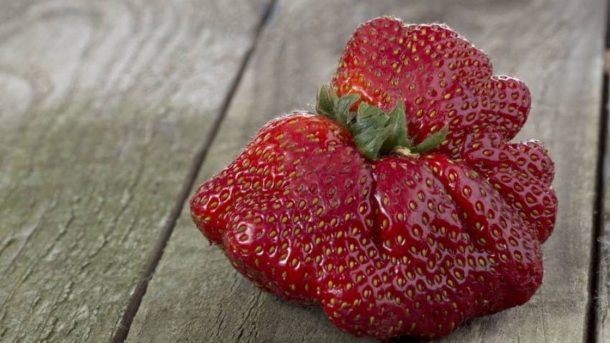
Fasciation is a major problem in strawberry cultivation, which is characterized by abnormal flattening of fruits and then stems. The fruit gets enlarged and plant gives witch’s broom appearance. There is little or no runner production Even the yield is greatly affected as such plants produce little marketable fruits. In severe cases the flower buds broadens and no fleshy fruit develops in the spring rendering the plants completely barren. If berries develop, they develop into a typical shape of cock’s comb.
What is albinism in strawberry?
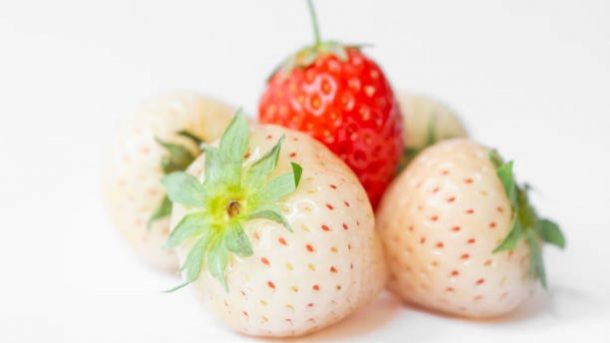
It is most serious disorder of strawberry in which fruits get blotted developing white to pink discolouration on the surface while the pulp gives pale colour. The affected fruits having poor flavour, more acidity and less firmness are not acceptable by the consumer. Albinos fruits an’ often damaged during harvesting and are susceptible to Botrytis infection and decay during storage. However, the fruits develop normal but they do not ripe uniformly. The fruits are little bit waxy in appearance and fetch poor price in the market. Such fruits are liable to severe damage during harvesting. In storage, fruits become susceptible to fruit rot.
Why internal breakdown occurs in Kiwi?
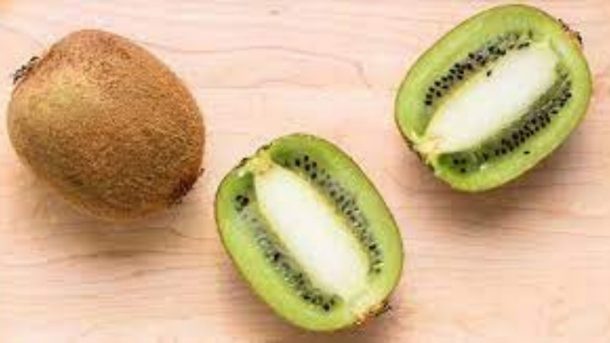
The internal breakdown of kiwi fruit is characterized by a slight discolouration at the blossom end of the fruit. This water soaking progresses around the blossom end and ultimately spreads to the whole fruit resulting in ”graininess” below the fruit surface, which begins in the area around the blossom end of the fruit.
Why water strain occurs in kiwi orchards?
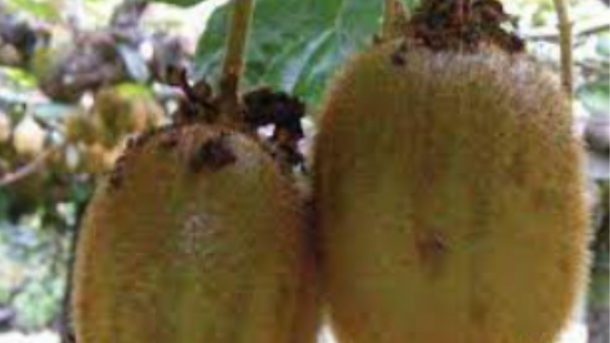
Water-stained kiwi fruits fetch poor price in the market causing economic loss of produce. It is characterized by distinct dark streaks or stains which occurs down the side of kiwi fruit due to deposition of tannins. This accumulation is a result of leaching of tannins from the dead fruit tissues due to rainfall. The malady can be controlled by removal of dead tissue from the plant canopy. The blemishes can be rectified by treatment with weak solution of citric acid.
Why kiwi becomes flat and how it can be managed?
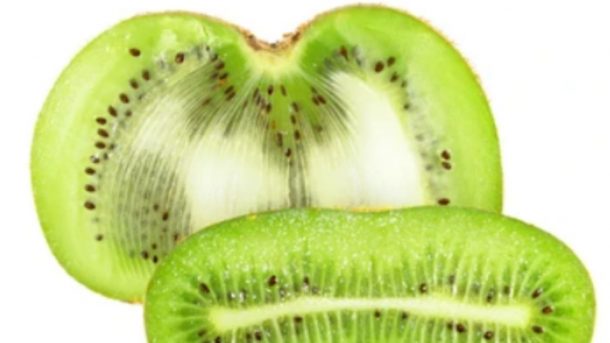
This disorder is named due to flattened shape of kiwi fruit. This distortion of fruit from its normal shape is due to the development of flattened fruits is quite common in Monty cultivar in India. The reason assigned to this malady is improper pollination. The proportion of flattened fruits in kiwi can be controlled by hand pollination or provision of suitable pollinizers like honeybees in the orchard.
Why sunscald occurs in Kiwi?
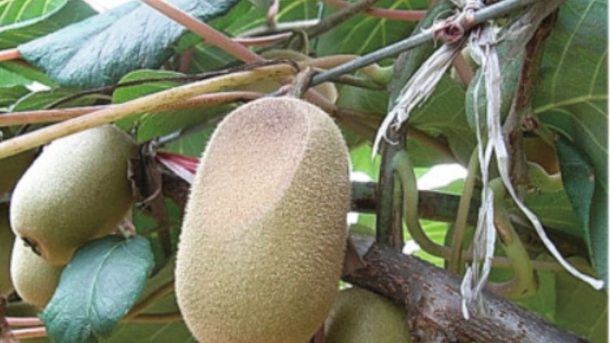
Sun scorch or sunscald is a physiological disorder in which fruits are affected due to direct exposure to sunrays and because of that, the fruit becomes insipid, unfit for human consumption and processing. The affected surface of the fruit develops typical brown, leathery and sunken scars. In summer, high temperature (> 35 °C) accompanied by high insulation and low humidity may cause scorching of leaves.
The damage from sunscald can be minimized by thatching the branches with paddy straw, dry grass or hay as this avoids the direct exposure of fruits to sunlight.
Why fruit drop occurs in mango?

Despite high fruit set initially, the ultimate retention is quite low in mango. The intensity of fruit drop, varies from variety to variety. Among the commercially grown varieties, Langra is more susceptible to drop while Dashehari is the least. The fruit drop is more or less a continuous process and can be classified into three groups: (i) Pinhead drop, (ii) post-setting drop and (iii) May-month drop.
Embryo abortion, climatic factors, disturbed water relation, lack of nutrition, disease, pest and hormonal imbalances are the major factors that lead to fruit drop.
What is black tip in mango and how it can be controlled?
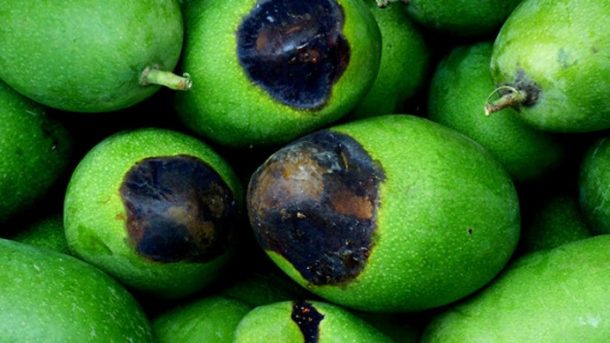
Black tip is a serious disorder of mango particularly in the cultivar Dashehari. The affected fruits become unmarketable and reduce the yield to a considerable extent. Black tip disorder has generally been detected in orchards located in the vicinity of brick kilns. It can be controlled by planting of mango orchards in North-South direction and 5 to 6 km away from the brick kilns may reduce incidence of black tip to a greater extent. Spraying borax (1%) or other alkaline solutions like caustic (0.8%) or washing soda (0.5%) is also effective. The first spray of borax should be done positively at pea stage followed by two more sprays at 15 days interval.