ScientificFarmingWeb

How phosphorous plays a crucial role for root development in castor crop?

root

It is essential for cell division and new tissue development. Also, phosphorus is associated with complex energy changes in the plant. Adding phosphorus to low in phosphorus available soil promotes root growth and winter hardiness, stimulates cultivation, and accelerates maturation. It is an essential nutrient for root development. They encourage plants to plant a dense supply of new roots and strengthen existing ones as they grow. It is necessary for root growth, seed and fruit growth, and early ripening.

Phosphorus deficiency delays plant growth, root growth, and flowering. The recommended phosphorus for rain Castor varies from 15 to 40 kg P205 / hectare depending on soil fertility and moisture retention status. The only superphosphate soluble in water is generally preferred for Castor. In addition to phosphorus, this fertilizer also provides sulfur and calcium. The basal feed of N with whole phosphorus should be applied at the time of sowing, and the method of application is placement.
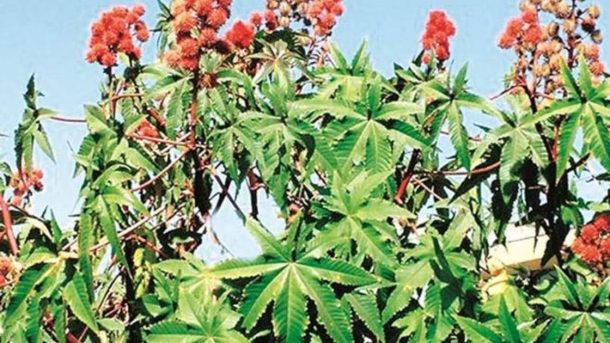
How Nitrogen plays a crucial role in castor crop?

Nitrogen

A proper supply of nitrogen is essential for optimal leaf growth, promotes branching, seed set, and filling, Deficiency will result in poor growth, light green plants, poor branching, or poor seed arrangement, Nitrogen recommendations vary by region and cultivation system. Since Castor is grown in the country as both rainfed and irrigated crops, the response of applied N varies in rainfed and irrigated conditions. The response in rainfed farming areas varies with rainfall and distribution. Topdressing with an additional 20 kg N/ hectare in 35-40 and 65-70 days after sowing gives an excellent economic response after using 20 kg N / hectare as basal feed for rain-fed Castor. In addition to the basic dose of 40 kg N/hectare, irrigated Castor for more than 180 days requires additional N by 20 kg/hectare at each successive picking starting from 90 days or harvest the first order spike, i.e., at intervals of 30 days. Avoid higher N levels than recommended as this can result in excessive plant growth and weakening of the root system. For both rainfed and irrigated crops, nitrogen fertilizer should be applied in continuous bands at 5-6 cm/depth and a distance of 5-7 cm from the crop row.

What are the Symptoms of Potassium deficiency in nutmeg and how it can be managed?

Potassium

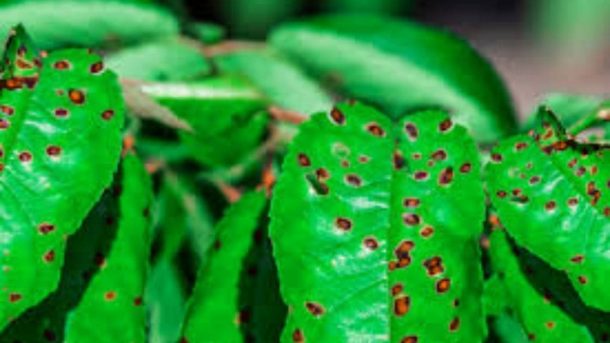
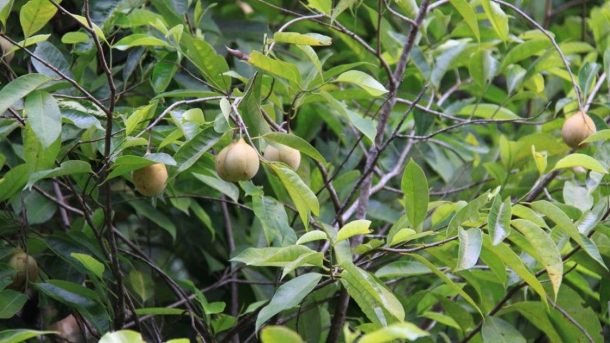
Potassium is a highly active element in plants. Therefore, deficiency symptoms will first appear in the old and lower leaves. Symptoms begin as white, yellow, or orange chlorotic spots or stripes on older leaves, beginning with leaf tips and margins. In some cases, irregularly distributed chlorotic spots appear, but in all cases, the symptoms begin at the tip of the leaf. The base of the leaf is dark green color. It is followed by the browning of the leaf margins and necrosis.

The maximum availability of potassium is above soil pH 6.0. So, correct the pH of the soil by adding lime/dolomite to the acidic soil. Add organic matter and wood ash to the soil. Apply organic fertilizer containing potash activating bacteria to remove irreplaceable potassium from the soil. Check that the recommended amount of potash fertilizer is applied on time. Go for soil analysis and understand the extent of depletion. Then, apply Muriate of Potash (MOP) as per soil test report. A split application is more beneficial. As an immediate solution, apply sulfate of potash (SOP) with foliar spray (10 grams per liter of water) in the morning with moisturizing agents.

What are the Symptoms of Phosphorus Deficiency in nutmeg and how it can be managed?

Symptoms

Phosphorus is very much needed for root development. In poor conditions, root development will be affected. It results in a lack of essential nutrients. Symptoms of deficiency will first appear in the old and lower leaves. Older leaves will have brown spots.

Phosphorus is best absorbed from roots in the pH range of 6.5-7.5. So, adjust the pH in acidic soil by adding lime/dolomite. Add biofertilizer’s containing phosphorus-soluble bacteria to organic manure to increase phosphorus availability. Check that the recommended amount of fertilizer is applied on time. Excess iron and zinc can also cause phosphorus deficiency symptoms. Go for soil analysis and understand the extent of depletion. According to the soil test reports, apply single superphosphate for immediate accuracy or bone meal or rock phosphate for long term accuracy.

How Organic fertilizers plays a significant role in Nutmeg production?

Organic

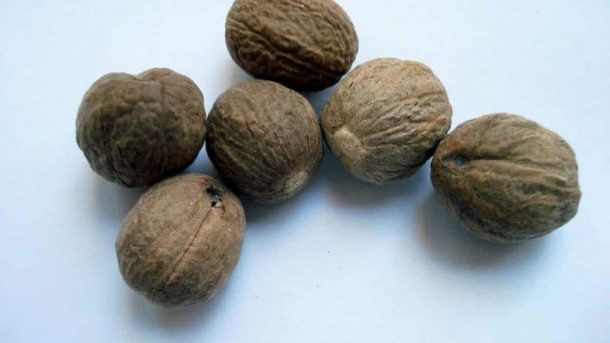
Nutmeg requires heavy fertilizer for proper growth and production. FYM (Farmyard manure) or compost can be applied at the rate of 10 kg per plant during the first year of planting. The fertilizer application quantity should be increased every year so that a Nutmeg tree about 15 years of age or older can get 50 kg of organic manure. Reduces the incidence of soil-borne diseases and improves the availability of phosphorus and other nutrients.

What is the best laying hen?

hen

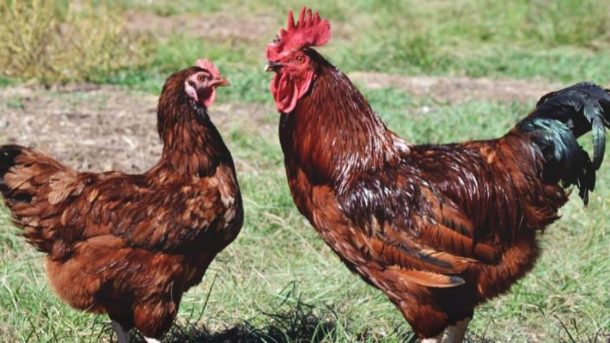
The Rhode Island Red is the best laying type hen of American origin. It is known to serve dual purpose i.e. for both eggs and meat. These hens are popular backyard breeds which are tough and lay number of eggs. The average number of eggs lay in one year is 250.

What is the purpose of having a greenhouse?

greenhouse

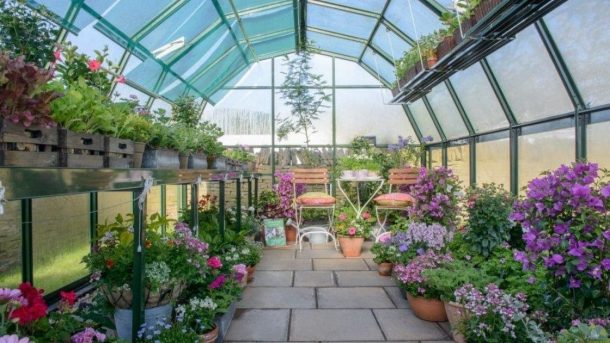
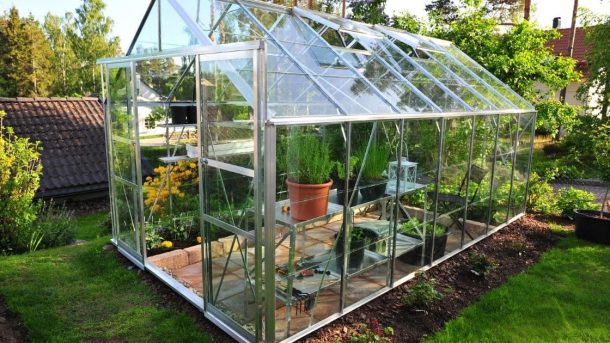
In India, farming is highly dependent on the climatic conditions and this is the biggest challenge to every farmer. Most of the farming in India is based on the traditional ways and this is the reason why India imports many fruits and vegetables from other countries to address the food security problem. Modern techniques like greenhouse farming can improve the production and quality because the system depends less on external environmental conditions and has many more advantages over the traditional farming methods. With a good produce the income of the farmer is also expected to increase thereby making him economically stable.

What is the best greenhouse covering?

greenhouse covering

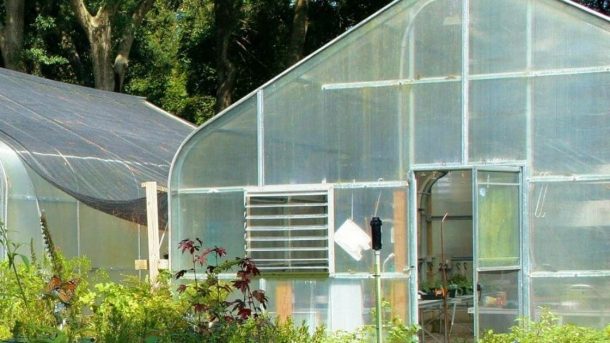
The material used for covering the greenhouse effect the performance and productivity of the structure. Covering materials greatly impact the quality and quantity of light entering the greenhouse. The best materials for greenhouse covering are Glass, Plastic sheeting (polymethyl methacrylate, fiber glass and polycarbonate) and Plastic films (polythene, ethyl vinyl acetate, poly vinyl chloride).

Which materials can be used for constructing a poultry house?

poultry house

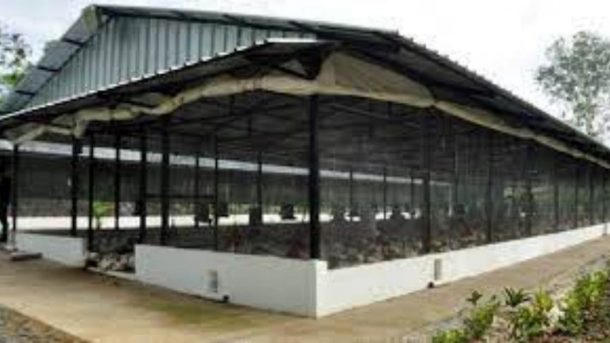
The floor of the poultry house should be made of concrete. The roof of the poultry house can be made of concrete, asbestos, tiles, thatched roof etc. Apart from all these iron sheets, grass, palm leaves can be used to cover the roof. The walls can be erected using bricks, sand blocks, iron sheets, wood and mud. Care should be taken such that there are no cracks in the floor of walls otherwise there would be a risk of parasitic infestation.