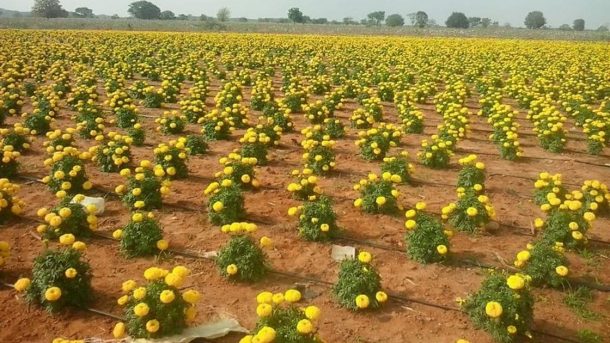
As this crop requires constant moisture in the soil from bud formation to harvesting of flowers, Irrigation should be given once in a week or as and when needed. Irrigation should be given immediately after planting in the field and life irrigation is recommended on 3rd or 4th day after planting. This crop is sensitive to waterlogging. Hence this should be avoided and should maintain well internal drainage especially in rainy season.
ScientificFarmingWeb
What are the Manures and Fertilizers applied in Marigold Farming?
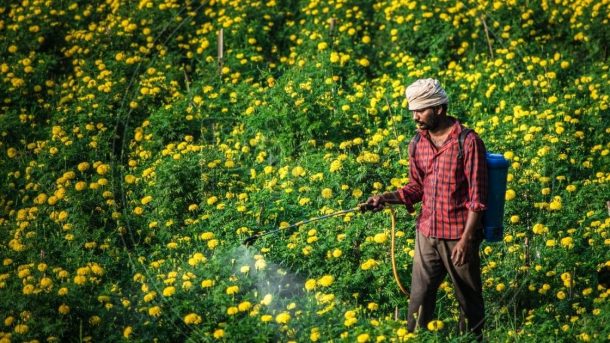
This depends on the fertility of the soil. In case of nutrient deficiencies in soils, during the last ploughing, add 25 tons of Farm Yard Manure (F.M.Y) per hectare at the time of land preparation. Apply these inorganic fertilizers Nitrogen = 25 to 30 Kg/ha, Phosphorus = 25 to 30 kg/ha, Potash = 25 to 30 kg/ha.
Which Soil is suitable for Marigold Farming and how land preparation is done?

This flower grows on a wide range of soils. However, fertile sandy loam soils with good internal drainage are the best suitable for marigold cultivation. Acidic and Saline soils is not suitable and the soil pH range should be 6.5 to 7.5. Plough the field with tractor or desi country plough till fine tilth of the soil is achieved.
How Seed Sowing and Transplantation is done in Marigold Farming?
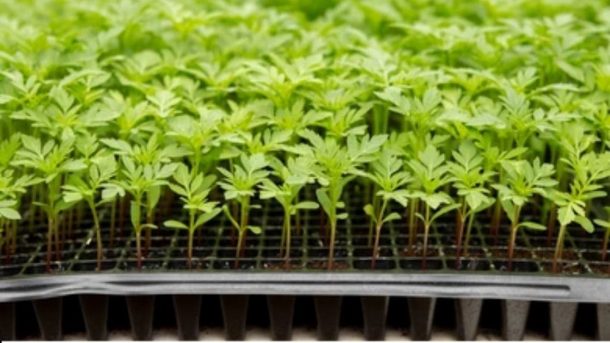
Before sowing, seeds should be treated with “Azospirillum” of 200 grams in 50 ml of rice gruel. Seeds are sown all-around the year and for raising seedlings, seeds should be broadcasted on the raised bed during May – June months. These sowed beds should be watered frequently, after 1 month of sowing or when the plant reaches about 15 cm height, these can be transplanted in the main field on one side of the ridge at 45 cm x 35 cm spacing.
What is the Climatic Requirement for Marigold Farming?
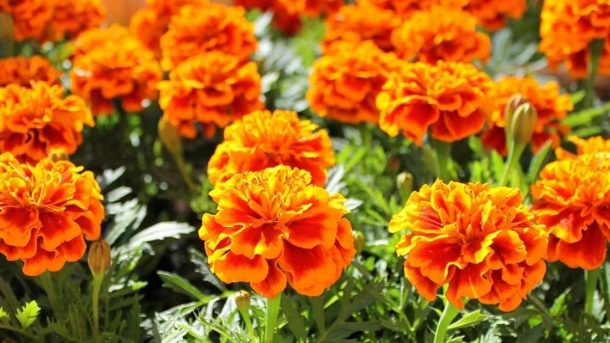
Marigold flowers thrive best in hot and dry as well as humid weather conditions. They grow best throughout the year under both tropical and subtropical conditions but require mild climatic conditions for best growth and flowering. The ideal temperature for optimal growth is 15°C – 29°C. Very hot climate may impact the flowering growth.
What are the other local varieties of marigold?
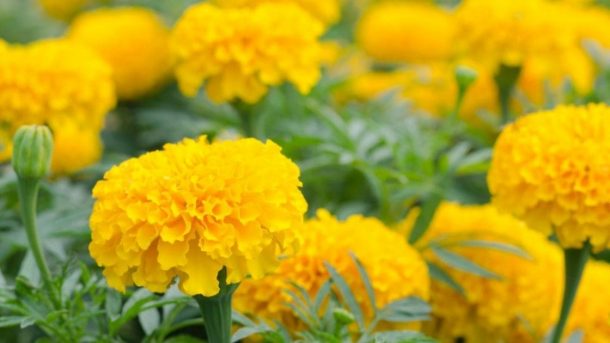
The other Local Varieties are Local types (yellow & orange), MDU 1 & Pusa Narangi Gainda, and Pusa Basanthi Gainda (IARI varieties).
What are the French Marigold Hybrid varieties?
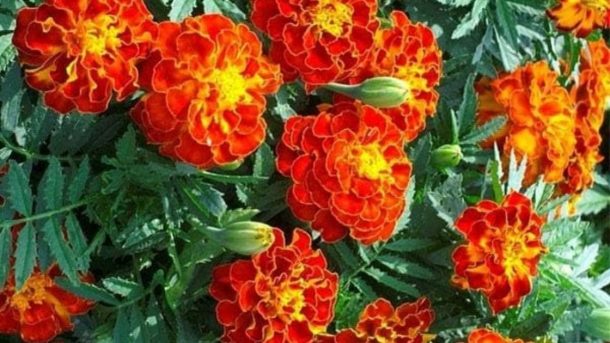
The commercial French Marigold Hybrid Varieties are Petit spray, Harmony, Gypsy, Lemon drops, Rusty red, Star of India, Red Bokardo, and Flash.
What are the African Marigold Hybrid Varieties?
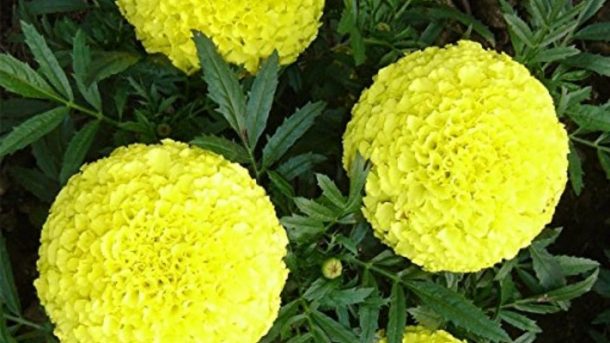
The commercial African marigold hybrid varieties are New Alaska, Aapricot, Glitters, Happiness, Primrose, Fiesta, Cracker jack, Climax, Yellow supreme, and Hawai.
What are the Main Varieties of Marigold?

There are two main varieties of Marigold based on their size and characteristics. They are French marigold Flowers: These plants are short and their flowers are small in size and African marigold Flowers: These plants are tall and their flowers are bigger in size.
How Potassium plays a crucial role in castor crop?
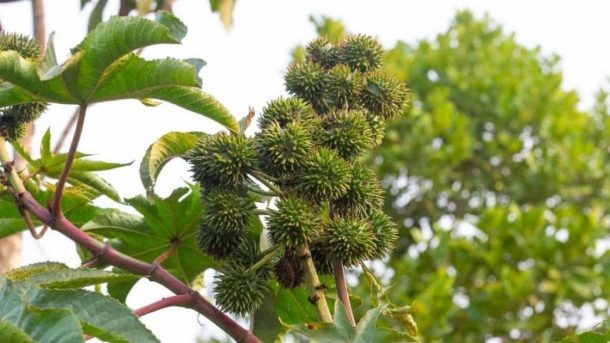
It plays a crucial role in activating numerous enzymes that produce and transfer photosynthesis to storage organs and provide resistance to pests, diseases, and environmental stressors. It also helps in increasing the quality of the crop. The most widely used source of potassium is Muriate of Potash, as it is soluble in water and less expensive.
The recommended doses of potassium for both rain and irrigation are 20 and 40 kg K20 /hectare, respectively. In the case of rain-fed Castor beans, whole potash should be added to the basil. In the case of irrigation of Castor, half of the potassium is basal and the other half as top dressing with nitrogen.