
Shearing is the complete removal of the wool and is carried out using machine or hand shears. The valuable wool can then be used for clothing, carpets etc. Make sure that the wool is kept clean by not using too much marker paints on the animal and if it is your custom to wash your animal (Sheep) before shearing make sure that you wash them three or four days before shearing. After shearing keep the sacks of wool in a dry place on plastic sheets to stop them getting damp. If the animal is cut during shearing, treat all wounds immediately with tincture of iodine or gentian violet. If you have the means to dip your sheep, do it immediately after shearing.
ScientificFarmingWeb
What is Dagging in Sheep?
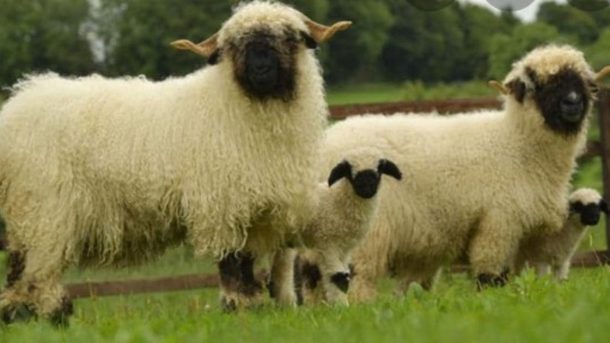
Dagging or crutching is the cutting away of dirty, wet wool from around the tail and anus (crutch) of the sheep. The wet, dirty wool attracts flies especially the blow flies (bright green or blue in color). The flies lay their eggs on the wool and in one- or two-days’ maggots hatch from them. The maggots burrow into the skin and feed on the flesh of the sheep. The animal will be smelly, nervous, stamping its feet and wriggling its tail. Maggots must be removed from an infected sheep. Part the wool and look for the small holes where the maggots have entered the skin. Press all-round the hole with your fingers and the maggots will come out.
Dagging in sheep involves trimming soiled wool near the hindquarters, preventing maggots of different sizes from emerging. Clean the wound with tincture of iodine or gentian violet.
What are the Challenges of using robotics in horticulture?
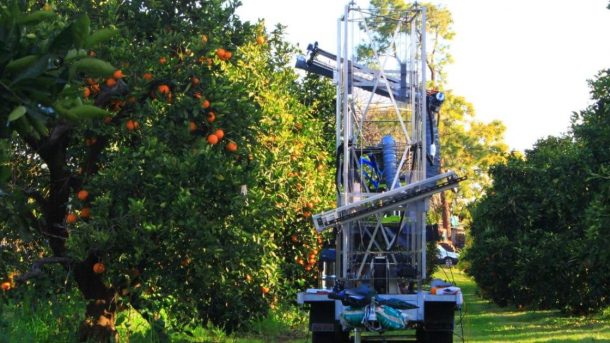
Designers of robots for fields and orchards face a daunting task. Robots have to ‘see’ the paths between the produce and they need to ‘know’ which areas have already been harvested. They need eyes to see the trunk of a tree and to separately identify fruit, flowers and leaves. Their arms need to be able to pluck, prune, spray and pollinate. They have to be strong enough to handle rough terrain, sloping ground and mud. They must also be able to handle fragile fruits and berries which bruise easily. After avoiding all the people, poles, wires, stumps and rocks, robots need to be able to work near other robots without getting in their way. Their economic use poses a number of problems. Some horticultural tasks such as fruit picking last for only a few months of the year. It simply is not profitable to use a robot for such a short period. Robots may have to be multifunctional and be able to pick, count buds, prune, and pollinate to ensure a reasonable return on their cost.
How Weeding Management is done through Robotics?
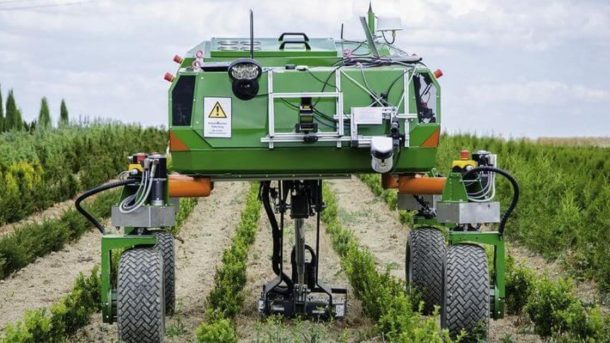
To describe the position of the weeding more precisely, there are two different methods to do it. The first method is to record the increased leaf area in the weedy areas. The difference between crop and weed is that weed grows patchy while crop grows in rows. The other method is more accurate and uses shape recognition. This method recognizes the weed species on their outline shape and up to 19 different species can be recognized by this method. The recorded data is turned into a treatment map for the field. This weed map can be used for the weeding. The weed can also be removed while the robot is recognizing the unwanted plants.
What is Grafting robots?
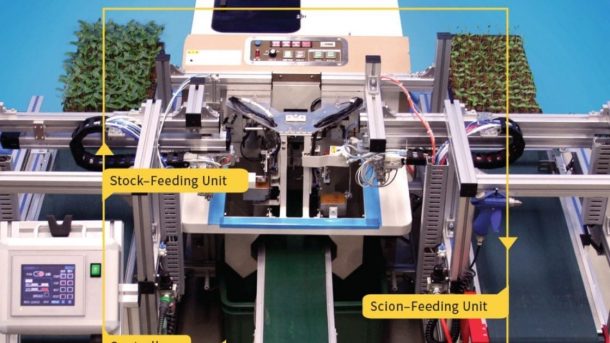
The first commercial model of a grafting robot (GR800 series, Iseki & Co. Ltd., Matsuyama, Japan) became available for cucurbits back in 1993. Since then, semi- or fully-automated grafting robots were invented by several agricultural machine industries and several commercial models are available in East Asia, Europe, and more recently in the U.S. Semi-automated grafting robots generally graft at a speed of 600-800 grafts per hour (speed equivalent of 5-6 skilled workers for cucurbit, and 2-3 skilled workers for tomato), but require a minimum of two workers and one trained worker to inspect the grafting quality.
How Robotics is used in Vegetable Grafting?
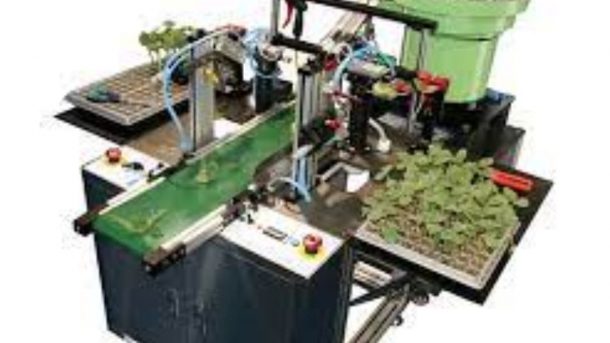
Vegetable production with grafted seedlings was originated in Japan and Korea to avoid the serious crop loss caused by infection of soil-borne diseases aggravated by successive cropping. This practice is now rapidly spreading and expanding over the world. Vegetable grafting has been safely adapted for the production of organic as well as environmentally friendly produce and minimizes uptake of undesirable agrochemical residues. The number and size of commercial vegetable seedling producers has increased markedly reflecting the increase in farmers’ preferences for grafted seedlings of high-quality and better performance.
How Robots are used for Transplanting ?

Seedling Transplanting, which is a labour-intensive task, is still performed manually. In a greenhouse production system, seeds are germinated in the high-density trays. At a certain growth stage, the seedlings are transplanted into low-density growing trays for further growth and development. During transplantation, seedlings are handled many times to replace bad or missing plants with healthy ones. Using a robotic transplanter could reduce the labour requirement of seedling transplantation by carrying out repetitive tasks in an accurate and reliable manner. The robotic transplanter needs to be designed differently from an industrial robot because it manipulates biological seedlings of variable size, shape, colour, position and orientation.
How Robots are used for seed sowing in nursery?
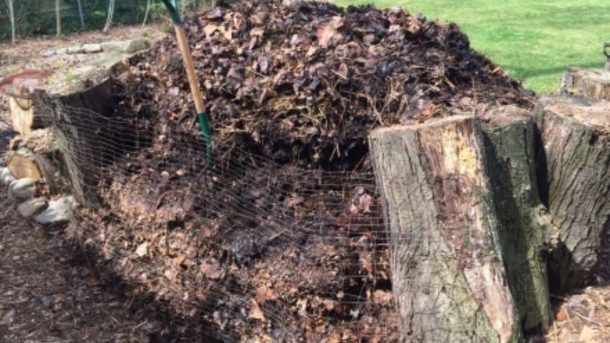
A major portion of the area under vegetable cultivation is now sown with F1 hybrid seed, which are costly but give higher yields and quality produce. In view of the high cost of seeds, it is necessary to achieve maximum germination and disease-free seedlings for transplanting in open fields. The raising of seedlings in plug trays (or pro-trays) is one such technology that achieves this requirement. This technology is fast emerging as an agro enterprise in India since it has obvious advantages for both the grower and the entrepreneur.
A precision plug tray seeder, using indigenous materials and off-the-shelf available standard components is designed at IARI. The seeder could make indents in one row of cells in a plug tray and simultaneously place single seeds in the indented cells. The seeder worked satisfactorily at suction pressures of 4.91 and 3.92 kPa and nozzle diameters of 0.46 and 0.49mm to achieve more than 90% single seed sowing in the case of capsicum and tomato, respectively. The capacity of seeder, depending on the tray size used, ranged 38,000 to 60,000 cells/h.
What are the structural materials used for constructing Shade house?

A shade house structure composed of two basic components i.e., frame and cladding material. The shade house frame provides support for cladding material and designed to protect against wind, rain and crop load. The shade house mild steel (ms) angle frame lasts up to 20 to 25 years, if anti rust treatment is done at regular interval, whereas bamboo structure can last up to 3 years. The agro shade net lasts for 3 to 5 years depending on the climatic condition. Shade nets are available in different colours with wide range of shade percentages viz. 25%, 30%, 35%, 50%, 60%, 75% and 90%.
The design of shade house’s frames depends on the need and engineering skill. Structural frames of Quonset, gable or gothic arch shape or with minor modification suitable to local condition are recommended in high rainfall areas like Orissa.
What is the Orientation of Shade house?
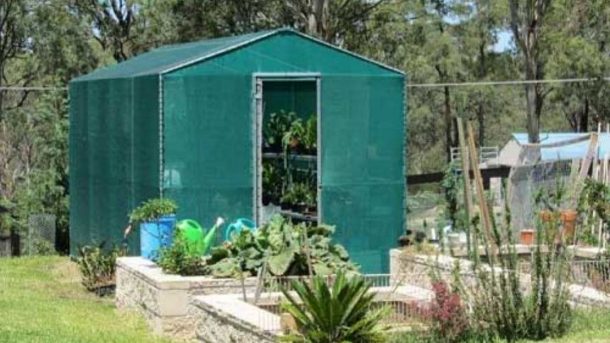
There are mainly two criteria for shade house orientation. They are the uniformity of light intensity in the shade house and wind direction. Single span structure may be oriented either in east-west or north-south direction but multi span structure should be oriented in north-south direction to ensure uniform light intensity.