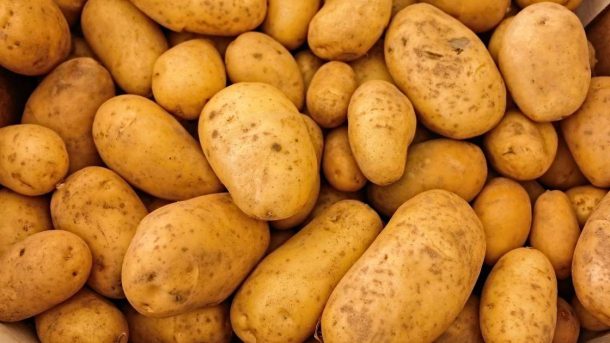
Earthing up should be done to maintain proper aeration, proper soil temperature and moisture in soil for good growth of crop and proper development of tubers. After that provide 12:61:00 @ 3 kg per acre through drip. One of the most important aspects of cultivating potatoes is to avoid exposing their tubers (i.e., the potato crop) to too much sunlight. Exposed tubers turn green and release solanine, a poisonous chemical that renders them bitter, inedible, and possibly nausea-inducing.
Scientific Farming
How onion fly causes damage in onion?
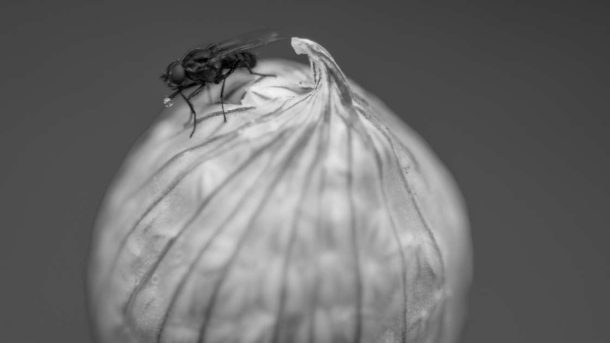
Larvae of a white colour enter the bulb and feed inside. Plants grow weak and yellow as a result of this. This pest persists in the bulb as well. As a result of the damage, onion bulbs in storage go rotting. The infested bulbs gives out an unpleasant odour. As a result, the infestation begins in the field and continues in the storage.
How pea moth larvae causes damage in pea ?
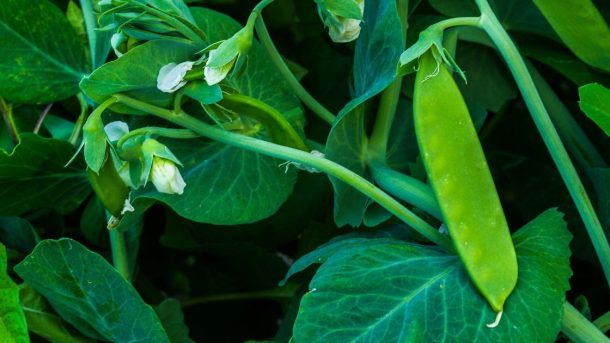
The larvae hatch from the eggs laid on the leaves and blossoms, then they enter the developing pea pod to feed the seeds. Infested pods turn yellow and ripen too soon. In certain pods, more than one larva can be seen. In early sown pea crops, the infection of these larvae may be minimal. Spray malathion 50 EC @ 10 ml or Bouveria bassiana, a fungus-based biopesticide @ 40 g per 10 lit of water if the infestation is severe.
Which crops can be used as trap crops?
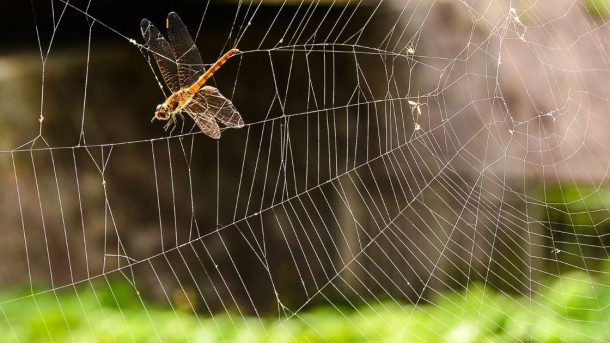
Plant marigold flowers every ten rows in cotton and tomato fields; the bollworm/fruit borer prefers to lay eggs on marigold flowers over primary crops. To reduce the infestation of leaf-eating caterpillars in cotton, groundnut, and tobacco-like crops, plant castor as a trap crop in and around the field. In and around the tomato field, grow marigold as a leaf miner trap crop. Grow tomato plants as a citrus leaf miner trap crop to control the insect. Napier grass is thought to be a fall armyworm trap crop, which is damaging to maize harvests.
How dusky cotton bug causes damage in cotton ?

Cotton seed sap is sucked by both nymphs and adults. Damaged seeds lose weight and grow slower. This pest causes significant economic harm to the cotton crop used for seed production. Furthermore, infestation obstructs ginning and lowers cotton quality. This insect’s attack was discovered in all cotton-growing areas. Because the insect is also discovered in tied cotton bales, it has an impact on sales and exports.
Why cotton is mostly sold soon after harvest ?
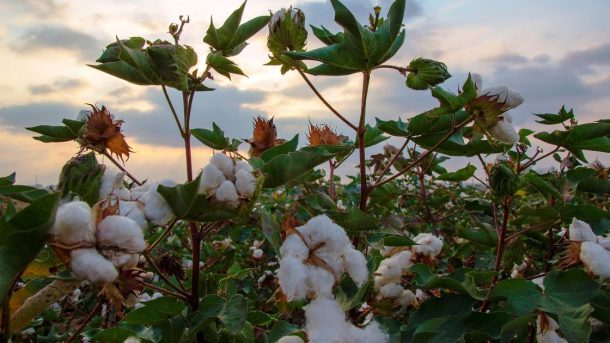
Storing cotton bolls encourages the growth of pink bollworm. Pink bollworm larvae will be found in newly harvested cotton, and developing moths will most likely return to the cotton field. As a result, if there is a decent price, it is smart to sell straight in the market. If a quick sale isn’t possible, keep the cotton in the house and close the doors and windows. Set up a single pheromone trap in the storeroom to catch any developing moths.
Why pandol system is used for growing cucurbits ?
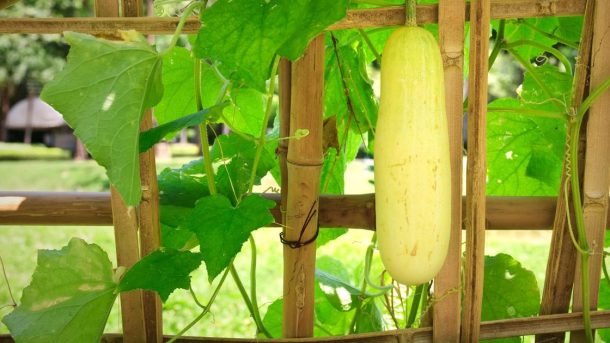
When vine of the cucurbit family vegetable is supported, it grows well. The vines remain good from 6 to 7 months. If on the ground, they remain good only for 3 months. Leaves and fruits do not come into contact with the soil. Because there is adequate ventilation, the risk of rot, pests, and infections is reduced. Proper spraying can be done. The cucurbit family of vegetable crops grow well, and the colour and quality of the fruits are preserved; picking and hand weeding of the crop is also simple.
What is soil electrical conductivity(EC)?
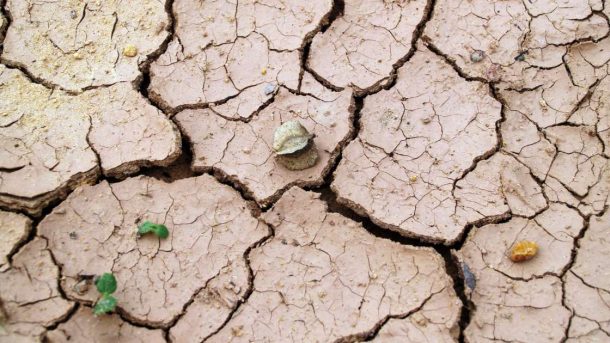
Soil electrical conductivity (EC) is a metric for how much salt is in the soil (salinity). It’s a good indicator of nutrient availability and loss, as well as soil texture and water capacity. It has an impact on crop yields, soil suitability for certain crops, the amount of water and nutrients available for plant use, and the activity of soil microorganisms, all of which influence essential soil processes including greenhouse gas emissions, such as nitrogen oxides, methane, and carbon dioxide.
How wind erosion management is done in farms ?
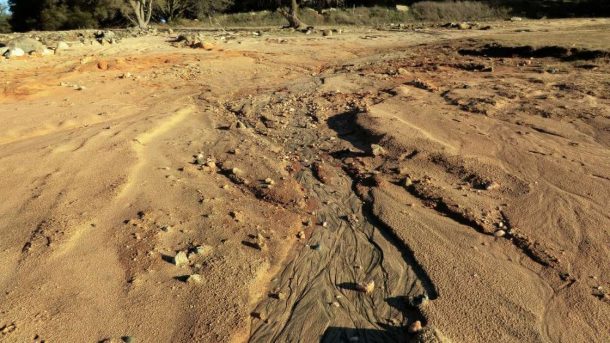
Soil surface is protected from wind erosion with a cover of vegetation or vegetative residues. Wind erosion can be managed by producing or bringing to the surface soil aggregates or clods which are large enough to resist the wind force. Wind velocity is reduced by roughening the soil and drifting soils are trapped. Establishing barriers or trap strips at intervals helps in reducing wind velocity and soil drifting.
What are the symptoms of molybdenum deficiency ?
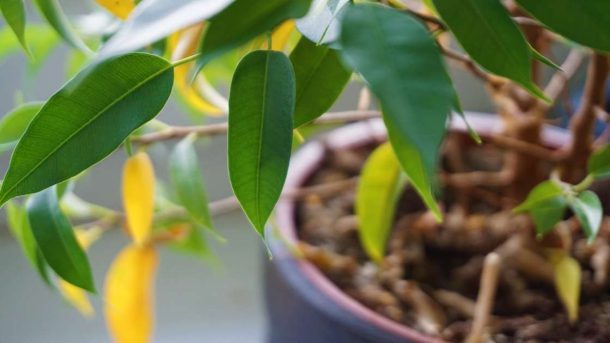
Molybdenum deficiency include chlorotic interveinal mottling of the lower leaves, followed by marginal necrosis and in
folding of the leaves. In cauliflower, the leaf tissues wither leaving only the midrib and a few small pieces of leaf blade(“whiptail”).
Molybdenum deficiency is markedly evident in leguminous plants. Without sufficient molybdenum plants accumulate nitrate in their leaves, but cannot use it to make proteins for normal growth. The plant becomes stunted and the leaves show symptoms of nitrogen deficiency, appearing pale green or yellowish green in colour between the veins .