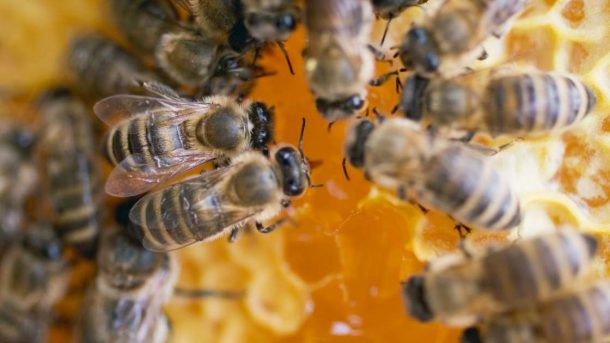
Most honey hunters cut down the entire combs after burning the bees out, destroying all the brood and food supplies. While hunting honey, a significant number of young bees, hundreds of adult bees, and occasionally even a queen and drones are killed. Watching the bees come and go from the hive can convey important clues about the colony.
Scientific Farming
How to get good response to biofertilizers?

Biofertilizer product must contain good effective strain in appropriate population and should be free from contaminating microorganisms. Select right combination of biofertilizers and use before expiry date. Use suggested method of application and apply at appropriate time as per the information provided on the label. For seed treatment adequate adhesive should be used for better results. For problematic soils use corrective methods like lime or gypsum pelleting of seeds or correction of soil pH by use of lime.
How to properly use a biofertilizer ?
Biofertilizer packets need to be stored in cool and dry place away from direct sunlight and heat. Right combinations of biofertilizers have to be used. As Rhizobium is crop specific, one should use for the specified crop only. Other chemicals should not be mixed with the biofertilizers. Biofertilizers are live product and require care in the storage. Both nitrogenous and phosphatic biofertilizers are to be used to get the best results.
What are the advantages of sprinkler irrigation system ?
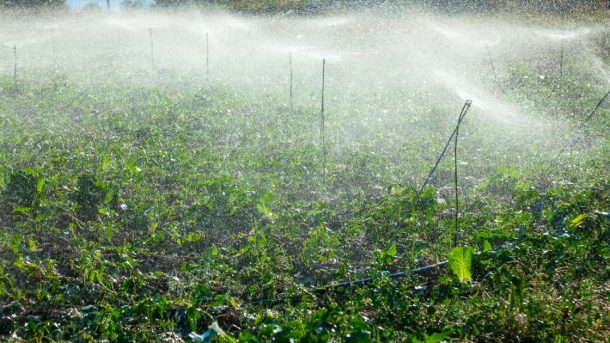
Sprinkler irrigation system helps in reducing conveyance loss, and helps in saving water up to 30% – 50 %. It is suitable in all types of soil except heavy clay. It helps in increasing yield, and reduces soil compaction. Provides frost protection , helps in alteration of micro climate and reduces labour cost. Suitable for irrigation where the plant population per unit area is very high.
What is sprinkler irrigation system ?
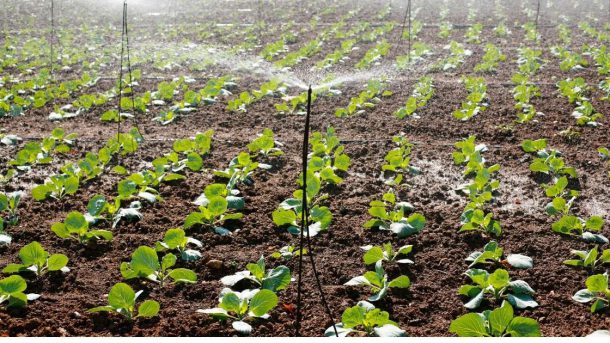
Sprinkler irrigation system allows application of water under high pressure with the help of a pump. It releases water similar to rainfall through a small diameter nozzle placed in the pipes. Water is distributed through a system of pipes, sprayed into air and irrigates in most of the soil type due to wide range of discharge capacity.
What is NADRES ?
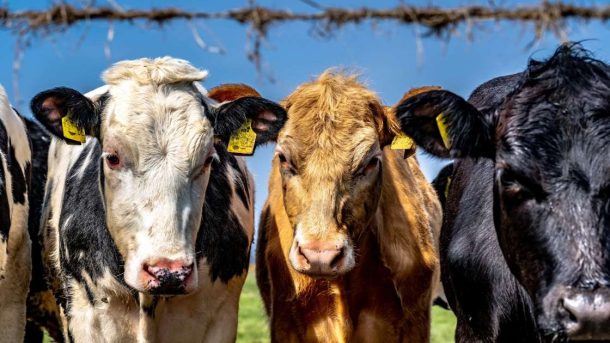
For the benefit of farmers and policymakers in the Animal Husbandry Department, an online animal disease forewarning system has been established with the overarching goal of improving the country’s early warning and response capacity to animal disease risks called National Animal Disease Referral Expert System (NADRES).
What is plant tissue culture ?
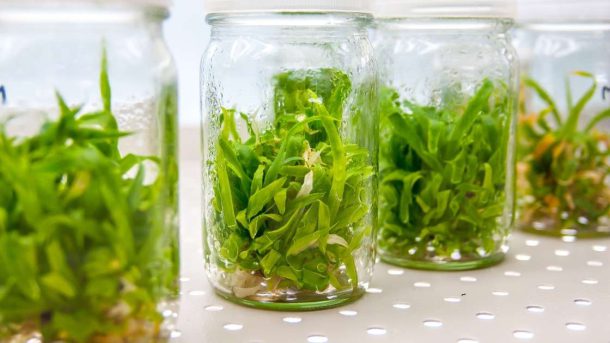
The growing of plant cells, tissues, or organs on specially formulated nutritional media is known as tissue culture (TC). A single cell may regenerate an entire plant under the appropriate conditions. Plant tissue culture is a method that has been used for over 30 years. Tissue culture is regarded as a critical technology for developing countries in the creation of disease-free, high-quality planting material as well as the rapid manufacture of large numbers of homogeneous plants.
What are rabi crops ?
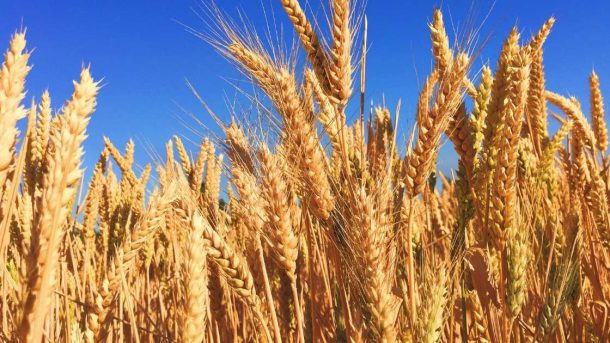
Rabi crops, also known as rabi harvest, are winter-sown and spring-harvested agricultural crops in India, Pakistan, and Bangladesh. The kharif crop, which is planted after the rabi are harvested one after the other, is the opposite of the rabi crop.
Rabi crops are planted in mid-November, ideally after the monsoon rains have passed, and harvested in April/May. Rainwater that has percolated into the ground or irrigation are used to cultivate the crops. Winter rains wreak havoc on rabi crops but are beneficial to kharif crops. Wheat is India’s most important rabi crop, followed by barley, mustard, sesame, and peas.
What are kharif crops ?

Kharif crops, also known as monsoon crops or autumn crops, are domesticated plants grown and harvested in India, Pakistan, and Bangladesh during the monsoon season, which lasts from June to November depending on the region.
In some parts of the Indian subcontinent, monsoon rains can start as early as May, and crops are harvested between the third and fourth weeks of September and October. Rice, maize, and cotton are among of India’s most important Kharif crops. The Rabi crop, which is planted in the winter, is the polar opposite of the Kharif crop.
What is GIS-Based Agriculture?
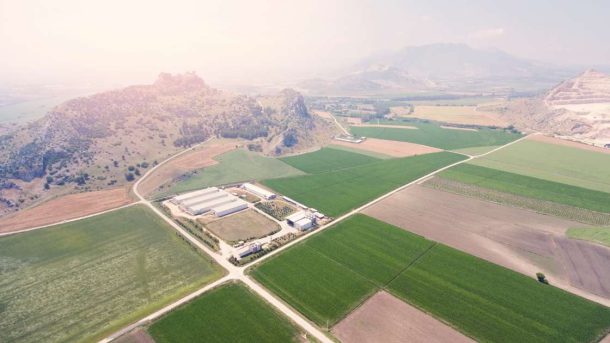
Because fields are based on location, GIS software becomes a very important tool for precision farming. Farmers can use GIS software to map current and prospective changes in precipitation, temperature, crop yields, plant health, and other variables. It also allows farmers to use GPS-based treatments in conjunction with smart machinery to optimise fertiliser and pesticide application; because they don’t have to treat the entire field but simply treat certain regions, they can save money, effort, and time.