POSTEDITOR OFFICE

How does gene editing offer new opportunities for crop improvement?

crop improvement

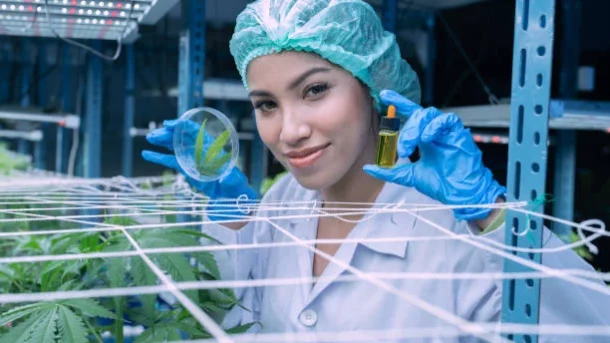
By permitting precise and targeted alterations of particular genes, gene editing, a potent biotechnology tool, opens up new possibilities for crop improvement. Here are some ways that gene editing helps to improve crops:

Enhanced Trait Development: The precise editing or modifying of particular genes of interest is now possible thanks to gene editing tools like CRISPR-Cas9. The development of crops with desirable features, such as increased yield, disease resistance, stress tolerance, or nutritional quality, is made possible through this focused alteration. Faster trait development is made possible through gene editing, which provides a more effective and precise alternative to conventional breeding techniques.

Speed and Accuracy: Crop genomes may be altered quickly and precisely thanks to gene editing technology. Gene editing permits immediate change of target organisms in contrast to conventional breeding techniques, which include crossover and selection across several generations.

In order to add specific genetic variations or change existing genes without introducing foreign DNA from distant species, gene editing techniques can be used. This makes it possible to retain genetic variation within crop species, allowing for the enhancement of traits while upholding the crop’s genetic purity and familiarity. Different crop varieties can use gene editing without losing their genetic variety.

Reduced Unwanted features: Gene editing offers the possibility of reducing or eliminating unwanted features in crops. Gene editing enables the creation of superior crop improvement types with fewer or no unwanted features by focusing on and altering the genes that are responsible for traits like susceptibility to diseases, pests, or poor post-harvest quality.

 What are the advantages of using genetically modified crops?

genetically modified

There are a number of advantages to using genetically modified (GM) crops, which can help farmers, consumers, and the environment. Some of the main benefits of utilizing genetically modified crops are as follows:

GM crops are frequently developed to express characteristics that improve crop productivity, increasing crop yield. For instance, crops can be altered to withstand pests, illnesses, or environmental challenges like salt or drought. Genetically modified crops can help to boost agricultural productivity and food production by minimizing yield losses brought on by pests or unfavorable growth circumstances.

Improved Crop Quality: Through the introduction of characteristics that increase nutrient value, flavor, or shelf life, genetic manipulation can improve crop quality. For instance, GM crops can be modified to have more vitamins or minerals, hence preventing nutrient shortages.

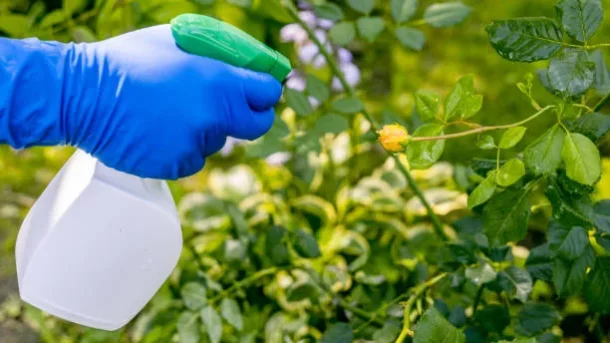
Disease and Pest Resistance: GM crops can express resistance against particular pathogens or pests. As a result, fewer chemical pesticides or fungicides are required, reducing pesticide use and the related hazards to the environment. GM crops that are resistant to pests can lower crop losses from insect damage and encourage more environmentally friendly pest control methods.

Reduced Environmental Impact: Growing GM crops can have advantageous effects on the environment. Genetically modified (GM) crops can lessen exposure to non-target creatures, reduce chemical runoff into water bodies, and safeguard valuable insects by using less pesticides. Additionally, certain GM crops are made to consume less water or to withstand particular environmental conditions, resulting in more effective water use and less impact on the environment.

 How can nanotechnology enhance crop production and protection?

protection

Numerous approaches to improve crop protection and yield are provided by nanotechnology. The following are some significant ways that nanotechnology can advance these causes:

Enhanced Nutrient distribution: The exact and targeted distribution of nutrients to plants is made possible by nanotechnology. Nutrient utilization efficiency can be increased by using nanoscale nutrient carriers or nanofertilizers that release nutrients gradually and in response to plant needs. In order to promote optimal growth, production and protection, and nutrient uptake, this targeted delivery makes sure that plants receive nutrients in the proper amount and at the proper time.

Controlled Release of Pesticides and Herbicides: Nanotechnology makes it easier to create pesticide and herbicide nanoformulations. These nanoformulations safeguard the active components, increase their solubility, and allow for regulated release. Pesticides or herbicides are progressively released using controlled-release devices, assuring continuous efficacy and minimizing the need for repeated treatments. 

Nanotechnology improves seed treatments to promote improved germination and crop establishment. Seed treatments like biostimulants, growth regulators, or advantageous microbes can be protected and released gradually by being nanoencapsulated. This encourages stronger seedling growth, healthier seed germination, and better crop establishment.

Diagnostic instruments and sensors based on nanotechnology are better at identifying and diagnosing diseases. Rapid and sensitive detection of particular pathogens or disease markers is made possible by nanobiosensors and nanoprobes. These nanoscale tools enable precise and rapid disease identification, enabling quick response and focused disease management techniques.

What is the potential of using nanotechnology in agriculture?

nanotechnology in agriculture

Numerous facets of agriculture could be revolutionized by nanotechnology. The following are some potential uses of nanotechnology in agriculture:

The development of nanoformulations that improve the targeted delivery of agrochemicals like pesticides, herbicides, and fertilizers is made possible by nanotechnology. Active compounds are protected, their solubility is increased, and their entry into plant tissues is facilitated via nanoencapsulation and nanocarrier systems. This targeted delivery minimizes environmental effects, increases effectiveness, and eliminates chemical waste.

Smart Nutrient Delivery: Nanotechnology can help plants receive nutrients in a targeted and regulated manner. Based on the needs of the plant and the surrounding environment, nanoscale nutrient carriers or nanofertilizers can release nutrients in a regulated manner. This supports ideal plant growth and development and increases fertilizer use efficiency and nutrient losses.

Enhanced Crop Protection: Nanotechnology has the promise of creating cutting-edge, environmentally friendly crop protection strategies. Crop protection products with better UV protection, antibacterial activity, or adhesive qualities can be created using nanomaterials, such as nanoparticles or nanocoatings. These nanoparticles are capable of offering efficient defense against pathogens, illnesses, or environmental disturbances.

The diagnosis and monitoring of plant diseases can be improved with the use of diagnostic instruments and sensors based on nanotechnology in agriculture. High sensitivity and specificity can be achieved when using nanobiosensors, nanoprobes, or nanodevices to detect and identify certain infections or disease indicators. This makes it possible to diagnose diseases early, act quickly to treat them, and use more specialized disease management techniques.

How can satellite imagery contribute to precision agriculture?

satellite imagery

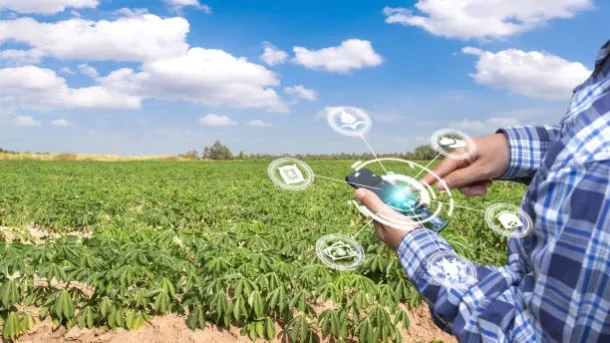
Satellite imagery is essential to precision agriculture because it offers insightful information and useful data for efficient farm management. Here are some ways that satellite imaging benefits precision agriculture:

Crop Monitoring and Health Assessment: Detailed information regarding vegetation indicators, such as NDVI (Normalized Difference Vegetation Index), which depicts plant health and vigor, is captured by satellite imagery. Farmers may monitor crop growth, spot early indications of stress, pinpoint possible production fluctuation, and take corrective action by studying satellite photos. This enables resource allocation that is both targeted and efficient.

Crop Yield Estimation and Prediction: Crop yields can be estimated and predicted using satellite imaging, ground truth data, and historical records. Satellite imaging aids farmers in evaluating agricultural yields by examining vegetation patterns, growth rates, and other crop indicators.

Field Zoning and Variable Rate Application: By highlighting regions with different crop health or vigor, satellite imagery helps to create field zoning maps. These maps can serve as a guidance for farmers applying inputs at variable rates, such as fertilizer, insecticides, or irrigation. Farmers optimize resource utilization and increase crop yield by adjusting input application rates to the unique requirements of various zones within a field.

Management of Drought and Water: Satellite photography gives data on soil moisture content and drought conditions across wide areas. Farmers may better manage irrigation schedule, direct water supplies to regions in need, and lessen the impact of drought on crop production by evaluating water stress indicators obtained from satellite data. This improves water use effectiveness and preserves water supplies.

What are the benefits of using sensor-based irrigation systems?

sensor-based irrigation systems

Sensor-based irrigation systems have a number of advantages for streamlining irrigation and maximizing water usage. Some of the main advantages of employing sensor-based irrigation systems are as follows:

Better water management: Sensor-based irrigation system offer real-time information on soil moisture levels, weather, and plant water needs. With the use of this information, accurate water management is made possible, ensuring that plants get the proper amount of water at the appropriate time. Sensor-based irrigation systems maximize water utilization and lower water waste by avoiding over- or under-irrigation.

Water Conservation: By reducing superfluous watering, sensor-based systems contribute to water conservation. Tensiometers or soil moisture sensors monitor the amount of moisture in the root zone and enable watering to only start when the soil moisture falls below a predetermined level. This avoids excessive irrigation and runoff, which would cause substantial

Precision irrigation is made possible by sensor-based system, which feed water to the plant’s root zone based on its real moisture requirements. With this focused application, water is utilised by the plants more effectively and is lost less through evaporation or deep percolation. Precision irrigation improves irrigation consistency and lessens plant water stress.

Energy savings: By integrating sensor-based irrigation systems with automated control systems, watering may be precisely scheduled and run based on sensor readings. With this automation, less manual work is required, and energy utilization is maximized. Sensor-based technologies aid in energy savings in irrigation operations by lowering pumping and energy requirements.

How does fertigation optimize nutrient delivery to plants?

fertigation optimize

By supplying nutrients to plants through the irrigation system, the process known as fertilization combines irrigation and fertilization. It provides numerous options for enhancing fertilizer delivery, enhancing nutrient uptake and increasing plant yield. To give you an example of how fertigation optimize plant nutrient uptake:

Application with Clarity and Focus: Fertigation makes it possible to apply nutrients with clarity and focus right to the plant’s root zone. Nutrients are supplied evenly and effectively by injecting fertilizers into irrigation water, avoiding nutrient waste and maximizing their availability for plant uptake.

fertigation optimize ensures that nutrients are distributed uniformly across the entire field. Whether it be a drip irrigation system, sprinklers, or center pivots, the irrigation system distributes water and nutrients consistently, preventing changes in nutrient concentrations across the field. 

Application of nutrients at the best time possible by synchronizing fertilization with the plant’s developmental stage and nutrient needs. When plants are at crucial growth phases and have the greatest need for nutrients, nutrients can be applied to increase nutrient uptake and utilization. This careful sequencing maximizes the availability of nutrients during critical growth phases, enhancing crop development and production.

Flexibility in Nutrient Composition: Using fertilization, it is possible to modify the concentration and composition of nutrients according to the needs of the crop and the soil. Farmers can alter the fertilizer mix to match particular crop nutrient needs or to correct any shortfalls discovered through soil testing or plant tissue analysis. This adaptability improves nutrient balance and prevents nutrient imbalances, which can harm the health and productivity of plants.

 What are the advantages of using drip irrigation systems?

drip irrigation systems

Comparing drip irrigation systems to conventional irrigation techniques, there are a number of benefits. Some of the main benefits of employing drip irrigation are as follows:

Water Efficiency: Drip irrigation uses water very effectively. It minimizes evaporation and reduces water loss through runoff or deep percolation by delivering water directly to the plant’s root zone. Water resources are conserved while ensuring that plants receive the essential moisture thanks to this precise application of water.

Water Application Precision: Drip irrigation allows for precise water application management. Water is distributed precisely and uniformly across the field via emitters or drip tapes because the water is released at a slow, steady rate. With less over-irrigation and less water stress on plants, this precision aids in the efficient use of water.

Reduced Weed Growth: Drip irrigation avoids wetting the entire field surface by delivering water directly to the crop’s root zone. This lessens the amount of moisture that weeds may get, reducing weed germination and growth. Farmers can thus save money on labor and pesticide expenses related to weed control.

Efficiency in terms of nutrients: Fertigation, or mixing fertilizer with irrigation water, can be incorporated into drip irrigation systems. In order to ensure effective nutrient uptake by plants, this enables accurate and targeted nutrient delivery to the root zone. Leaching and runoff nutrient losses are reduced, increasing the effectiveness of fertilizer application.

 How can climate-smart agriculture mitigate the impact of climate change on crops?

climate-smart agriculture

A variety of techniques can be used in climate-smart agriculture to lessen the effects of climate change on crops. Here are a few ways that climate-smart agriculture might lessen the effects of climate change:

Adaptation to Changing circumstances: The focus of climate-smart agriculture is on adopting techniques that increase crops’ resistance to changing climatic circumstances. For example, choosing and breeding crop varieties that can withstand heat, drought, or waterlogging. Farmers can lessen the negative effects of climate change on crop productivity by selecting the right crop kinds.

Water Management is Improved: Climate-smart agriculture encourages effective water management techniques. Water is conserved and crop water stress is decreased by using methods like precision irrigation, mulching, and drip irrigation. Crops can endure droughts better by maximizing water consumption and reducing water loss.

Conservation agricultural: By enhancing soil health and moisture retention, conservation agricultural techniques including minimal tillage, cover crops, and crop rotation help reduce the effects of climate change. These techniques boost soil organic matter content, decrease soil erosion, and increase water infiltration. Drought, temperature changes, and other harsh weather occurrences are less likely to damage healthy soils.

Agroforestry and Windbreaks: By including trees or windbreaks in agricultural landscapes, crop damage from climate change can be reduced. Crops are shielded from high heat or wind damage by trees’ provision of shade, control of microclimates, and reduction of wind speeds. Additionally, agroforestry systems capture carbon dioxide, reducing greenhouse gas emissions.

What are the challenges and benefits of adopting climate-smart agriculture practices?

climate-smart agriculture

Adopting climate-smart agricultural techniques has advantages and disadvantages. The following are some of the main drawbacks and advantages of adopting climate-smart agriculture:

Challenges:

Knowledge and Awareness: Making sure farmers have access to the information they need regarding climate-smart practices is one problem. Understanding the effects of climate change, effective adaptation measures, and the potential advantages of implementing climate-smart agriculture are all included in this.

Financial Resources: Putting climate-smart strategies into effect frequently necessitates investments in new infrastructure, technologies, or training. For farmers, especially small-scale farmers, a lack of financial resources can be a major obstacle to implementing climate-smart agriculture.

Technical Capacity: Using climate-smart activities may call for learning new abilities, using new tools, and having new technical knowledge. It can be difficult to give farmers the instruction and support they need to improve their technical proficiency, particularly in areas with few extension services or sources of agricultural advances.

For farmers to successfully apply climate-smart practices, they require access to quality seeds, fertilizer, water supplies, and other inputs. Particularly in isolated or underdeveloped locations, a lack of access to these resources can impede the implementation of climate-smart agriculture.

Benefits:

Climate Resilience: Climate-smart agriculture makes farming systems more resistant to the effects of climate change. It consists of steps to adapt to shifting climatic conditions as well as activities that reduce greenhouse gas emissions. Farmers can overcome climate-related hazards and keep up agricultural productivity thanks to their resilience.

Productivity Gains: Climate-smart farming techniques frequently boost agricultural output. Conservation agriculture, agroforestry, and precision farming are examples of practices that maximize resource usage, boost soil health, and improve water management. These methods help to increase crop yields, crop quality, and farm income.