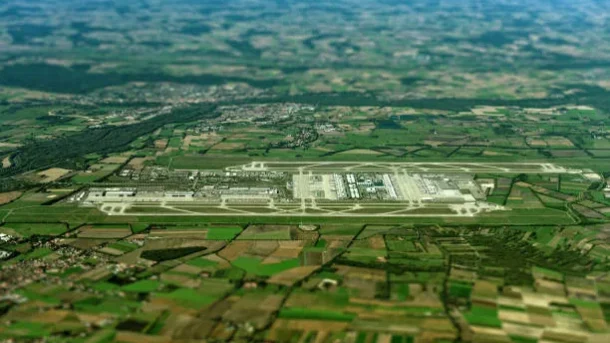
Satellite imagery is essential to precision agriculture because it offers insightful information and useful data for efficient farm management. Here are some ways that satellite imaging benefits precision agriculture:
Crop Monitoring and Health Assessment: Detailed information regarding vegetation indicators, such as NDVI (Normalized Difference Vegetation Index), which depicts plant health and vigor, is captured by satellite imagery. Farmers may monitor crop growth, spot early indications of stress, pinpoint possible production fluctuation, and take corrective action by studying satellite photos. This enables resource allocation that is both targeted and efficient.
Crop Yield Estimation and Prediction: Crop yields can be estimated and predicted using satellite imaging, ground truth data, and historical records. Satellite imaging aids farmers in evaluating agricultural yields by examining vegetation patterns, growth rates, and other crop indicators.
Field Zoning and Variable Rate Application: By highlighting regions with different crop health or vigor, satellite imagery helps to create field zoning maps. These maps can serve as a guidance for farmers applying inputs at variable rates, such as fertilizer, insecticides, or irrigation. Farmers optimize resource utilization and increase crop yield by adjusting input application rates to the unique requirements of various zones within a field.
Management of Drought and Water: Satellite photography gives data on soil moisture content and drought conditions across wide areas. Farmers may better manage irrigation schedule, direct water supplies to regions in need, and lessen the impact of drought on crop production by evaluating water stress indicators obtained from satellite data. This improves water use effectiveness and preserves water supplies.