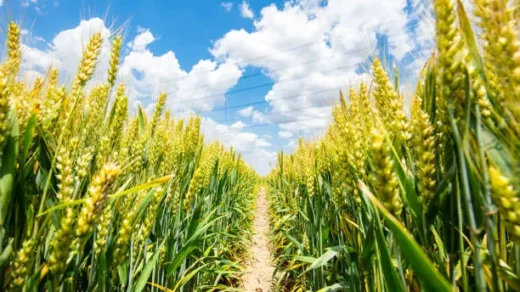
The development of leaves, stems, and other vegetative organs depends on the nutrient nitrogen (N), which is essential for plant growth. The synthesis of proteins, photosynthesis, and general plant metabolism all depend on it. Lack of nitrogen can cause stunted growth, leaf yellowing, and decreased yield. Different types of nitrogen, such as ammonium (NH4+), nitrate (NO3–), or urea, which are easily absorbed by plants, are frequently included in chemical fertilizers.
Phosphorus (P): For several metabolic activities in plants, such as energy transfer, root growth, flowering, and fruiting, phosphorus is crucial. It facilitates in the movement of energy from one area of the plant to another and encourages the development of robust roots. A lack of phosphorus can cause delayed maturation, poor root growth, and smaller seeds.
Potassium (K): Potassium is essential for a variety of plant processes, including the activation of enzymes, control of water and nutrient transport, and disease resistance. It helps plants be more resilient to stress and have greater overall health. Lack of potassium can cause crops to produce less well, weaken their stalks, and become more vulnerable to pests and diseases. Potassium is provided via chemical fertilizers in the form of potassium sulfate or potassium chloride (Muriate of Potash).
Chemical fertilizers can include secondary nutrients like calcium (Ca), magnesium (Mg), and sulfur (S) in addition to these macronutrients. They can also include micronutrients like iron (Fe), manganese (Mn), zinc (Zn), copper (Cu), boron (B), molybdenum (Mo), and others. Chemical fertilizers’ precise nutrient makeup varies based on their formulation and the needs of the targeted crops.