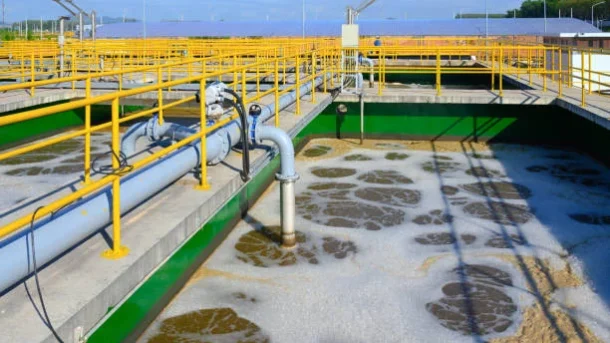
Anaerobic digestion is a technique that can turn agricultural waste into sustainable energy sources, including crop residues, animal manure, and byproducts of the food processing industry. This waste is utilized in biogas facilities to create biogas, which can be used to generate power, heat homes, or as a biofuel for automobiles. Anaerobic digestion produces digestate, an organic fertilizer that is nutrient-rich.
Composting and the creation of organic fertilizers: Composting is a method that is frequently used to manage agricultural waste. Organic wastes including agricultural residues, plant trimmings, and animal manure are transformed into nutrient-rich compost through controlled decomposition. The use of this compost as a soil amendment will enhance soil structure and fertility while decreasing the demand for artificial fertilizers.
Recovery and Recycling of Nutrients: Recovery and recycling of nutrients from agricultural waste is made possible by nutrient recovery technologies, such as nutrient extraction and nutrient capture from waste streams. These recovered nutrients can be utilized on farms to lessen dependency on synthetic fertilizers or converted into commercial fertilizers. This strategy lessens nutrient discharge and closes nutrient cycles, reducing water pollution.
Crop stalks, husks, and pruning’s are examples of agricultural wastes that can be used for the generation of biomass and bioenergy. Biomass can be burned directly to provide heat and power or processed into biofuels like ethanol and biodiesel. Farmers may decrease waste, balance their use of fossil fuels, and contribute to a more sustainable energy sector by using agricultural wastes to produce bioenergy.