What are the effects of rainfall patterns on agriculture?

rainfall patterns

Crop Growth and Yields: For crops to grow and yield, there must be sufficient and evenly distributed rainfall. Water from rainfall patterns is crucial for plants to use for physiological functions including photosynthesis and nitrogen uptake. Reduced crop yields, water stress, and stunted development can all be effects of insufficient rainfall. On the other hand, heavy rainfall can reduce agricultural output by resulting in waterlogging, root damage, and increased susceptibility to diseases.

Needs for irrigation and soil moisture are determined by rainfall patterns, which are essential for crop development. Rainfall that is regular and moderate refills the moisture in the soil, creating ideal circumstances for plant growth. Farmers may need to supplement irrigation in areas with insufficient rainfall to meet crop water needs. Care must be taken since irregular or erratic rainfall patterns can result in unequal soil moisture distribution.

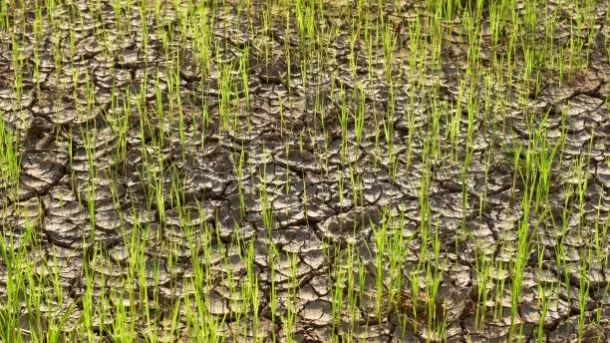
Water Stress and Drought: Prolonged dry spells can result from insufficient precipitation. Droughts can seriously affect agriculture, leading to crop failures, decreased yields, and financial losses. Drought-induced water stress can alter plant physiology and cause wilting, leaf senescence, and decreased nutrient uptake. Crop varieties that can withstand droughts and effective irrigation techniques can lessen the effects of water constraint.

Decisions Regarding Planting and Harvesting: Farmers base their planting and harvesting decisions on rainfall patterns. To choose the best time to sow various crops, they take into account the start and length of rainy seasons. Rainfall that is irregular or late can delay planting, which will have an impact on crop growth and yields. Similar to how weather patterns during harvest might affect harvesting activities and post-harvest processing procedures.

How does temperature affect crop growth and development?

temperature affect

temperature affect on how well seeds germinate. A crop’s ideal temperature range for germination varies depending on the crop, and variations from this range might impact germination rates. Warmer temperatures typically encourage quicker germination, whereas cooler temperatures can impede or delay germination.

Vegetative Growth: The development of leaves, the lengthening of stems, and branching are all greatly influenced by temperature. In general, warmer temperatures hasten vegetative development, increasing biomass buildup. However, extreme heat can also have negative impacts like withering, a reduction in photosynthesis, and slowed growth.

temperature affect on the time and efficiency of flowering and pollination. For the commencement and development of blooms, several crops have specific temperature needs. Lower temperatures can impede or delay flowering, whereas higher temperatures can promote it. As excessive temperatures can impact pollen viability and pollinator activity, ideal temperatures are essential for successful pollination and fruit set.

Temperature has an impact on fruit set, the process through which blossoms turn into fruits. During this period, ideal temperatures encourage healthy fertilization, fruit growth, and development. Cold snaps or periods of extreme heat can prevent fruit from setting, which can result in irregular fruit development or lower yields.

What are the main climate factors that influence agricultural productivity?

influence

Temperature: Crop growth and development are greatly influence by temperature. The ideal temperature for germination, vegetative growth, blooming, and fruiting varies depending on the crop. Crop yields and quality can be significantly impacted by extreme temperatures, such as heatwaves or frost occurrences. The time of planting and harvesting activities is also impacted by temperature.

Precipitation: For crops to develop, there must be sufficient and timely precipitation. Reduced crop yields, drought conditions, and plant water stress can all result from insufficient precipitation. On the other hand, an abundance of rain can cause nutrient leaching, soil erosion, and waterlogging. Crop choices, the requirement for irrigation, and water management measures are all influence by the quantity, distribution, and timing of precipitation.

Seasonality: The length and timing of the seasons play a significant role on the productivity of the agricultural sector. The amount of time available for crop growth and yield formation depends on the length of the growing season. Crop rotation techniques, planting dates, and crop choice are all impacted by seasonality. Decisions on agricultural planning and management may be impacted by changes in seasonality patterns.

Solar Radiation: The energy required for photosynthesis, which fuels crop growth and production, is provided by solar radiation, notably in the form of sunshine. Crop yields and the buildup of biomass are influenced by the length and intensity of sunshine. The effectiveness of plants’ photosynthetic processes and the production of plant sugars are both impacted by solar radiation.

How does climate impact agricultural practices?

climate impact

Temperature: Crop growth and development are impacted by temperature. The ideal temperature for germination, vegetative growth, blooming, and fruiting varies depending on the crop. Crops can be harmed or even destroyed by extreme temperatures, such as heatwaves or frost occurrences. climate impact change-related changes in temperature patterns can affect whether crops grow well in particular places and may need adjusting planting times and crop choices.

Precipitation: For crops to develop, there must be sufficient and timely precipitation. Reduced crop yields, drought conditions, and plant water stress can all result from insufficient precipitation. On the other hand, an abundance of rain can cause nutrient leaching, soil erosion, and waterlogging. The need for irrigation, crop choices, and overall water management practices in agriculture can all be impacted by changes in precipitation patterns, including variations in timing and severity.

Seasonal Variability: The length and timing of seasons, including the length of growing seasons and dormant periods, are influenced by the climate. Crop selection, planting dates, and crop rotation techniques are all impacted by the availability of adequate growing seasons. Farming schedules can be thrown off by climate impact variability, which includes changes in the start and end dates of the seasons.

Water Resources: Surface water and groundwater availability and distribution are influenced by the climate. For the production of crops, livestock, and irrigation, water availability is essential. Farmers may need to adopt effective irrigation methods, water conservation practices, and better water resource management strategies as a result of changes in precipitation patterns and temperature.

What are the long-term effects of using chemical fertilizers on soil health and crop production?

chemical fertilizers

Nutrient Imbalances: Using chemical fertilizers excessively or continuously without taking into account the needs of the crop or the condition of the soil’s nutrients can cause nutrient imbalances. When one nutrient is applied excessively, building up in the soil, while another is applied insufficiently, imbalances may result. Crop quality, yield, and growth may be impacted by this.

Acidification of the soil: Over time, some chemical fertilizers, such as nitrogen fertilizers based on ammonium, can cause the soil to become more acidic. Applying acidic fertilizers repeatedly without taking the proper precautions to keep the pH balance of the soil might result in diminished soil fertility and lower availability of vital minerals for plant uptake.

Chemical fertilizers can have an impact on the microbial populations in the soil. Synthetic nitrogen fertilizers with high nitrogen content can have a negative effect on the diversity and activity of helpful soil bacteria. This may interfere with crucial microbial operations involved in the cycling of nutrients, the breakdown of organic matter, and the development of soil structure.

Soil Organic Matter: Reliance solely on chemical fertilizers over an extended period of time without adding organic matter inputs might cause a decrease in the amount of soil organic matter. Because it enhances soil structure, water-holding ability, nutrient retention, and microbial activity, organic matter is essential for the health of soil. Organic matter levels dropping can affect soil fertility and agricultural productivity over the long term.

Can the use of chemical fertilizers be integrated with other sustainable agricultural practices?

chemical fertilizers be

Organic and Natural Fertilizers: To increase nutrient availability and advance soil health, chemical fertilizers be used in conjunction with organic and natural fertilizers. Compost, manure, and cover crops are examples of organic fertilizers that add organic matter to the soil, enhance soil structure, and offer a slow-release source of nutrients. Farmers can increase long-term soil fertility, minimize the need for synthetic fertilizer, and maximize nutrient availability by combining chemical fertilizers with organic amendments.

Precision agricultural: As previously indicated, integrating precision agricultural technologies with chemical fertilizers be optimize the application of nutrients. Farmers can apply chemical fertilizers at precise ratios based on the unique nutrient requirements of various locations within a field by employing data-driven technologies and site-specific management practices. With this focused application, less fertilizer is wasted, less nutrients are lost.


Conservation agricultural: To improve soil health and nutrient cycling, chemical fertilizers can be used in conjunction with conservation agricultural practices such minimal tillage, cover crops, and crop rotation. These techniques aid in reducing soil erosion, enhancing nutrient availability, increasing organic matter content, and improving water retention. To meet agricultural nutrient needs while avoiding environmental impacts, chemical fertilizers can be used sparingly in conjunction with conservation techniques.

Integrated Nutrient Management: To achieve balanced and sustainable nutrient management, integrated nutrient management combines several nutrient sources, including as chemical fertilizers, organic amendments, and biological inputs. Farmers can increase soil fertility, decrease reliance on synthetic inputs, and optimize nutrient availability by combining chemical fertilizers with other nutrient sources.

Are there any advancements or innovations in the field of chemical fertilizer?

chemical fertilizer

chemical fertilizer with slow and controlled releases are made to release nutrients gradually over an extended period of time to meet the needs of crops. They decrease the risk of overfertilization, decrease nutrient losses due to leaching and volatilization, and increase the effectiveness of nutrient utilization.

Fertilizers that have been coated: Coating technologies have been developed to improve the characteristics of fertilizers’ nutrient delivery. A protective layer on coated chemical fertilizer regulates the rate at which nutrients are released. The coating may be programmed to release nutrients in response to conditions like temperature, moisture content, microbial activity, or predetermined time periods. This technique aids in the controlled release of nutrients, lowers nutrient losses, and enhances crop nutrient uptake.

Enhancing the availability and effectiveness of nutrients for plants is the goal of enhanced efficiency fertilizers (EEFs). Products like nitrification inhibitors, urease inhibitors, and phosphorus enhancers can be included in them. Nitrification inhibitors reduce nitrogen losses by leaching and denitrification by slowing the conversion of ammonium to nitrate. Urease inhibitors reduce nitrogen volatilization by delaying the breakdown of urea. By lowering its fixation in the soil, phosphorus enhancers increase the availability of phosphorus to plants.

Precision Agriculture Technologies: Farmers can acquire specific information about soil variability, crop development, and fertilizer requirements using precision agriculture instruments including remote sensing, GPS, and yield mapping. With the use of these technologies, farmers may more precisely decide how much and where to apply fertilizer, ensuring that the proper amount is applied at the right time.

How do farmers determine the appropriate amount of chemical fertilizer to use?

farmers determine

An important initial step in establishing the pH and nutritional state of the soil is soil testing. The pH, nitrogen content, and other characteristics of the soil are measured in soil samples taken from representative fields. The test findings give information about the current nutrient levels, allowing farmers determine to apply fertilizer with knowledge.

Crop nutrient needs: Farmers determine the nutritional needs of the particular crops they want to plant. At various phases of growth, every crop has specific nutrient requirements. Knowing the nutritional requirements can assist you choose how much fertilizer to use.

Farmers take into account the crop’s rate of nutrient loss. The amount of nutrients that will be absorbed and eliminated from the field during harvest is what is meant by this. Farmers can calculate the amount of fertilizer needed to replace the nutrients that will be withdrawn from the system by knowing the rate of nutrient removal.

In order to ensure that the fertilizer application meets the crop’s needs without leading to excessive nutrient buildup or deficiencies, the nutrient balance of the soil is assessed. The necessary nutrient levels for optimum crop development and productivity are used to define targets for soil fertility. To accomplish these objectives, the rate at which fertilizer is applied is changed.

Are there any strategies to minimize the potential negative effects of chemical fertilizers?

strategies

Plan your nutrient management strategies by regularly testing the soil to determine its pH and nutrient content. Create nutrient management strategies based on test results that take local laws, crop nutrient needs, and soil conditions into account. Soil testing reduces the possibility of overapplication and nutrient imbalances by ensuring focused and exact fertilizer application.

Site-Specific Nutrient Management: Take into account the differences in soil fertility between several fields or regions within a field. To pinpoint regions with various nutrient requirements, use precision agriculture techniques including remote sensing, yield mapping, and assessments of the electrical conductivity of the soil. This makes it possible to apply fertilizer specifically to a certain area, maximizing nutrient usage and reducing waste.

Apply fertilizers at the proper time to coincide with the crop’s nutrient uptake and to reduce nutrient losses. To match nutrient delivery with the plant’s growth stages, use split applications. Use effective application techniques to increase fertilizer effectiveness and minimize interaction with non-target areas, such as banding or targeted placement.

Consider utilizing controlled-release or slow-release fertilizers, which release nutrients gradually over an extended period of time. These fertilizers support the prevention of nutrient runoff, supply nutrients to plants when they require them, and lessen nutrient losses through leaching and volatilization.

Do chemical fertilizers have any impact on water sources or groundwater quality?

groundwater

Runoff of Nutrients: Surface runoff can remove nutrients from the crops when chemical fertilizers are applied excessively or during periods of heavy rainfall. The neighboring rivers, lakes, groundwater, and streams may receive this discharge. The overabundance of nutrients, especially nitrogen and phosphorus, can lead to eutrophication, a condition in which the growth of algae and aquatic plants is accelerated by an abundance of nutrients. This may cause an oxygen shortage, kill aquatic life, and throw the aquatic ecosystem’s delicate balance out of whack.

Chemical fertilizers, particularly those that are water soluble, can permeate the soil profile and seep into the groundwater. Leaching happens when rainfall or irrigation water moves the dissolved nutrients into the water table by moving them through the soil layers.


Surface Water Contamination: Chemical fertilizers that are improperly handled, stored, or accidentally spilled can contaminate surface waters. Runoff or direct release of fertilizer compounds into water bodies can happen when fertilizers are not administered in accordance with advised procedures or when machinery fails. This might affect the quality of the water, endanger aquatic life, and disturb aquatic ecosystems.

Groundwater contamination can result from the leaching of nutrients from chemical fertilizers, notably nitrate. Since nitrate is extremely soluble, it can quickly pass through the soil and get to the water table. Nitrate contamination in groundwater can be harmful to people’s health. Methemoglobinemia, sometimes known as “blue baby syndrome,” is a disorder that decreases the blood’s ability to carry oxygen, especially in children. It is brought on by consuming water with high nitrate concentrations.