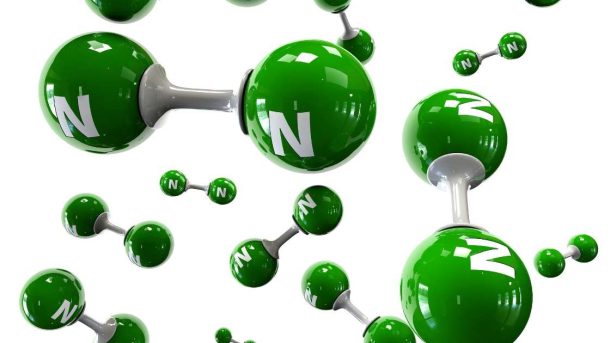
Nitrogen is one of the primary macronutrient that is required by plants in large quantity. Functions of nitrogen includes promoting transportation in xylem and phloem, synthesis of hormones such as cytokines , osmoregulation. Nitrogen is also a component of the chlorophyll molecule, which enables the plant to capture sunlight energy by photosynthesis, driving plant growth and grain yield. Nitrogen plays a critical role within the plant to ensure energy is available when and where the plant needs it to optimize yield. This crucial nutrient is even present in the roots as proteins and enzymes help regulate water and nutrient uptake.
What is the mechanism of action of biofertilizers?
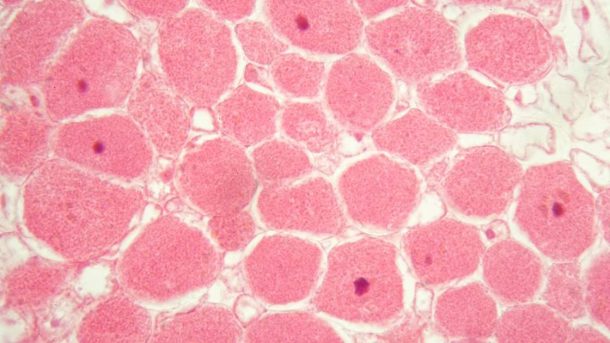
Azospirillum, a PGPRs species, is thought to secrete plant growth hormones like gibberellins, ethylene, and auxins . Phytohormone production can also be induced by some plant-associated microorganisms. At varied cultural pH, temperature, and in the presence of agro-waste as a carrier material, Rhizobium and Bacillus were discovered to synthesis IAA. Ethylene, unlike other phytohormones, is responsible for dicot plant growth suppression. PGPR could enhance the growth of plant by suppressing the expression of ethylene.
How biofertilizers improve soil fertility ?
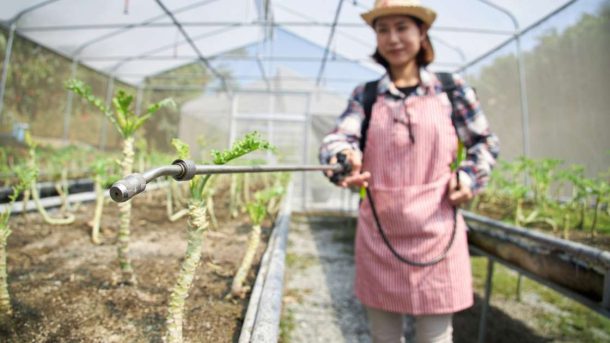
By nitrogen fixation, phosphate and potassium solubilization or mineralization, release of plant growth regulating chemicals, creation of antibiotics, and biodegradation of organic materials in the soil, biofertilizers keep the soil environment rich in all kinds of macro and micro nutrients. When administered as seed or soil inoculants, biofertilizers proliferate and participate in nutrient cycle, resulting in increased crop productivity. In general, 60 percent to 90 percent of the fertiliser applied is wasted, with the remaining 10 percent to 40% taken up by plants. As a result, biofertilizers can be an important part of integrated nutrient management systems for agricultural production and environmental health.
What is the role of Rhizobium?
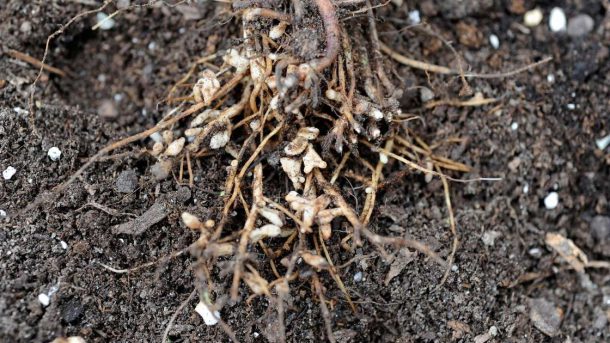
Rhizobium is a bacteria that dwells in the root nodules of leguminous plants in a symbiotic relationship. They fix nitrogen from the air and turn it into soluble nitrates, nitrites, and ammonium compounds. Increased soil production and fertility are aided by nitrogen fixing. The nitrogen gas is captured from the atmosphere and used in their growth and development. When legumes die, the nodules break down and are incorporated into the soil, making it more fertile. Rhizobium is relatively more effective and widely used biofertilizer.
How weed management is done in organic farming ?
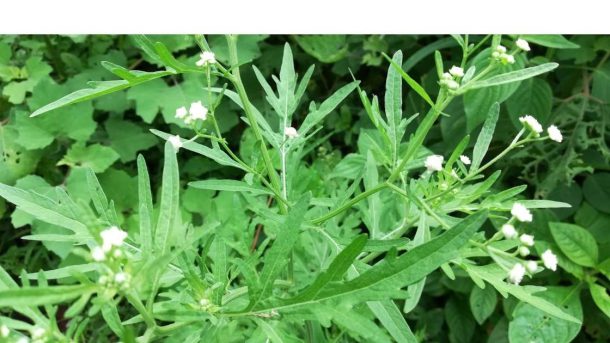
Chemical herbicides are not permitted in organic farming. As a result, only hand weeding is possible. To control weeds, many cultural methods like as tillage, floods, and mulching can be applied. In addition, biological (pathogen) methods can be utilised to manage weed-related losses. A cover crop can be planted when the ground is fallow to suppress weeds and improve soil quality. Weed growth can also be slowed by employing drip irrigation, which limits the amount of water that reaches the plant line.
What is a shade house ?
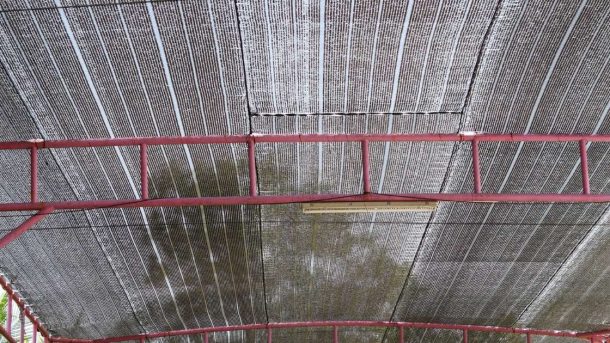
A shade house is a structure that is encased in agro nets or other woven materials, with holes that enable sunlight, moisture, and air to pass through. It produces a microclimate that is beneficial to plant growth. Shade net house or net house are other names for it. The shade house structure should be designed with the sort of crop to be cultivated in mind, as well as locally available materials and climatic circumstances. It should be possible to expand in the future.
A shade house should be situated such that it has easy access to markets for inputs and the sale of its products. This structure should be built away from buildings and trees, as well as pollution from industry and vehicles. There should be no drainage issues on the property. Electricity and high-quality water should be available. Wind breakers, on the other hand, may be placed 30 metres away from the structure.
What are the advantages of hydrogel agricultural technology?
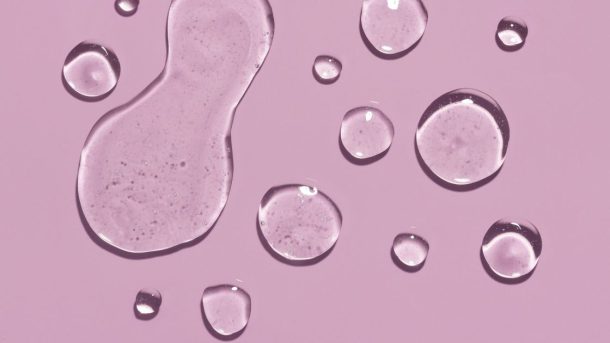
Hydrogel agricultural technology helps in improving soil quality, preserves water, resists drought , stress, and increases seed sprouting and seedling development leading to better farm success. It is non-polluting and biodegradable, reduces irrigation frequency and water consumption, and offers a simple cyclic mechanism to feed water directly to roots and prevent soil compaction from an environmental standpoint. SAPs serve as micro water reservoirs at plant roots in agriculture and agroforestry. They absorb 400-500 times their own weight in natural and supplied water and gently release it through the root capillary suction mechanism, minimising water loss in the soil through leaching and evaporation. SAPs establish a cyclic process of water absorption and release; the water released can offer optimal moisture for rapid seedling germination and maturity.
What properties of super absorbent polymer make it desirable for agricultural application?
Super absorbent polymers or hydrogel are used in agriculture due to t’s properties such as high absorption capacity in saline and hard water conditions, lowest soluble content and residual monomer, high durability and stability in the swelling environment and during storage, low price , pH‐neutrality after swelling in water, gradual biodegradability without formation of toxic species and re‐wetting capability.
What are super absorbent polymers in agriculture ?
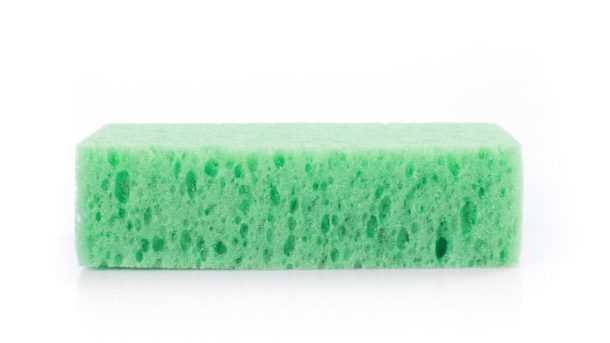
SAP, also known as hydrogel, absorbent polymers, absorbent gels, super soakers, super slurpers, and water gel, is a novel form of macromolecular synthetic water absorption polymer material. Acrylic acids and a cross-linking agent like potassium are commonly employed in agriculture to make Super Absorbent Polymers, which are made through solution or suspension polymerization. The resulting polymer is known as a polyacrylate, and its swelling capacity and gel modulus are highly dependent on the amount and type of cross-linker utilised. Polyacrylates are non-toxic, non-irritating, and non-corrosive in nature, and have been proven to be biodegradable at a rate of 10% to 15% each year. They have a large water absorption capacity and can freely release 95 percent of that when suction pressure is applied by plant roots.
What is azolla biofertilizer?

The nitrogen-fixing BGA Anabaena azollae is found in a floating water fern called ‘Azolla.’ Azolla contributes organic matter to the soil by containing 3.4 percent nitrogen (on a dry weight basis). Rice farming uses this biofertilizer. The Azolla plant has a branching, floating stem, highly bilobed leaves, and real roots that reach deep into the water. If water is not a limiting element and environmental conditions are favourable for its growth, Azolla can be grown all year in India. This fern develops a green carpet over water in most cases. Azolla decomposes quickly to NH4, which the rice plants can use. Rice yields increased by 0.5-2t/ha in field trials after Azolla was applied. Azolla application has been observed to boost rice yield by roughly 20% and 18% in India and China, respectively .