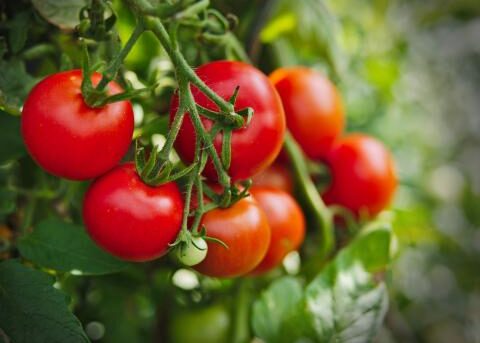
The pH of soil can affect tomato crop yield in several ways:
- Nutrient availability: Tomato plants require certain nutrients to grow and produce fruit, such as nitrogen, phosphorus, and potassium. These nutrients are more readily available in soils with a neutral pH of around 6.5-7.0. Soils with a pH outside of this range can limit the availability of these nutrients, reducing crop yield.
- Microorganism activity: Soil pH also affects the activity of microorganisms in the soil. These microorganisms play an important role in breaking down organic matter and releasing nutrients for plant uptake.
- Alkaline soil: Soils with a pH above 7.0 are considered alkaline, and can lead to nutrient deficiencies, particularly of iron, which is essential for tomato growth. This can cause the yellowing of leaves, stunted growth and reduced yield.
- Acidic soil: Soils with a pH below 6.5 are considered acidic, and can lead to reduced nutrient availability, particularly of calcium, which is essential for tomato growth. This can cause blossom-end rot, a disorder that results in the fruit developing a dark, leathery patch on the bottom.
- Pest and disease: Soil pH can also affect the susceptibility of tomato plants to pests and diseases. Some pathogens and pests thrive in acidic or alkaline soils, so it’s important to maintain the proper pH range to minimize their populations.
It is important to note that tomato plants can adapt to a range of pH levels, but the optimal pH for tomatoes is around 6.5-7.0, this will ensure the best yield and fruit quality. Additionally, soil pH can be easily adjusted by adding lime to raise the pH or sulfur to lower the pH.