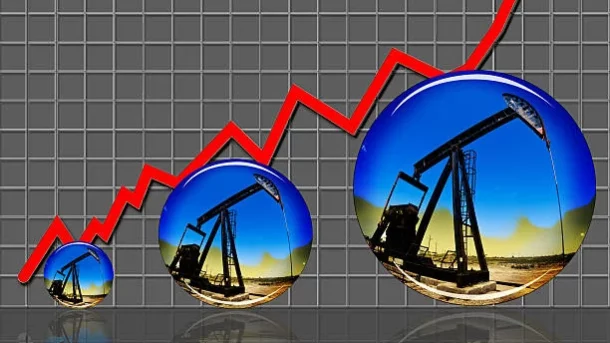
Due to the intimate ties between energy and agriculture, fluctuations in oil prices can have a considerable impact on the agricultural market. Changes in oil prices can affect production costs, transportation costs, and overall market dynamics because oil is a crucial component in agriculture. Here are a few ways that changes in the price of oil impact the agricultural market:
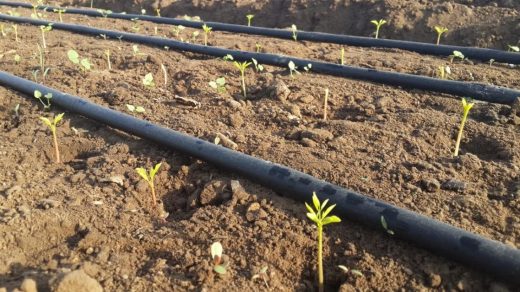
Costs of input: Oil, which is needed to power tractors, irrigation systems, and other machinery, is a key input in agriculture. Farmers’ production expenses increase as a result of rising oil prices, which may have an effect on their profitability and production choices.
Prices of fertilizers: The manufacture of synthetic fertilizers, which are extensively utilized in contemporary agriculture, requires a lot of energy and is reliant on oil and natural gas. Consequently, changes in the price of oil might have an impact on the price of fertilizer, which
Transporting agricultural goods from farms to markets and customers requires the use of trucks, ships, and airplanes, all of which run mostly on oil. Increased transportation expenses brought on by higher oil prices may be passed on to consumers as higher food prices.
Global commerce and Food Security: Changes in the price of oil can have an impact on the cost of international shipping and the commerce in agricultural products worldwide. Agricultural exports and imports may become less competitive as a result of rising transportation costs, which may have an impact on the availability and security of food in importing nations.