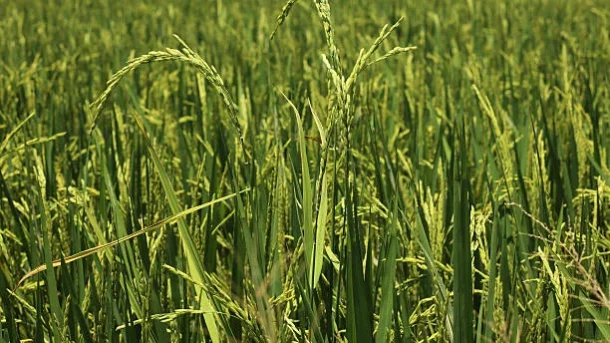
Crop output: climate variability , such as shifts in temperature and precipitation patterns, can have a direct effect on crop output. Droughts, heatwaves, floods, and storms are examples of extreme weather conditions that can impair crop productivity and reduce yields. Temperature extremes and insufficient or excessive rainfall can have a negative impact on plant growth, flowering, pollination, and fruit set, which eventually affects the amount of harvested crops.
Quality of Agricultural Products: The quality of agricultural products can also be impacted by climate change. Variations in temperature can have an impact on a crop’s chemical makeup, nutritional value, and flavor, especially during critical growth periods. For instance, cereals with high grain filling temperatures may have lower quality and lower protein content. Fruits and vegetables’ size, color, texture, and flavor can all be affected by erratic rainfall patterns.
Pests and illnesses: The frequency and geographic distribution of pests and illnesses in agricultural systems are influenced by climate variability. Temperature and humidity variations can foster the development of pests and diseases, increasing infestation rates and causing crop loss. The life cycles and population dynamics of pests can also be impacted by variations in rainfall patterns, potentially amplifying their negative effects on crops.
Water Availability: Crop growth and output can be impacted by the availability of water for irrigation due to climate fluctuation. Water shortage can cause water stress in plants, which can have an impact on their development and output during times of low rainfall or protracted droughts. Crop failure and decreased yields can result from insufficient water availability, which can also restrict the capacity to irrigate crops.