Sustainable agriculture

How do agricultural market trends influence government agricultural policies?

market trends

Governmental agricultural policy are significantly influenced by agricultural market movements. Governments actively monitor market trends and react to new threats and opportunities as they work to support their agricultural sectors and assure food security. How do governmental agriculture policies affect agricultural market trends?

Price Fluctuations and Supply-Demand Balance: To manage market uncertainties, governments may intervene through measures like price stabilization mechanisms, strategic food reserves, and export or import restrictions. These measures are aimed at reducing volatility in agricultural commodity prices and balancing supply and demand.

Crop diversification policy, financing for research and development, and support for the production of specialized or niche crops can all be impacted by shifting consumer preferences and market demand for certain agricultural goods.

Global Trade Patterns: Changes in the dynamics of the world’s agricultural trade may lead governments to negotiate trade agreements, impose tariffs, or offer export subsidies in order to increase domestic producers’ access to markets or shield them from unfair competition.

Technological developments: Market trends and prospects for agricultural technology and innovations may prompt governments to fund R&D initiatives, provide incentives for the adoption of sustainable practices, and encourage the digitalization of the industry.

How does the agricultural market respond to changes in dietary trends?

market

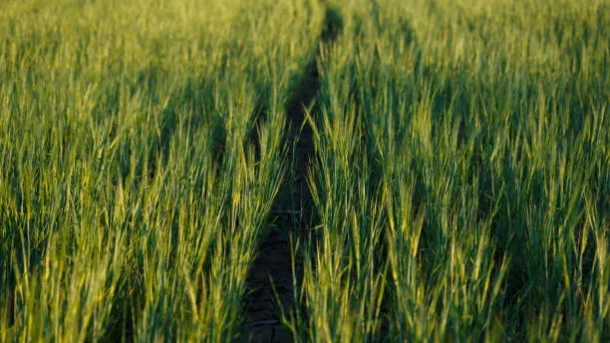
In order to adapt production, supply chains, and marketing techniques to consumers’ changing needs, the agricultural market reacts to shifts in dietary trends. The agricultural industry adjusts to reflect changes in food habits and health concerns. Here are a few ways the agriculture market reacts to dietary preferences changing:

Crop diversification: Alterations in dietary preferences may cause a rise in the demand for particular fruits, vegetables, or cereals. Farmers may diversify their crops in response to this in order to produce the foods that are in demand.

Changes in dietary preferences, such as an increase in interest in plant-based diets or alternative sources of protein, can have an effect on animal productivity. To accommodate the demand for various types of meat, farmers may modify their livestock operations.

Food that has been grown organically and sustainably is in greater demand as customers place a higher priority on environmental and health issues. Growing organic farming techniques and the adoption of sustainable agriculture practices may be the agricultural market’s response.

Value-Added Food Products: Demand for value-added food products, such as functional foods, gluten-free goods, or fortified foods, may be influenced by dietary trends. These customized products can be created and sold by the agricultural sector in response.

Supply Chain and Distribution: In order to ensure the effective delivery of these items to customers, supply chains and distribution networks may need to be changed when dietary patterns affect demand for particular foods.

What are the challenges in achieving sustainable agricultural intensification?

intensification

To achieve sustainable agricultural intensification, agricultural productivity must be raised while adverse environmental and social effects are reduced. Although the idea has many advantages, there are a number of obstacles that need to be overcome before it can be successfully implemented. Among the principal difficulties are:

Environmental Degradation: Unsustainable intensification techniques include excessive pesticide, water, and monoculture use can result in soil erosion, water pollution, and biodiversity loss.

Climate Change: Sustainable intensification faces considerable obstacles from climate change. Agronomic systems can be disrupted and productivity decreased by erratic weather patterns, extreme weather events like droughts and floods, and rising temperatures.

Water scarcity is a major barrier to the expansion of agriculture in many areas. Increased water demands may result in excessive groundwater extraction and resource depletion, which could harm ecosystems and rural populations.

Ecosystem services that are crucial for agriculture, such as pollination and pest control, may be reduced as a result of intensification methods that threaten natural ecosystems.

Social and Equity Issues: Smallholder farmers may not receive an equitable share of the advantages of intensifications, which could result in social inequities and marginalization.

Market Access and Prices: As production rises as a result of intensification, farmers may experience price swings and difficulties accessing the market.

What are the opportunities for agricultural startups in the market?

startups

Startups in the agricultural sector have a great chance to improve the market and solve numerous problems the sector is now facing. Agricultural startups can take advantage of the following opportunities as the agriculture industry develops and adopts new technologies and methods:

Precision Agriculture technology: To help farmers better utilize resources, boost productivity, and cut costs, startups can create and offer precision agriculture technology like IoT sensors, drones, and AI-powered analytics.

Startup can provide smart farming solutions that use automated systems, remote monitoring, and data-driven decision-making to enhance overall farm management and productivity.

Innovations in Sustainable Agriculture: There is a rising demand for sustainable agricultural methods. Startups can concentrate on creating technology and goods that improve soil health, use less water, use fewer chemicals, and increase biodiversity.

Urbanization and the scarcity of arable land are the main factors driving demand for vertical farming and controlled environment agriculture. Startups can experiment with cutting-edge hydroponic, aeroponic, or aquaponic techniques to grow food indoors or vertically.

Agtech and Farm Management Software: Agricultural entrepreneurs can develop agtech platforms and farm management software that help farmers organize their activities, track their data, and access insightful information to make better decisions.

What are the implications of climate-smart agriculture in the market?

climate-smart agriculture

The term “climate-smart agriculture” (CSA) refers to agricultural methods and techniques that seek to raise yields, strengthen resistance to climate change, and lower greenhouse gas emissions. The agriculture market may be affected in a number of ways by the adoption of climate-smart practices:

Enhanced Resilience: Climate-smart agriculture aids farmers in adjusting to climate change’s effects, including extreme weather, droughts, and shifted growing seasons. For the advantage of farmers and the market, increased resilience can lead to more steady agricultural production and lower crop failure risks.

Production that is Sustainable: The CSA encourages sustainable agriculture methods that reduce their negative effects on the environment and preserve natural resources. More ecologically friendly and sustainable agricultural products could result from this, which would be consistent with consumer expectations for items made in an ethical and sustainable manner.

Enhanced production: Farmers can increase their production and yield potential by implementing climate-smart techniques including precision agriculture, effective water management, and better pest control. Productivity gains can help the market receive a more plentiful and consistent supply of agricultural goods.

Market Access and Certification: Climate-smart farming techniques may offer doors to new markets and certification programs that place a premium on environmentally friendly and sustainable goods. Farmers who use CSA may have access to upscale marketplaces that emphasize environmentally friendly and sustainable operations.

Agriculture produced using climate-smart methods can be marketed as being both ecologically beneficial and climate resilient. By differentiating products on the market, branding may improve consumer demand and market share.

What are the challenges in implementing sustainable agricultural practices in developing countries?

implementing sustainable

Economic, social, and environmental considerations might make it difficult to implementing sustainable agriculture techniques in underdeveloped nations. Depending on the unique circumstances of each nation, these difficulties can vary, however some typical roadblocks include:

Limited Access to Resources: In developing nations, smallholder farmers frequently have trouble getting access to basic resources including land, water, high-quality seeds, fertilizer, and agricultural inputs. Adoption of sustainable methods may be hampered by high costs and limited supply.

Financial Restrictions: Many farmers in poor nations have financial restrictions when investing in environmentally friendly techniques and technologies due to their restricted access to credit. They could be unable to buy equipment or implement sustainable practices because of a lack of funding, which could result in higher initial costs.

Education and Awareness: Farmers and rural communities may have insufficient knowledge and awareness of sustainable agriculture practices. The adoption of implementing sustainable practices must be encouraged through educational outreach and capacity-building initiatives.

Traditional Farming Methods: Some rural communities have a strong heritage of using old-fashioned farming techniques that may not be viable. It might be difficult to persuade farmers to switch to new and unorthodox sustainable techniques.

Infrastructure and Technology: The adoption and implementation of sustainable practices can be hampered by inadequate infrastructure, particularly inadequate roadways, transportation, and storage facilities. Farmers can also find it difficult to learn about and use sustainable practices if they have restricted access to technology and the internet.

How do commodity exchanges facilitate agricultural trading?

commodity exchanges

By offering a centralized, well-organized marketplace where buyers and sellers may meet to trade agricultural goods, commodity exchanges serve a critical role in promoting agricultural commerce. Participants in the agriculture market can gain from these exchanges’ intermediary roles and platforms for efficient and transparent trading in the following ways:

Price Discovery: Market players can view current prices and trading volumes for different agricultural commodities on a transparent and open platform provided by commodity exchanges. Based on supply and demand dynamics, this price discovery method aids in the establishment of fair market prices.

Standardization: The quality and standards of agricultural goods sold on commodity exchanges’ platforms are frequently standardized. Because of the uniformity, trading is efficient and costs are reduced because buyers and sellers are certain of what they are trading.

Risk management: Farmers, traders, and other market participants can insure against price volatility and manage risk by using futures contracts provided by commodities exchanges. Participants can safeguard themselves from negative price changes by hedging by locking in future pricing.

Market Liquidity: By luring a diverse group of market participants, such as farmers, processors, traders, and speculators, commodity exchanges allow enhanced market liquidity in the agricultural sector. Due to this liquidity, even in vast amounts, there are always ready buyers and sellers.

How are the market dynamics of genetically modified crops evolving?

genetically modified

Since their commercial introduction in the middle of the 1990s, genetically modified (GM) crops have undergone changes in the market dynamics. Crops classified as genetically modified have had their DNA altered through the use of genetic engineering methods in order to introduce desired qualities, such as resistance to pests, diseases, or herbicides, or to improve nutritional value. The market dynamics of genetically modified crops are changing in a number of significant ways, some of which are listed below:

Global Adoption: Over time, GM crops have been adopted more widely. Initially, GM crops were mostly planted in affluent nations, but due to the potential for higher yields and pest resistance, they have also gained popularity in developing nations.

Crop Varieties: At first, genetically modified plants were mostly used for large-scale agricultural products including corn, soybeans, cotton.

The development of “stacked” GM crops, which incorporate numerous genetically altered features into a single crop, is a result of more recent research. For instance, a crop may have characteristics for herbicide tolerance and insect resistance.

Public Perception: GM crops are viewed differently by the general public in various regions and nations. While some advocacy groups and consumers are concerned about the safety and environmental effects of GM crops, others see them as a useful tool for tackling issues with food security and sustainable agriculture.

Globally, there are several regulatory environments for GM crops. While some nations have strict guidelines for authorizing and commercializing GM crops, others have more lax laws.

What are the opportunities for agricultural investments in the current market?

current market

Due to changing current market conditions, rising global food consumption, and the introduction of cutting-edge technologies in the agriculture industry, there are several chances for investments in the area. The following are some of the main chances for investing in agriculture:

Investments in sustainable agricultural approaches of current market, such as organic farming, regenerative agriculture, and precision farming technologies, are gaining ground. Consumers and investors alike are demonstrating an increasing preference for farming techniques that are socially and environmentally conscious.

AgTech and Digital Agriculture: The use of technology to the farming industry, also referred to as AgTech or digital agriculture, presents considerable investment prospects. This includes financial commitments to farm management software, IoT gadgets, drones, and data analytics systems.

Alternatives to conventional field-based farming are becoming increasingly popular, including vertical farming and indoor agriculture. These cutting-edge techniques can increase crop yields while using fewer resources, making them desirable investment prospects.

Alternative Proteins: Due to shifting consumer preferences and sustainability worries, investments in alternative proteins, such as plant-based proteins and cultured meat, are expanding quickly.

Aquaculture: To fulfill the rising worldwide demand for seafood, aquaculture, or fish farming, is an industry with significant growth potential. Investments in cutting-edge technologies and environmentally friendly aquaculture methods are increasing.

What is the impact of advanced agriculture technologies on rural livelihoods?

rural livelihoods

Advanced agricultural technologies can have a major and varied impact on rural livelihoods. The following are some significant ways that modern agriculture technologies may impact rural livelihoods:

Increased output and income: Cutting-edge agricultural technology like robots, precision farming, and intelligent machines can increase output and crop yields. Farmers may increase the amount of food they produce through boosting efficiency, minimizing waste, and optimizing resource use. Increased income from higher production translates into better livelihoods and economic well-being for rural farmers.

Enhanced job opportunities: Although modern technology may automate certain conventional farming chores, its adoption may also open up new employment opportunities in rural regions. In order to handle data analytics, develop software, and maintain high-tech equipment, trained personnel are required.

The implementation of cutting-edge agricultural technologies necessitates the development of new knowledge and skills among farmers. Farmers who want to use and manage these technology properly can benefit from training programs, workshops, and extension services. Learning new skills improves rural communities’ capacity, enabling farmers to adopt progressive practices, make wise decisions, and continuously improve their agricultural practices.

Sustainable agricultural practices: Sustainable agricultural practices are frequently promoted by advanced agricultural technologies. Farmers can adopt more effective and environmentally friendly practices by utilizing technologies like precision agriculture, remote sensing, and data analytics to maximize resource usage, cut back on chemical inputs, reduce environmental impact, and minimize environmental impact. These eco-friendly techniques help to safeguard the environment over time, preserve natural resources, and enhance the sustainability of rural livelihoods.