
A nutritional deficit might be indicated by yellowing bay leaves. When soil is extremely alkaline or there is root injury, iron chlorosis might develop. Bay leaves may turn yellow at the edges first, While the veins remain green if you have this condition. Sulphur or peat moss can be used to adjust the pH.
Soil
How do you prepare the soil for growing carrots?
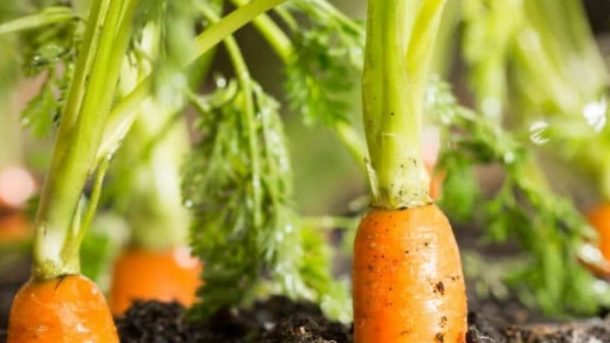
Simple method to prepare the soil for growing healthy carrot is:
Create a deep soil bed with a depth of 10-12 inches. Fertilize the soil with phosphorus. Balance the pH of the soil (6.2-6.8). Keep the soil moist enough for the plants to perform better. Cover the exposed part of the carrots with mound soil or mulch. Treat the soil with recommended fungicides to avoid the occurrence of soil pests.
What impact does farming have on soil health?

Farmers often add nutrients to the soil to improve crop yields. However, some of these nutrients and fertilizers can affect the micro-organisms in the soil’s ability to produce natural compounds the crops need. While soil loss has improved greatly since the 1980s, farming still leads to loss of soil, due to processes like clearing trees and plowing. The last way farming impacts soil is through overgrazing. When animals eat large amounts of the natural vegetation, soil wash or blow away. Extreme overgrazing can even lead to desertification or expansion of desert conditions.
How to control soil pollution through farming methods ?
Soil pollution can be controlled by reducing the use of pesticides. Cropping techniques should be improved to prevent growth of weeds. Controlled grazing and forest management helps in reducing the pollution. Practice of afforestation and reforestation helps in protecting soil health. Planning of soil binding grasses along banks and slopes prone to rapid erosion.
How land preparation is done for groundnut cultivation?
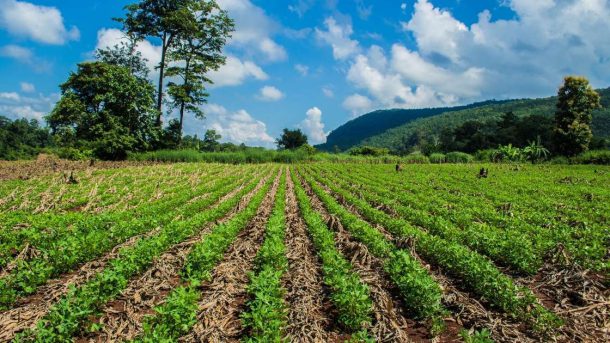
Plough with tractor disc followed by harrow, once or twice with iron plough or three to four times with country plough, until all clods are broken and a good tilth is achieved. Once every three years, chisel the soils with hard pan formation at shallow depth using a chisel plough, first in one direction and then in the direction perpendicular to the previous one. In addition to chiselling, apply 12.5 t/ha FYM or composted coir pith.
What type of soil is required for cultivating jute ?
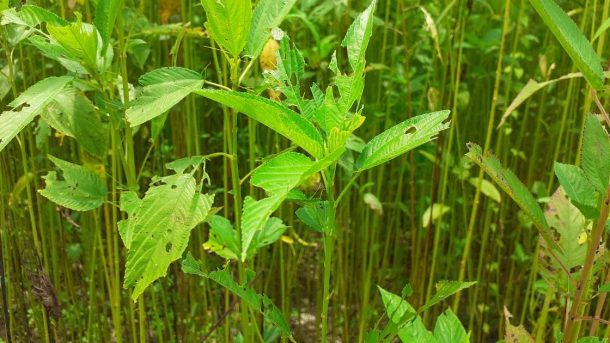
Jute production thrives in alluvial sandy loam and clay loamy soils. Capsularis jute can grow in standing water, especially at the end of its life cycle. In standing water, Olitorius jute will not grow. Because it is more drought resistant, it is planted in lighter soils.
What is the soil and climate requirement for tea?
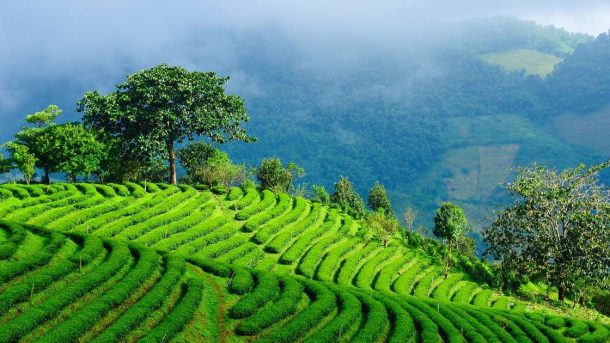
Tea requires well drained soil with high amount of organic matter and pH 4.5 to 5.5. The performance of tea is excellent at elevations ranging from 1000 – 2500 m.Optimum temperature: 20 – 270 C.
What is the significance of banyan tree soil?

Banyan tree soil helps in improving agriculture soil due to having heavy micro biomass. Banyan tree is home to many birds and animals. Where they release the excreta and soil is undisturbed. This soil contains huge amount of microbes i.e. bacteria, fungus etc. These microbes release plant growth promoters , minerals , cellulose decomposers , antibiotic substrates and keep the soil fertile.
How land preparation is done for rainfed rice ?

Prepare the field with the first summer rains. Plough the field thoroughly. Use the disc harrow a total of two times. Apply 10 t/ha of farmyard manure. Lime should be applied every three years. After soil testing, determine the dosage. Lime will be applied in the furrows, which will lower the amount of lime required. Before sowing, make sure the field is properly levelled. Make 25cm-distance rows that are uniform. To make shallow furrows, use a row marker (rows). Before planting, mix in a base dose of fertiliser (20 kg N, 60 kg P, 40 kg K/ha) and carbofuran granule (1 kg a.i./ha) in the furrows.
What is soil electrical conductivity(EC)?
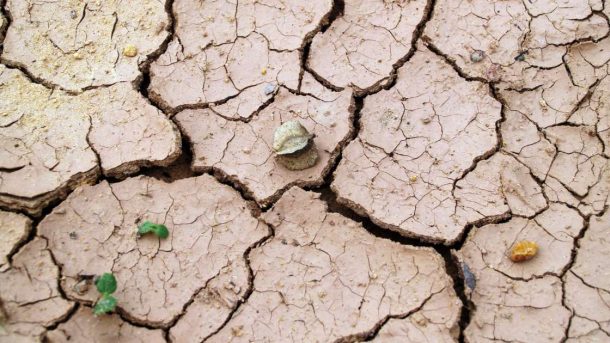
Soil electrical conductivity (EC) is a metric for how much salt is in the soil (salinity). It’s a good indicator of nutrient availability and loss, as well as soil texture and water capacity. It has an impact on crop yields, soil suitability for certain crops, the amount of water and nutrients available for plant use, and the activity of soil microorganisms, all of which influence essential soil processes including greenhouse gas emissions, such as nitrogen oxides, methane, and carbon dioxide.