Soil

What are the issues related to social inequality and marginalized communities in the agricultural value chain?

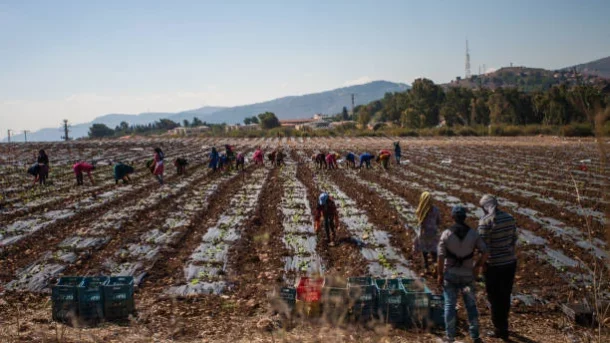
Several crucial problems are spawned by social inequality and the exclusion of communities from the agricultural value chain:-

Limited Access to Resources: Communities on the margins frequently encounter obstacles when trying to obtain basic resources including land, water, financing, and sophisticated agricultural supplies. Lower yields and income levels result from their inability to engage in productive and sustainable agricultural practices due to a lack of access to these resources.

Land Tenure and Ownership: In many areas, marginalized populations face difficulties gaining rights to land tenure and ownership. Their fragility and lack of control over agricultural land is a result of dispossession, land grabbing, and discriminatory land policy, which feeds a cycle of poverty and marginalization.

Gender Inequality: Women in rural and underprivileged areas frequently encounter barriers based on their gender while trying to access resources, positions of authority, and financial opportunities within the agricultural value chain. Their access to education and training as well as their participation in farming operations may be restricted by gender-based discrimination.

Lack of Representation and Participation: Marginalized communities frequently have little representation in and little involvement in policy, rural development, and agriculture-related decision-making processes. Because of this exclusion, policies may not appropriately address their special requirements and difficulties.

How does the absence of effective land-use planning and zoning policies impact sustainable agriculture?

land-use

Encroachment on Agricultural Land: Without adequate land-use planning and zoning, infrastructure projects, industrial operations, and urban expansion may all encroach on agricultural land. This causes fertile farmland to be converted to non-agricultural uses, resulting in the loss of important agricultural resources and a reduction in the amount of land available for sustainable farming methods.

Agriculture land fragmentation: Without defined land-use planning guidelines, agricultural land may be split into smaller portions as a result of unplanned urban growth or property subdivision. Farming operations are hindered by fragmentation, which also diminishes economies of scale and restricts the adoption of sustainable land management techniques.

Soil Degradation and Loss: Poor land-use planning can lead to land practices that are not sustainable, such as excessive use of chemical fertilizers, poor irrigation techniques, and insufficient soil conservation measures. This can endanger the long-term productivity and sustainability of agricultural land by causing soil erosion, nutrient depletion, and soil fertility loss.

Impacts on the Environment: Poor land-use planning can result in ecosystem harm and environmental deterioration. The danger of contamination from urban runoff, industrial pollutants, and chemical inputs can rise if there are insufficient buffer zones between agricultural and non-agricultural regions. The health of the environment, biodiversity, and water quality may all be negatively impacted by this.

How does the limited access to affordable and environmentally friendly farm inputs hinder sustainable agriculture?

farm inputs

Sustainable agriculture may be hampered by the restricted availability of inexpensive and ecologically acceptable farm inputs in a number of ways:

Restricted Adoption of Sustainable Practises: Environmentally friendly inputs including organic fertilisers, biopesticides, and biological control agents are frequently needed in sustainable agriculture. Farmers may, however, turn to traditional inputs that might have detrimental environmental effects, including synthetic fertilisers and chemical pesticides, if these inputs are not easily accessible or reasonably priced. Farmers’ inability to adopt and put into practise sustainable practices is hampered by limited availability to sustainable inputs, which jeopardises agriculture’s overall sustainability.

Degradation of the soil and nutrient imbalance: Sustainable agriculture emphasises the need of preserving the fertility and health of the soil. Farmers may, however, significantly rely on synthetic fertilizers if they don’t have access to inexpensive organic fertilizers and soil amendments.

Increased Production prices: Compared to conventional inputs, environmentally friendly inputs like organic fertilizers or biological pest control agents may have higher upfront prices. Farmers’ production costs may rise as a result of limited access to inexpensive solutions, making sustainable practices unprofitable. The adoption of sustainable farming practices by farmers may be discouraged as a result, and the shift to more environmentally friendly production systems may be hampered.

Dependence on External Inputs: A cycle of dependence on external inputs can be sustained by limited availability to inexpensive and sustainable farm inputs. Due to increased reliance on pricey synthetic fertilisers, toxic pesticides, and other external inputs, farmers may experience greater production costs, decreased profitability, and increased market vulnerability. Additionally, it hinders the capacity of farmers to build resilience and self-sufficiency within their farming systems.

What are the issues related to food security and nutrition in the context of agriculture?

food security

Inadequate production and distribution: Agriculture is a key component of food production, although productivity can be hampered by issues including poor access to resources, land degradation, and climate change. Food shortages and food insecurity may result from inadequate agricultural production. Additionally, ineffective food distribution methods and restrictions to market access can lead to uneven food distribution, aggravating problems with nutrition and food security.

Lack of availability to wholesome food: Even in situations where food is readily available, many people experience difficulties obtaining a variety of wholesome foods. The ability of individuals to acquire and receive wholesome food may be hampered by poverty, income disparity, and restricted access to markets.

Micronutrient deficiencies and malnutrition: Malnutrition includes both overeating and undereating. Inadequate nutrient and calorie intake can lead to undernutrition, which includes stunting, wasting, and underweight. Contrarily, overnutrition refers to the excessive ingestion of calories, which frequently leads to obesity and non-communicable diseases associated with diet. Deficiencies in micronutrients, such as a lack of vitamins and minerals, are another major obstacle to proper nutrition. These types of malnutrition and deficits in micronutrients can be attributed to inadequate availability to a variety of nourishing foods.

Unsustainable agricultural practices: Some agricultural methods, particularly extensive monoculture farming, excessive pesticide usage, and poor land management, can have a negative impact on nutrition and food security. These actions may result in soil degradation, biodiversity loss, and water resource contamination.

What are the problems caused by the overuse and mismanagement of water resources in agriculture?

overuse

Water scarcity: Agriculture uses a lot of water, and when water supplies are depleted due to overuse in farming, there will be less water available. The depletion of aquifers, reduced river flows, and the drying up of lakes and wetlands can be caused by excessive groundwater pumping, excessive irrigation, and ineffective water management techniques. Water scarcity affects the sustainability of water supplies, poses problems for farmers in irrigated areas, and limits the amount of water available to other industries and ecosystems.

Reduced water quality: Poor agricultural water management techniques, such as overusing pesticides and fertilizers, can cause water pollution. Eutrophication, algal blooms, and water quality degradation can result from sediment, nutrients, and chemical residues carried by runoff from agricultural areas.

Soil salinization: The buildup of salts in the soil decreases its fertility and agricultural output. Over-irrigation and inadequate drainage practices might be contributing factors. In dry and semi-arid areas, when evaporation rates are higher than rainfall and salts are left in the soil, salinization is particularly prevalent. Plant development is restricted by salinization, which also necessitates expensive and labor-intensive procedures to reclaim and rehabilitate impacted soils.

Groundwater depletion: In places with a shortage of surface water supplies, agriculture heavily depends on groundwater for irrigation. Aquifers may be drained by over pumping groundwater for agricultural purposes. Aquifers become dry, the water table falls, and farmers find it challenging to acquire water for irrigation.

What are the issues related to land degradation and deforestation in the agriculture sector?

deforestation

Erosion and deterioration of the soil can be caused by unsustainable agricultural practices such excessive tilling, misuse of chemical fertilizers and pesticides, and improper irrigation management. Erosion depletes the soil’s productivity and nutrient content by removing the top fertile layer. Farmers and food production are faced with difficulties due to degraded soils, which raise input costs and reduce crop yields.

Loss of biodiversity: Habitat destruction and biodiversity loss are caused by agricultural land degradation and deforestation. Plant and animal species, particularly those necessary for pollination, pest management, and ecosystem balance, are lost when natural ecosystems like forests, grasslands, and wetlands are converted into agricultural land. This decline in biodiversity may interfere with ecosystem functions and have adverse effects.

Agriculture is a large user of water resources, contributing to their depletion. Water resource depletion may result from unsustainable agricultural practices like excessive irrigation and poor water management. Aquifers can be depleted, rivers and streams can dry up, and there will be less water available for ecosystems and other industries as a result of excessive water consumption. The yields of crops and agricultural productivity can be directly impacted by water constraint.

Emissions of greenhouse gases: Deforestation, especially when done to make room for more farmland, increases greenhouse gas emissions, which primarily take the form of carbon dioxide (CO2). The destruction of vegetation and trees releases carbon that has been stored there into the atmosphere. Additionally, methane (CH4) and nitrous oxide (N2O) are released through agricultural operations including burning crop leftovers and overusing synthetic fertilizers.

What are the problems caused by inadequate access to affordable and reliable agricultural inputs and services?

inputs

Reduced productivity: Farmers’ capacity to maximize crop yields may be constrained by a lack of availability to high-quality seeds, fertilizers, insecticides, and other inputs. Farmers might find it difficult to control pests, illnesses, and nutritional deficiencies without the right tools, which would limit productivity and cause crop losses.

Reduced profitability: Farmers’ profitability may suffer from a lack of inexpensive access to agricultural inputs, which may raise production costs. Increased costs for seeds, fertilizer, and equipment, together with a lack of credit and insurance options, can make farming less profitable, especially for smallholder farmers.

Food insecurity: The availability and production of food can be hampered by inadequate access to agricultural inputs and services. Both rural and urban people may experience food shortages and higher prices as a result of inadequate agricultural yields and worse quality harvests. Food insecurity may be made worse by this circumstance, especially in areas that depend largely on agriculture.

Environmental impact: Farmers may turn to unsustainable practices, such as excessive use of chemical inputs or ineffective irrigation techniques, if they lack consistent access to appropriate inputs and services. These actions may have a negative effect on the environment and long-term agricultural viability by causing soil degradation, water pollution, and biodiversity loss.

What are the issues related to conflicts over land ownership and natural resource rights in the agricultural sector?

conflicts

Displacement and loss of livelihoods: Local communities, particularly indigenous peoples and small-scale farmers, may be displaced as a result of land conflicts. The loss of traditional knowledge, cultural heritage, and social cohesion results from displacement, which also upends their way of life and means they can no longer support themselves. Communities that have been displaced frequently struggle to find new sources of income, which exacerbates poverty and food insecurity.

Uneven resource distribution: Conflicts over land can result from the unfair allocation of land and other resources. Smallholder farmers and indigenous groups may be marginalized if land is concentrated in the hands of a small number of large, powerful organizations or agribusinesses. Inequalities in agricultural access to resources like water, forests, and grazing grounds accentuate socioeconomic disparities and continue to exist.

Conflicts over ownership of land and resources can result in the unsustainable exploitation of natural resources, which harms the environment and depletes natural resources. Multiple parties claiming ownership of the same land or resources can lead to resource depletion, inappropriate land management, and excessive use. Some of the environmental effects of disputes over land and resource rights include deforestation, soil erosion, water pollution, and biodiversity loss.

Violence and insecurity: Land disputes can deteriorate into hostile environments. Conflicting interests, dynamics of power, and long-standing socio-political conflicts are frequently present in disputes over land ownership and resource rights. In extreme circumstances, this can result in violent land-related disputes, endangering the life and well-being of the parties involved as well as their communities.

How does the absence of social and environmental standards impact the sustainability of agricultural production?

environmental

Degradation of the environment: Outdated methods and tools might not put environmental sustainability first. Agrochemical overuse, inappropriate waste management techniques, and poor soil management can all contribute to environmental deterioration in the form of biodiversity loss, soil erosion, and water contamination. These problems endanger ecosystems, but they also jeopardize the sustainability of agricultural systems in the long run.

Reduced profitability: The profitability of farming operations can be directly impacted by inefficient techniques. Farmers may experience fewer profitability as a result of increased input costs, decreasing yields, and deteriorated product quality. In addition to limiting the capacity of farmers to add value to their products, diversify into higher-value crops or products, or get access to premium markets, outdated technologies can also negatively affect farmers’ profitability.

Loss of ecosystem services: Agricultural output depends on a number of ecosystem services offered by natural ecosystems, including pollination, insect control, and nutrient cycling. Deforestation, wetland drainage, and other unsustainable land-use practices might cause these ecosystems to be destroyed in the absence of environmental restrictions. As a result, the loss of ecosystem services may have a detrimental effect on agricultural resilience and productivity, increasing farmers’ dependency on outside inputs and lowering the sector’s overall sustainability.

Social and labor issues: In the agriculture industry, a lack of social standards can result in abusive labor practices, hazardous working conditions, and worker rights violations. Farm workers may be exploited as a result, which could lead to low pay, lengthy hours, little social security, limited access to healthcare, and other problems.

What are the problems caused by inefficient and outdated agricultural practices and technologies?

inefficient

Low productivity: Low agricultural production is frequently the result of out-of-date methods and equipment. The amount of land that can be farmed, the yield per unit area, and the overall crop production can all be affected by inefficient farming techniques like manual labor or crude tools. This makes it more difficult for farmers to satisfy the rising demands for food, feed, and fiber.

Waste of resources: Ineffective procedures can result in the loss of priceless resources including energy, water, land, and fertilizers. Poor irrigation practices, erroneous fertilizer application, and ineffective pest control tactics can waste inputs and increase production costs. They can also deplete resources and degrade the environment.

Degradation of the environment: Outdated methods and tools might not put environmental sustainability first. Agrochemical overuse, inappropriate waste management techniques, and poor soil management can all contribute to environmental deterioration in the form of biodiversity loss, soil erosion, and water contamination. These problems endanger ecosystems, but they also jeopardize the sustainability of agricultural systems in the long run.

Reduced profitability: The profitability of farming operations can be directly impacted by inefficient techniques. Farmers may experience fewer profitability as a result of increased input costs, decreasing yields, and deteriorated product quality. In addition to limiting the capacity of farmers to add value to their products, diversify into higher-value crops or products, or get access to premium markets, outdated technologies can also negatively affect farmers’ profitability.