Plant diseases

What are the effects of rainfall patterns on agriculture?

rainfall patterns

Crop Growth and Yields: For crops to grow and yield, there must be sufficient and evenly distributed rainfall. Water from rainfall patterns is crucial for plants to use for physiological functions including photosynthesis and nitrogen uptake. Reduced crop yields, water stress, and stunted development can all be effects of insufficient rainfall. On the other hand, heavy rainfall can reduce agricultural output by resulting in waterlogging, root damage, and increased susceptibility to diseases.

Needs for irrigation and soil moisture are determined by rainfall patterns, which are essential for crop development. Rainfall that is regular and moderate refills the moisture in the soil, creating ideal circumstances for plant growth. Farmers may need to supplement irrigation in areas with insufficient rainfall to meet crop water needs. Care must be taken since irregular or erratic rainfall patterns can result in unequal soil moisture distribution.

Water Stress and Drought: Prolonged dry spells can result from insufficient precipitation. Droughts can seriously affect agriculture, leading to crop failures, decreased yields, and financial losses. Drought-induced water stress can alter plant physiology and cause wilting, leaf senescence, and decreased nutrient uptake. Crop varieties that can withstand droughts and effective irrigation techniques can lessen the effects of water constraint.

Decisions Regarding Planting and Harvesting: Farmers base their planting and harvesting decisions on rainfall patterns. To choose the best time to sow various crops, they take into account the start and length of rainy seasons. Rainfall that is irregular or late can delay planting, which will have an impact on crop growth and yields. Similar to how weather patterns during harvest might affect harvesting activities and post-harvest processing procedures.
Are there any alternatives to chemical fertilizers that can be used in agriculture?

Organic Fertilizers: Organic fertilizers are made from organic waste, compost, animal dung, and other naturally occurring elements. They enhance soil structure and organic matter levels while gradually releasing nutrients. Numerous nutrients, including as nitrogen, phosphorous, potassium, and micronutrients, are offered by organic fertilizers. They also support advantageous soil microbial populations and improve the long-term fertility of the soil.

Crops known as “cover crops” are raised largely for the purpose of enhancing and defending the soil. They are planted as a crop rotation or in between main crop seasons. Increased organic matter content, improved soil structure, and decreased soil erosion are all benefits of cover crops. Nitrogen is especially released when cover crops are absorbed into the soil, making it available for succeeding crops.

Crop rotation is the process of gradually changing the crops that are cultivated in a given region. It improves soil fertility, lessens nutritional imbalances, and aids in breaking pest and disease cycles. Because different crops have different fertilizer needs, nutrient demands can be better controlled by rotating crops. For instance, legume plants may fix nitrogen from the air, lowering the demand for nitrogen fertilizers in ensuing crops.

Green manure: Growing particular plants, primarily legumes, and then integrating them into the soil while they are still green and actively growing is referred to as this method. Green manure crops enrich the soil with organic matter, enhance soil structure, and release nutrients as they break down. For following crops, they can act as a supply of nitrogen and other nutrients.

What are beneficial organisms in agriculture and why are they important?

Bees, butterflies, birds, and other pollinators are essential for flowering plants to reproduce. They make it easier for pollen to go from male to female floral components, which results in fertilization and the growth of fruits and seeds. For the reproduction of many crop plants, such as fruits, vegetables, and nuts, pollinators are crucial. Crop yields would be much lower without sufficient pollination.

Predatory insects: Pest insects that harm crops are eaten by predatory insects like ladybugs, lacewings, and predatory wasps. They serve as natural predators, reducing populations of pests including aphids, mites, and caterpillars. Predatory insects help integrated pest management (IPM) systems by preying on pests, minimizing the need for chemical pesticides and fostering sustainable pest control.

The small parasitoid wasps that lay their eggs inside or on the bodies of problem insects are known as parasitoid wasps. The host insect is consumed as the wasp larvae develop, ultimately killing it. Aphids, caterpillars, and flies are just a few of the pests that these natural enemies prey upon. Parasitoid wasp populations can be managed and effectively controlled biologically by their existence.

Beneficial soil microorganisms, including bacteria, fungus, and protozoa, are essential for the breakdown of organic matter, the cycling of nutrients, and the general health of the soil. They aid in the decomposition of organic matter, providing nutrients necessary for plant growth. Some soil bacteria also establish advantageous connections with plant roots that help the plants absorb nutrients and become more resistant to diseases and environmental challenges.

What are the current advancements in seed technology, such as marker-assisted breeding or gene editing, and their potential impact on agriculture?

breeding

Marker-assisted breeding (MAB) is a process that involves utilizing DNA markers to more quickly select plants with desired features. DNA markers are distinct areas of the genome linked to an important feature. Breeders can screen a huge number of plants and choose the ones that have the required features by recognizing these markers. By requiring less time and money to create new types, this technique expedites the breeding process. MAB can aid in the creation of crops that have increased yield, disease resistance, abiotic stress tolerance, and other desired features.

Techniques for gene editing (like CRISPR-Cas9): Gene editing enables precise alterations to a plant’s DNA sequence.
RNA interference (RNAi) is a biological technique that can be used to silence particular plant genes. RNAi controls gene expression by introducing tiny RNA molecules that target particular gene sequences, which may enhance desired features or reduce undesirable ones. Using RNAi-based techniques, it is possible to create crops with improved post-harvest attributes, increased nutritional value, and increased insect resistance.

Utilizing genomic data to forecast an animal’s or plant’s performance is known as genomic selection. Breeders can more precisely choose individuals with desired features for breeding by studying an organism’s full genome, including DNA markers linked to significant traits. Genomic selection makes selection more accurate and effective, which speeds up genetic progress and leads to the creation of superior kinds.

How can farmers implement seed saving techniques to promote biodiversity and sustainability?

saving

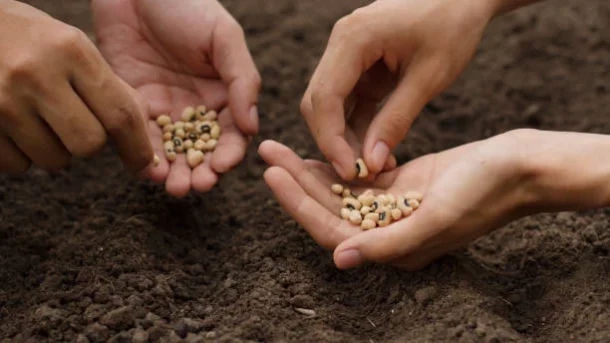
Choose heirloom or open-pollinated varieties: Heirloom and open-pollinated types yield seeds that will develop into plants with traits resembling the parent plant. Because their seeds may be trustworthily preserved and replanted to preserve the desired qualities over generations, these types are excellent for seed saving.

Choose the right plants to save seeds from: For seed saving, pick plants that are robust, healthy, and have the features you want. Choose plants with characteristics that are significant to you, such as disease resistance, yield, flavor, or any other quality. Selecting plants with disease symptoms or low performance is a bad idea.

Eliminate and prevent cross-pollination: Some plant species are susceptible to this process, in which pollen from various kinds combines and produces hybrid seeds. Place physical barriers like nets, cages, or distances between plants to prevent cross-pollination in order to preserve the integrity of the stored seeds.

It is best to wait until the seeds are fully developed and dried on the plant before harvesting them. Immature seeds may not germinate, thus it is best to let them dry on the plant until they are at their ideal age. When the seeds are ready and dry, keep an eye on the plant and harvest them.

How do hybrid seeds differ from open-pollinated seeds, and what are the advantages and disadvantages of each?

open-pollinated

Hybrid seeds are created by open-pollinated two separate parent plants that have desirable characteristics. The resulting hybrid seeds have unique traits that come from both parents. To obtain desirable features like increased yield, disease resistance, or uniformity, the hybridization process is meticulously managed.

Benefits of hybrid seeds include:

Increased productivity: Compared to open-pollinated seeds, hybrid seeds frequently display hybrid vigor or heterosis, which leads to larger yields.
Improved characteristics: Hybrids are produced to have particular characteristics like disease resistance, consistency in size, shape, or color, and higher environmental tolerance.
Hybrid plants typically exhibit more consistent development, maturity, and other traits, which can be helpful for farming and harvesting with machinery.
Hybrids typically perform better than open-pollinated seeds in terms of consistency.
Hybrid seed disadvantages include:

Dependence on seed suppliers: Because hybrid seeds do not produce true-to-type progeny, they cannot be kept and sown for consecutive seasons. Each planting season, farmers must buy hybrid seeds, which can raise output expenses.
Limited genetic diversity: The particular parent lines employed in the creation of hybrid seeds frequently determine the genetic make-up of those seeds. They may be more susceptible to specific pests, illnesses, or environmental changes as a result of their decreased genetic variety.
Less adaptability: Hybrid seeds are frequently developed for certain growing conditions or habitats. If the circumstances are drastically different from the target setting, they could not perform as well.
Breeding complexity: Creating hybrid seeds involves specialized breeding methods and knowledge, which may restrict their availability and raise their price in comparison to other types of seeds.

What is the significance of seed treatment methods in enhancing crop productivity?

seed treatment methods

Pest and disease management: seed treatment methods can aid in the defense of seeds and young seedlings against a variety of pests and diseases. Crops can suffer severe harm from seed-borne diseases and insect pests, which can result in decreased germination, subpar stand establishment, and lower yields. Applying fungicides, insecticides, or biological agents to the seeds as seed treatment methods can help suppress or manage these infections and pests. Seed treatments help crops grow healthier and more vigorously by defending the seeds during the crucial early stages.

Improvements in germination rates and early seedling vigor can be attained through seed treatments. Certain seed treatments can help seeds germinate more quickly and uniformly by breaking dormancy, enhancing imbibition, and providing vital nutrients or growth stimulants.

Accessibility and Uptake of Nutrients: Some seed treatments contain nutrients or biostimulants that enhance the accessibility and uptake of nutrients by the sprouting seedlings. Improved crop productivity can result from these treatments, which can promote early root formation, nutrient absorption, and overall plant growth.

Environmental Stress Resistance: Seed treatments can provide resistance to environmental conditions including drought, heat, or cold. They might contain elements that encourage increased resistance to these stresses, improving the plant’s capacity to tolerate challenging circumstances and minimizing yield losses.

How can farmers ensure the quality and purity of seeds before planting?

quality and purity

Buy seeds from dependable vendors: It’s critical to purchase seeds from dependable, accredited seed suppliers. These suppliers follow quality guidelines and offer seeds that have undergone testing and been found to be of high quality and purity. Look for seed businesses that have a history of generating high-quality seeds and a solid track record of delivering on their promises.

Examine the seed labels and packaging to make sure they include comprehensive information about the seed variety, origin, germination rate, purity, and any treatments or coatings used on the seeds. The name and contact details of the seed source should also be on the label. Make sure the packing is complete and sealed properly.

Seek out certification and quality assurance; Certified seeds have undergone stringent quality testing and have proven to meet the requirements of seed certification organizations. Check to determine whether the seeds have any quality and purity assurance certifications or are certified by a reputable organization. By being certified, seeds are guaranteed to have undergone purity, germination, and contamination or disease testing.

Simple germination tests can be carried out by farmers to determine the viability and germination rate of the seeds. Take a sample of the seeds, and then follow the correct germination protocols, such as offering the right amount of moisture and heat. Keep track of the percentage of seeds that sprout within a certain amount of time. Poor seed quality may be indicated by a low germination rate.

What are the key factors to consider when selecting seeds for different crops?

selecting seeds

Climate and Growing Conditions: Each crop has unique environmental and climate needs. Take into account the growing season length, humidity, rainfall, and temperature in your area. To increase the likelihood that your seeds will germinate and grow well, selecting seeds that are well adapted to your region’s climate.

In order to grow a given crop, selecting seeds that are resistant to typical diseases and pests that harm that crop. The need of chemical interventions can be minimized with the use of disease-resistant seedlings.

Yield and Productivity: Take into account the crop variety you are choosing’s potential yield and productivity. Look for seeds that have a history of consistently producing good yields. Frequently, seed catalogs or regional agricultural extension offices will have this information.

Maturity Period: The time from planting to harvest is referred to as a crop’s maturity period. Choose seeds with a maturation duration that corresponds with the length of your growing season. By doing this, you can be confident that the crop will have enough time to mature and yield a harvest before bad weather conditions appear.

Quality and Viability: Pick seeds with a high level of both quality and viability. Examine elements including seed uniformity, color, and size. To retain the seeds’ viability, make sure they are properly stored and are not old.

Desired Traits: Take into account any particular traits or qualities you are trying to find in your crop. This may involve elements like flavor, color, texture, or particular nutritional characteristics. The flavor, look, and nutritional content of different seed kinds might vary.

How does the lack of capacity-building and training opportunities hinder farmers’ skills development?

capacity-building and training opportunities

The growth of farmers’ skills and their potential to enhance agricultural practices can be severely hampered by a lack of capacity-building and training opportunities. The following are some difficulties that the lack of such possibilities may cause:

Limited Technical Skills and Knowledge: capacity-building and training opportunities give farmers the technical know-how they need to embrace modern farming methods, increase production, and improve sustainability. Without access to training, farmers can rely on old-fashioned practises that reduce yields, waste resources, and make them more susceptible to pests, illnesses, and climate-related problems.

Inadequate Adoption of Best Practices: Training programmes give farmers information on the best practices for managing crops, maintaining healthy soil, controlling pests and diseases, conserving water, and handling produce after harvest. Without sufficient instruction,

Limited Knowledge of Market Dynamics: Training programmes give farmers information on market trends, consumer preferences, dynamics of the value chain, and quality requirements. With the use of this information, farmers may make well-informed choices, adjust their production to market needs, and take advantage of better market prospects. Farmers may lack market information in the absence of training, which makes it difficult for them to advertise their goods and set competitive prices.