Pests

 What are the challenges and benefits of transitioning to organic farming?

transitioning to organic farming

Converting to organic farming has advantages and challenges. An outline of the difficulties and advantages of the transitioning to organic farming is given below:

Transitioning to organic farming has its challenges.

Transitional period: Farmers must follow organic practices during this time without being able to name their produce as organic in order to receive organic certification. Typically, this transition period lasts several years, during which farmers could experience difficulties with their finances and market accessibility.

Acquiring new information and skills: Making the switch to organic farming frequently calls for farmers to do so. The methods used in organic farming may be very different from those used in conventional farming, therefore farmers must become familiar with organic soil fertility management, pest and disease control, weed management, and certification standards.

Variability in yield: As the soil acclimates to organic farming methods during the early transition period, farmers may encounter variability in yield. As the soil regains its health and fertility through organic methods, temporary yield losses may happen. This problem can be reduced with good planning, soil management, and agronomic techniques.

Management of pests and diseases: Integrated pest management (IPM) techniques and organic pest control approaches are used in organic farming. Without synthetic drugs, controlling pests and illnesses can be more difficult and may call for a deep understanding of crop dynamics, pest life cycles, and ecological relationships.

How does organic farming minimize the use of synthetic inputs?

synthetic inputs

By employing certain techniques and guiding principles that give natural and organic alternatives priority, organic farming reduces the usage of synthetic inputs. The following is how organic farming does this:

Natural pest and disease management: Rather than relying on synthetic chemical pesticides, organic farmers put their attention on naturally preventing and controlling pests and illnesses. Crop rotation, intercropping, biological management (using helpful insects or predators), physical barriers, and the choice of pest-resistant varieties are a few examples of these techniques. Organic farmers are able to effectively control pests and diseases without the use of synthetic chemicals by fostering biodiversity and implementing these integrated pest management (IPM) techniques.

Management of soil fertility: Organic farmers use natural sources of nutrients to feed the soil rather than manufactured fertilizers. They use organic matter like compost, manure, or green manure, as well as techniques like crop rotation and cover crops. These organic inputs replace the nutrients in the soil, increase the amount of organic matter in the soil, strengthen soil structure, and promote the growth of beneficial soil microbes. This method decreases the requirement for synthetic fertilizers while promoting long-term soil fertility.

Weed control: Organic farmers use a variety of techniques rather than synthetic chemicals to control weeds. These strategies include cover crops, mechanical weed management (such as hand weeding, hoeing, or mulching), and precise cultivation methods. 

Genetic diversity and crop choice: The utilization of various crop rotations and the choice of plant types that are innately adapted to local conditions and have built-in resistance to pests and diseases are key components of organic farming. Organic farmers lessen their reliance on synthetic inputs by fostering genetic diversity, which also helps them grow resilient crops that are more resistant to pests and illnesses.

 How does regenerative agriculture promote soil health and biodiversity?

soil health and biodiversity

Regenerative agriculture is a method of farming that emphasizes improving ecosystem processes, such as soil health and biodiversity, and restoring them. It entails techniques that enhance soil organic matter, enhance soil structure, and support a variety of plant and animal life in harmony with natural systems. Here are some ways that regenerative agriculture encourages soil health and biodiversity:

Regenerative agriculture approaches place an emphasis on the use of cover crops, crop rotation, and little soil disturbance (such as no-till or reduced tillage). These techniques help to increase soil organic matter and carbon sequestration. By increasing the amount of plant leftovers that are introduced into the soil, these techniques improve soil organic matter buildup. Improved soil structure, water-holding capacity, nutrient retention, and microbial activity are all benefits of soil organic matter. A further benefit of increasing soil organic matter is the storage of carbon.

Cycling of nutrients and the soil microbiology are both supported by regenerative agriculture. A consistent source of organic matter and root exudates is provided through the use of cover crops and varied crop rotations, which in turn feed beneficial soil microbes. As a result of microbes decomposing organic materials and increasing the availability of nutrients to plants, this improves nutrient cycling. Improved soil fertility, disease prevention, and overall ecosystem resilience are all benefits of healthy soil microbiomes.

The maintenance of hedgerows, buffer strips, or diversified field edges, among other regenerative agricultural methods, creates homes for beneficial insects, pollinators, birds, and other species. These environments promote biodiversity and aid in environmental balance, pollination, and natural pest management. Agroecosystems that are more resilient and well-balanced are made possible by promoting natural biodiversity.

 What are the advantages of hydroponic farming?

farming

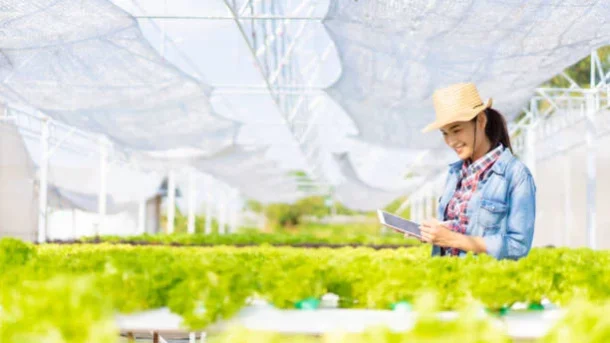
There are a number of benefits to hydroponic farming over conventional soil-based agriculture. The following are some major benefits of hydroponic farming:

Effective use of water: Compared to conventional soil-based agriculture, hydroponic systems significantly use less water because water is circulated inside the system. Because the water is fed directly to the plant roots, hydroponics can use up to 90% less water by reducing evaporation and runoff. Hydroponics’ regulated atmosphere also stops water from being wasted through overwatering or ineffective irrigation techniques.

Control of nutrients: In hydroponic farming, vital nutrients are dissolved in water and delivered right to the roots of the plants. This makes it possible to precisely manage the content, concentration, and pH levels of the nutrients, ensuring that plants get the right amount of nutrients for growth. 

Increased crop yields: Plants thrive under hydroponic systems’ perfect growing conditions. In comparison to conventional agriculture, plants can grow more quickly and create better yields with the proper ratio of nutrients, water, and sunshine. Hydroponics’ carefully regulated environment rids plants of soil-borne pathogens and pests, lowering crop losses and enabling them to grow to their full potential.

Hydroponic systems are created to make the most of available space. In contrast to conventional soil-based techniques, plants are grown vertically or closely together in these arrangements. Because of this, hydroponics is especially well suited for metropolitan settings or places where there is a shortage of available land. Hydroponics can grow more food with less space by stacking systems and utilizing vertical space.

How does precision agriculture help increase crop yields?

agriculture

Site-specific management: Precision agriculture collects comprehensive data about particular fields using technology like GPS, sensors, and remote sensing. These details cover crop health, soil properties, moisture content, and nutrient levels. Farmers may apply inputs (such water, fertilizer, and pesticides) precisely where and when they are required, maximizing their use and reducing waste, with the help of this data. Farmers may ensure that crops grow in the best conditions possible, increasing yields, by adjusting inputs to the unique needs of various places within a field.

Application at a variable rate: Farmers using precision agriculture can alter the pace of inputs in different parts of their fields in response to variations in the soil and crop conditions. Instead of evenly dosing insecticides or fertilizers over.

Remote sensing and images: Cutting-edge tools like drones and satellite imagery give farmers up-to-the-minute details on the health, growth, and stress levels of their crops. Farmers can identify early indications of crop illnesses, nutrient deficits, or water stress by studying this data. Farmers can take immediate action to solve these problems, reducing yield losses and maximizing crop productivity, with fast intervention and focused management strategies.

Systems for making decisions: Precision agriculture uses sophisticated systems for making decisions that combine information from many sources, including crop models, soil moisture sensors, and weather forecasts. These systems give farmers useful information and suggestions so they may choose wisely when it comes to planning irrigation schedules, managing nutrients, controlling pests, and planting techniques. Farmers may improve their methods and reduce risks by depending on data-driven decision-making, ultimately.

What is the primary goal of the National Mission on Agricultural Extension and Technology (NMAET)?

Agricultural Extension

The National Mission on Agricultural Extension and Technology (NMAET)’s main objectives are to improve agricultural extension services in India and encourage farmers to adopt cutting-edge agricultural technologies. Through efficient extension and technology distribution, the objective is to increase agricultural productivity, increase farmers’ income, and ensure sustainable agricultural growth.

The National Mission on Agricultural Extension and Technology’s main goals are as follows:

Enhancing the quality and scope of extension services will help NMAET achieve its goal of strengthening the current agricultural extension system. Enhancing the knowledge and abilities of extension staff, creating efficient communication channels, and employing information and communication technology (ICT) are all necessary to make it easier for farmers to receive agricultural information.

Dissemination and acceptance of technology: The objective is to encourage farmers to adopt cutting-edge agricultural technologies and best practices. By easing the flow of technology and knowledge from research centers to the field, it seeks to close the knowledge gap between farmers and academic institutions. Promoting the use of enhanced seeds, effective irrigation methods, crop management practices, mechanization, post-harvest technologies, and other innovations that help raise agricultural productivity and sustainability are a few examples of this.

NMAET places a strong emphasis on training and capacity development programs for farmers in order to improve their knowledge and abilities in contemporary agricultural methods. These training courses cover a wide range of subjects, such as methods for crop production, management of soil and water quality, control of pests and diseases, farm mechanization, value addition, and marketing tactics.

Increasing farmer empowerment through Farmer Producer Organizations (FPOs): To increase farmer empowerment, increase their negotiating power, and promote collective decision-making, the mission supports the development and strengthening of Farmer Producer Organizations (FPOs). Farmers can access inputs, loans, technology, and markets through FPOs, which helps to improve their socioeconomic circumstances.

Which government initiative focuses on promoting the cultivation of horticultural crops under protected cultivation?

horticultural crops

The “Mission for Integrated Development of Horticulture” (MIDH), a government project, promotes the growing of horticultural crops under protected cultivation. The Government of India has adopted the MIDH program, which is centrally supported, to encourage the sector’s overall growth and development, including the production of horticultural crops under protected conditions.

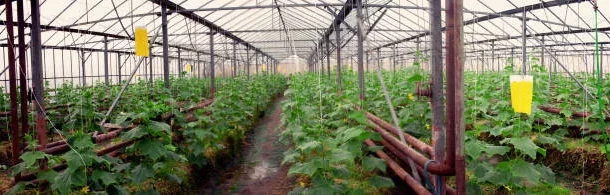
Farmers and business owners interested in horticulture, such as the cultivation of fruits, vegetables, flowers, spices, and medicinal plants, are given financial and technical support under the MIDH. The program encourages the use of protected farming techniques, which entail raising crops in tightly regulated spaces including polyhouses, greenhouses, screen houses, and shade nets. These shielded buildings offer protection from bad weather, pests, and diseases, allowing year-round production and better crop quality.

The particular elements and assistance offered by MIDH for protected horticulture may consist of:

Infrastructure improvement: The program provides funding for the building, enlargement, and modernization of protected structures such greenhouses, polyhouses, and shade nets. This covers assistance with the acquisition of supplies, the setup of irrigation systems, and the installation of required machinery.

Training and capacity building are important aspects of protected agriculture, and MIDH places a strong emphasis on them for farmers, business owners, and other stakeholders. Training courses are offered to improve participants’ knowledge of crop choices, cultivation methods, pest and disease control, and resource management.

Access to high-quality planting material is supported by the program, which includes enhanced varieties and hybrids appropriate for growing under protected conditions. 

Name a scheme that aims to promote the cultivation of cashew and provide support for cashew processing units.

cashew processing

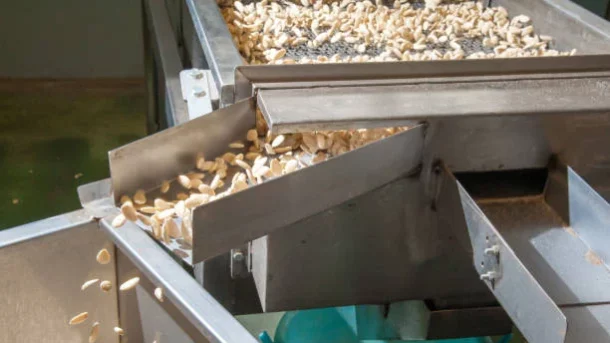
The “Mission for Integrated Development of Horticulture” (MIDH) is one program that attempts to support cashew processing facilities in India and encourage cashew processing farming. The Ministry of Agriculture and Farmers Welfare, Government of India, is responsible for carrying out the Mission for Integrated Development of Horticulture.

The Cashew Development Program’s main goals and initiatives typically consist of:

Promotion of Cashew Cultivation: The program’s main objective is to increase cashew production by giving farmers financial help, technical aid, and training. It involves assistance with the creation of fresh cashew orchards, the restoration of aged and underutilized orchards, the use of superior planting materials, and the adoption of best agricultural practices.

Training and Capacity Building: The initiative places a strong emphasis on training and capacity building programs for farmers growing cashews. It offers instruction on a variety of elements of cashew production, such as post-harvest management, irrigation management, planting methods, and pest and disease control.

Research and Development: The program funds initiatives for the production and processing of cashews. In order to create and spread better cashew varieties, crop management strategies, and processing methods, it encourages partnerships with research facilities, agricultural universities, and technology providers.

Which government initiative focuses on promoting the cultivation of aromatic rice varieties?

aromatic rice varieties

The “National Mission on Sustainable Agriculture” (NMSA), a government program, aims to encourage the production of fragrant aromatic rice varieties in India. The Department of Agriculture, Cooperation & Farmers Welfare, Ministry of Agriculture and Farmers Welfare, Government of India, is in charge of implementing the National Mission on Sustainable Agriculture.

Distribution of Seeds: The NMSA is in favor of providing farmers with high-quality seeds of aromatic rice types. In order to guarantee greater yields, better quality, and genetic integrity of aromatic rice crops, it stresses the use of certified and upgraded seeds.

Technical Assistance: The mission helps farmers grow aromatic rice varieties by offering advice and technical support. In order to promote optimal agricultural practices, water management, nutrition management, pest and disease control, and post-harvest management specifically for the cultivation of aromatic rice, this also involves training programs, demonstrations, and capacity building efforts.

Infrastructure Development: The NMSA is focused on creating the infrastructure required for the production of fragrant rice. To support the cultivation and post-harvest management of aromatic rice crops, this entails the establishment of irrigation systems, water management infrastructure, storage facilities, and other crucial infrastructure elements.

Market Linkages: The mission enables farmers who grow aromatic rice to connect with markets and gain access to markets. For aromatic rice varieties, it encourages value addition, market diversification, branding, and market intelligence, providing better market pricing and enhanced market opportunities for farmers.

What is the purpose of the National Mission on Agricultural Biosecurity (NMAB)?

Agricultural Biosecurity

The introduction and spread of pests, illnesses, and invasive species that pose dangers to agricultural crops, livestock, and the environment are prevented by agricultural biosecurity measures. They concentrate on monitoring, early identification, and efficient management techniques to stop and manage biosecurity concerns.

procedures to Control the Movement of Plants, Animals, and Agricultural Products Across Borders: These programs place a strong emphasis on the application of quarantine procedures and regulations. Quarantine procedures protect agricultural trade and output while preventing the spread of diseases and pests to new locations.

Agricultural biosecurity programs carry out risk assessments to pinpoint and weigh potential biosecurity threats to agriculture. To effectively minimize and manage these risks, they create risk management protocols and methods. This covers actions like monitoring for pests and diseases, surveillance networks, and emergency response systems.

Initiatives in agricultural biosecurity have a strong emphasis on capacity building and training programs to improve the expertise of those involved in agricultural production, extension services, regulatory bodies, and other pertinent organizations. Training initiatives seek to increase knowledge, strengthen surveillance capacities, and improve readiness and response for biosecurity threats.