Pests

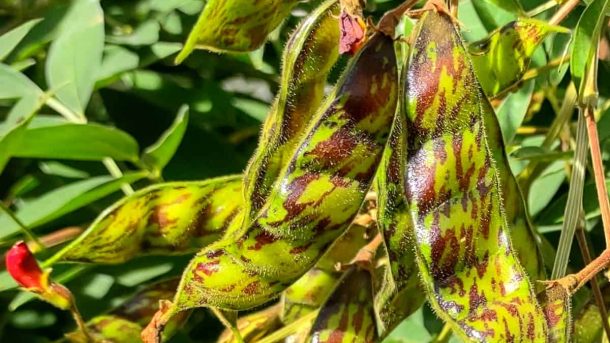
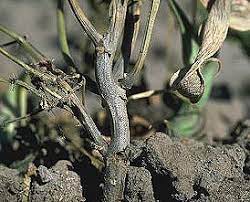
Ashy stem blight disease in Dolichos bean crop (Arka)

stem

Ashy stem blight is a common disease that affects Dolichos bean (Arka) crops. The disease is caused by the fungus Phomopsis vexans, which can infect the stems, leaves, and pods of the plant.

Symptoms of the disease include brown or black lesions on the stem, which can cause the stem to become brittle and break easily. The leaves may also develop yellow spots, and the pods may become discolored and deformed.

To control the spread of the disease, it is important to implement proper cultural practices such as crop rotation, removing infected plant debris, and avoiding overhead irrigation. Additionally, fungicides can be applied to help control the spread of the disease, with thiophanate methyl and vitavax reduced incidence significantly. Treating the seeds with captan, thiram or benlate is also helpful in reducing the disease( usually 3g/kg og seeds). Organic control implement by treating the seed with biocontrol agents like Trichoderma viride, Pseudomonas fluorescens and Bacillus subtilis show the results. 

How fumigation used in agriculture?

Fumigation

Fumigation is a pest control method used in agriculture to eliminate or control harmful insects, pathogens, and other pests that can damage crops. It involves the use of gaseous or vaporized chemicals, called fumigants, which are applied to soil or stored grain to kill or control pests.

There are different types of fumigation methods, each of which uses a specific type of fumigant and application method. Some common fumigants used in agriculture include methyl bromide, phosphine, and sulfuryl fluoride.

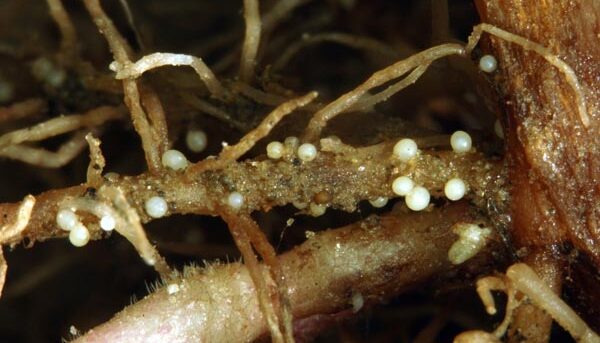
Soil fumigation is a common pest control method for crops such as strawberries, tomatoes, and peppers. The fumigant is applied to the soil before planting, and it penetrates the soil to kill pests that live in or on the soil, such as nematodes, root-knot nematodes, and fungal pathogens.

Grain fumigation is used to control pests in stored grain, such as grain bins or silos. The fumigant is introduced into the grain storage facility to eliminate insects and other pests that can infest and damage stored grain.

Fumigation is an effective pest control method, but it is also highly toxic and requires careful handling and application.

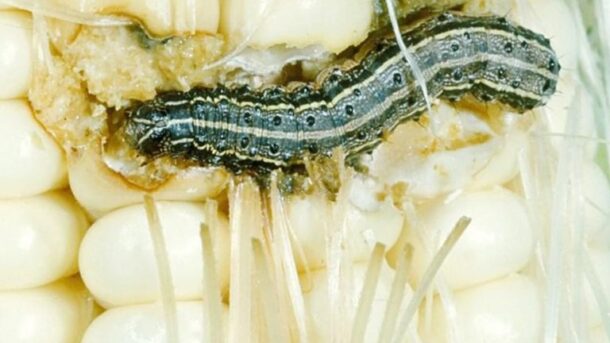
Invasive pest ( Four spotted fall armyworm) in maize crop

Invasive

The Four-spotted Fall Armyworm (Spodoptera frugiperda) is a highly invasive and destructive pest of maize (corn) crops. This caterpillar is known to feed on the leaves, stems, and ears of maize plants, causing extensive damage to the crop and reducing yields. In severe infestations, the pest can completely defoliate plants and even destroy entire fields.
The larva is brown in colour, dark pimple-like spots with hairs. Larval stage is about 12 to 20 days. This invasive polyphagous pest lays their eggs on the lower surface of the leaf in a bunch covering with silken thread. Young larvae scrap the epidermal layer of the leaf and feed chlorophyll contents. Bigger larvae feed on leaves by making uneven shot holes on the leaf and also enter into the cob and feed the developing grains. Saw-dust like excreta is seen near the leaf whorl. This caterpillar can do 34 to 50% damage to the maize crop.

What is the Soft rot or fruit rot in jackfruit?

jackfruit

Soft rot, also known as fruit rot, is a common problem that affects jackfruit trees. It is caused by various types of bacteria and fungi, including Erwinia carotovora, which thrive in warm and moist environments. Some of the common symptoms of soft rot in jackfruit include:

  • Decay of the fruit: The fruit begins to soften and develop a watery texture, with a foul odor.
  • Discoloration: The affected area of the fruit turns brown or black, and the surrounding skin becomes sunken and wrinkled.
  • Spread: The decay can spread quickly to other parts of the fruit and even to other fruits on the same tree.

To prevent soft rot in jackfruit, it is important to practice good agricultural practices, such as proper spacing of trees, proper pruning, and maintaining good soil drainage. Harvesting fruits when they are mature but still firm, and avoiding injury to the fruits during harvesting can also help prevent soft rot.

Infected fruits should be removed and disposed of promptly to prevent the spread of the disease. Proper sanitation, including cleaning and disinfecting tools and equipment, can also help to prevent the spread of bacteria and fungi.

If the problem is severe, chemical control with fungicides may be necessary. However, it is important to follow the label instructions carefully to ensure effective control and minimize potential harm to the environment and human health.

How aphids damage fennel farming?

aphids

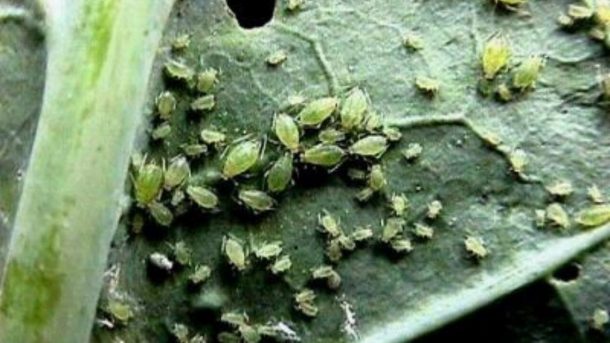
Aphids can damage fennel farming by feeding on the sap of fennel plants, causing stunted growth and wilting. They also secrete a sticky substance known as honeydew, which can promote the growth of sooty mold and attract other pests. 

In severe infestations, aphids can weaken the plants and reduce crop yields. To prevent aphid damage in fennel farming, spray dimethoate 30 EC @ 10 ml per 10 lit of water on 50 percent plants having flowering.The higher activity of honeybees is observed during 12 noon to up to 4.00 evening and hence avoid the spraying during this period.

Causes and treatment for Clove rot in garlic.

Clove rot

Clove rot is a fungal disease that affects garlic bulbs and can cause significant yield losses. The disease is caused by the fungus Fusarium oxysporum and is most commonly found in warm and humid growing conditions.

The following are some of the causes of clove rot in garlic:

  • Overwatering: Excessive moisture in the soil can lead to the development of clove rot.
  • Poor air circulation: Stagnant air can increase the humidity around the garlic bulbs and create an environment favorable for fungal growth.
  • Damaged cloves: Cloves that are damaged during harvesting or storage are more susceptible to clove rots.

To prevent and treat clove rot in garlic, it is important to follow these steps:

  • Proper storage: Store garlic bulbs in a cool, dry place to prevent the growth of fungi.
  • Good sanitation: Clean up any plant debris in and around the garlic beds to reduce the risk of disease.
  • Crop rotation: Planting garlic in the same area year after year can lead to the buildup of fungal pathogens in the soil.
  • Fungicide application: detected, fungicides such as captan or mancozeb can be used to control the spread of the disease.

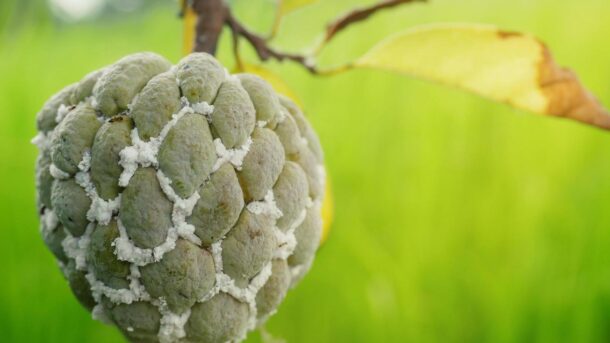
The infestation of Mealybugs in Custard Apple and treatment

Mealybugs

Mealybugs are a type of pest that can infest custard apples and other plants. They feed on the sap of the plant, causing damage to the foliage and fruit, and can also excrete a sticky substance called honeydew which can encourage the growth of sooty mold. 

To control mealybugs, you can try physically removing them by wiping them off with a cloth, or using insecticidal soap or neem oil. Spray BUPROFEZIN 25% SC @ 12 ml/15 lts of water along with a good quality sticker. 

It’s important to keep the plant free of dead leaves and debris, which can harbor the pests, and to monitor the plant regularly for signs of infestation.

Do you know how pod bugs damage red gram (Tur dal)?

damage

Pod borer insects can cause damage to red gram crops. These pests lay their eggs in the pods of the plant and when the larvae hatch, they feed on the seeds, reducing both the yield and quality of the harvest.To control these pests, farmers can use a combination of cultural, biological, and chemical methods, such as crop rotation, using resistant varieties, and applying insecticides

Application of Spinosad or imidacloprid gives control upon pod bug damage. Spraying of quinalphos 25% EC @ is effective against pod fly and pod borer. Spraying of effective molecule like Indoxacarb 14.5 SC % @ 300 ml/ha or Emamectin benzoate 5% SG @ 11 a.i gm/ha or Spinosad 45 SC @ 56-73 a.i gm/ha is effective against Pod borer complex. 

However, it’s important to implement integrated pest management practices to minimize the negative impact on the environment and human health.

Main Insect pest and their treatment in pigeon pea.

Rajendra Arhar

The main insect pests of pigeon pea and their treatments are: 

Pod borer (Maruca vitrata) and Leaf folder (Cnaphalocrocis medinalis): Chemical control with insecticides such as chlorantraniliprole, emamectin benzoate, or synthetic pyrethroids can be effective in controlling this pest and leaf folders.

Stem fly (Melanagromyza obtusa) and Shoot fly (Atherigona soccata): Crop rotation and the use of insecticides such as imidacloprid, lambda-cyhalothrin, and carbofuran can help manage this pest. 

Termites (Macrotermes spp.): Chemical control with insecticides such as chlorpyrifos or imidacloprid can be effective in controlling termites. Cultural practices such as crop residue removal and soil moisture maintenance can also aid in termite population reduction.

Aphids (Aphis craccivora): Aphids can be controlled by releasing natural enemies such as ladybirds and green lacewings, as well as using insecticides such as imidacloprid or acetamiprid

Thrips (Thrips palmi): The use of resistant varieties, the release of natural enemies such as predatory mites, and the application of insecticides such as spinosad or imidacloprid can all help control thrips.

Nematode elimination in soil by Oilcakes.

Oilcakes

Oilcakes have been shown to have some effectiveness in eliminating nematodes in soil. Nematodes are parasitic worms that feed on plant roots and can cause significant damage to crops.

One of the ways that oilcakes can help eliminate nematodes is through the release of natural compounds such as allelopathic compounds, which are toxic to nematodes and other pests. These compounds are released from the oilcake when it is decomposed by soil microbes.

Another way that oilcakes can help eliminate nematodes is by promoting the growth of beneficial soil microbes, such as fungi, which can help reduce the populations of nematodes in the soil. The high organic matter content of oilcakes can also improve soil structure and fertility, which can help make the soil environment less favorable for nematode survival.

However, it is important to note that the effectiveness of oilcakes in eliminating nematodes can vary depending on the type of oilcake and the nematode species present in the soil.

In summary, oilcake have the potential to be a valuable tool in controlling nematodes in soil, but more research is needed to fully understand their effectiveness and to determine the best application methods.