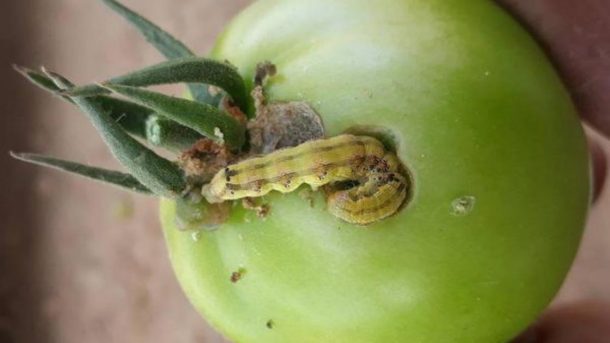
External symptoms appear in the form of a bored hole. Initially, the larvae feed on tender foliage but later on it moves on to flower buds, flowers and developing fruits. The caterpillars make holes into fruits by keeping half of their body inside the fruits and half outside and render them unfit for market. It can be controlled by transplanting crop late in summer (June) escapes the damage of fruit borer. Inundative release of egg parasitoid, Trichogramma chilonis and T. brasssiliensis @ 50,000-75,000 adults/ha Apply nuclear polyhedrosis virus (NPV) @ 250-500 LE/ha Application of Bacillus thuringiensis alone (1.0 litre/ ha) at flowering and fruit setting stage Foliar application of carbaryl (0.1%)/ deltamethrin (0.0028%) and acephate (0.05%) when one larva per five plants is observed. Observe a waiting period of 10 days before picking fruits. Use of African marigold as trap crop.
pest management
How thrips cause damage in pomegranate and how it can be controlled?
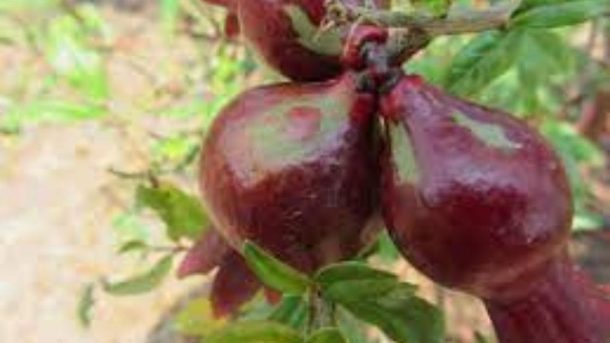
Thrips can be seen by tapping the tender shoots on white background. It always prefers feeding on new growth of plants. Nymphs and adults lacerate and suck the sap from buds, flowers, leaves and fruits. Affected leaves curl upwards and downwards. The tip of the tender shoots becomes dried. Scrapping marks on buds and fruits can be noticed easily. Collect and destroy affected plant parts and dried tender shoots regularly. Do not grow intercrops which act as alternate hosts like chilli, onion, garlic, brinjal and tomato in pomegranate. Spray imidacloprid @ 0.4 ml/l or acephate 75 SP @ 1ml/l on observing the symptoms.
How mites cause damage in pomegranate and how it can be controlled?
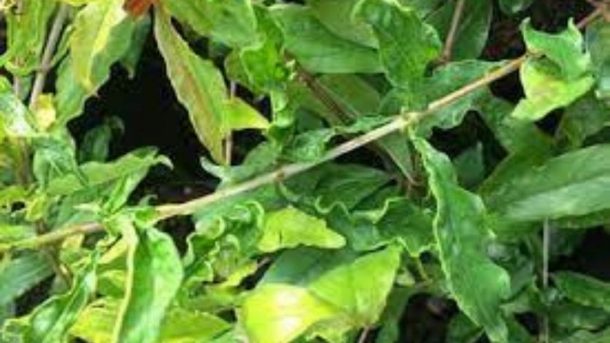
Mites are red or brown in colour and remain most active during dry spell from April to October. Shiny white or brown patches can be seen on the under surface of affected leaves which may further curl and fall. Adult and nymphs feed on the lower leaf surface by sucking sap. Leaf shows reddish look on severe infestation and pressing of infested leaves with thumb give red colour. For mite management, spray of propargite 57% @ 1ml/l, spiromesifen 240 SC @ 0.5 ml/l or dicofol 18.5 EC @ 2.0 ml/l in rotation for effective management and provide irrigation regularly.
How thrips cause damage in banana and how it can be managed?
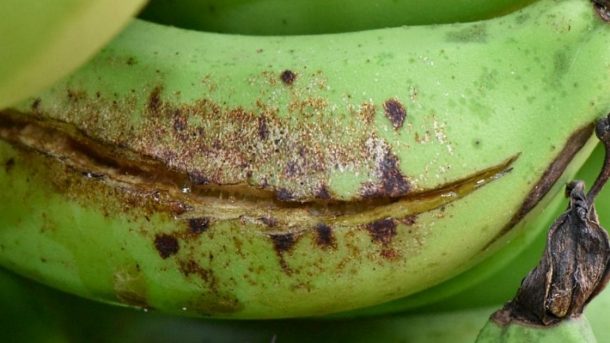
It causes silvery patches on the fruits that later turn brown. The skin of heavily infested fruit may crack permitting secondary infection which results in fruit rot making it unattractive hence lowering its marketability. It can be controlled by removal of male flowers, Covering of bunches/bagging, Use of insecticides, such as – Deltamethrin (Decis 2.5 EC®) – Pirimiphos-Methyl (ACTELLIC 25EC®).
Which is the most damaging pest in banana and how it can be controlled?
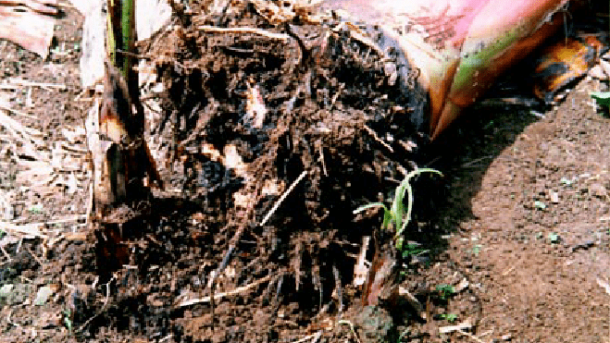
Nematodes are the most damaging pests causing over 70 % loss of the crop. It causes lesions and tunnels within the rhizome. Root destruction leads to toppling of mature plant, especially when the wind blows or during bearing stage. It can be controlled by Use of clean planting material (Tissue Culture or by hot water treatment), use “Tithonia” and “Mexican Marigold” in banana farm as green manure. Apply farmyard manure or poultry manure. Use of nematicides such as Azadirachtin (Achook®), Ethoprophos (MOCAP GR 10®).
How aphids cause damage to Aolna and how it can be managed
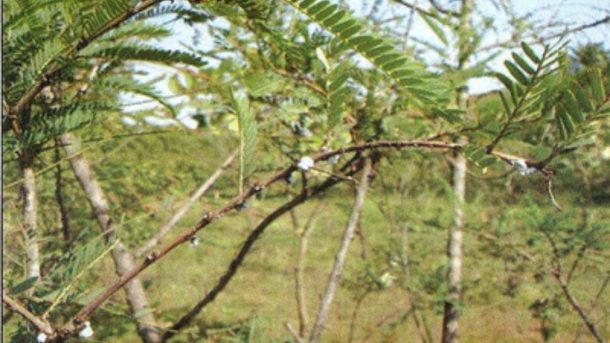
It is a serious pest on new flush. The aphids infest tender shoots, leaves, flower bud and fruits.
It can be managed by Single spray of neem seed kernel extract @ 2 % at the initiation of new flush. Spray dimethoate @ 0.03 % or phosalone @ 0.05 %.
How bark eating caterpillar causes damage in Aonla and how it can be managed?
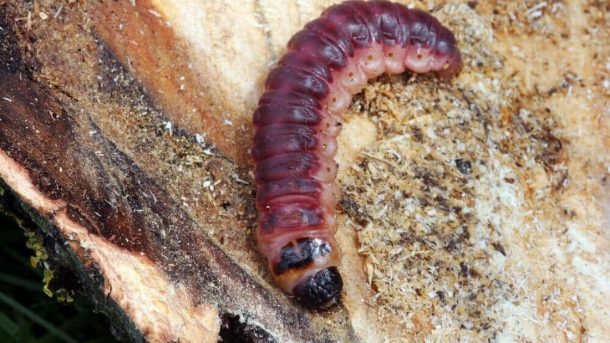
It affects the main trunk of the plant and makes tunnels. Feed on the bark under silken ribbon-shaped webs. It causes damage up to 80 percent.
It can be managed through clean cultivation, avoiding the overcrowding of branches. Spraying 0.03% endrin or furadan or injecting kerosene oil or petrol in the holes and plugging them with cotton or wet soil during September-October or February-March.
What are the storage pests occurring in groundnut?
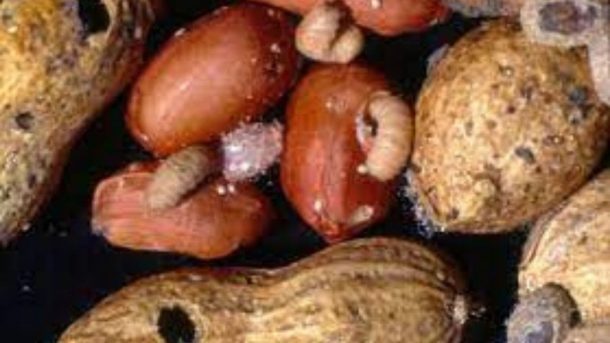
Groundnut bruchid is the pest which occurs in storage. Spray 5% Malathion on pod and gunny bags. Fumigation with aluminium phosphide tablets 3-5 tablets /tonne of groundnut pods. Mixing neem oil 5 ml/kg of pods protect from bruchid.
How red hairy caterpillar is managed in Groundnut?
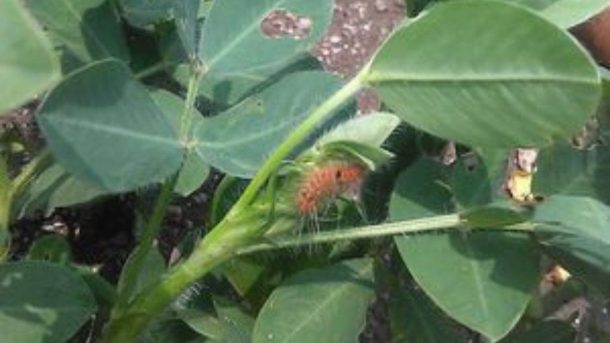
Pre-monsoon deep ploughing (two/three times) will expose the hibernating pupae to sunlight and predatory birds. Removal and destruction of alternate wild hosts which harbour the hairy caterpillars. Use trap crops around main crop E.g.: Cowpea. Monitor the emergence of adult moths through light trap. Organize bonfires on community basis from 7.30 PM to 11.0 PM to attract the newly emerging moths for 3 or 4 succeeding days when good showers are received. Collect and destroy egg masses and early instars larvae. Dust Quinalphos or Carbaryl @ 25 kg /ha to control early instars of the caterpillar. To control grown up larvae, spray Dimethoate @ 2.0 ml or Monocrotophos1.6 ml/l of water. Trap and kill the migrating larvae in deep cut straight trenches by dusting Methyl parathion 2% in the trench around the field.
How aphids are controlled in groundnut?
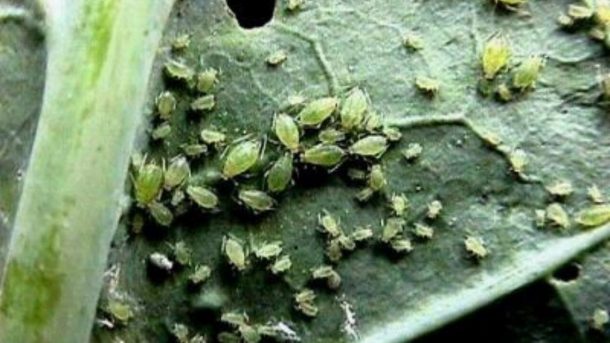
Late sowing of crop should be avoided. Use of Neem based compounds which will be helpful as a deterrent. Use of resistance/ tolerant varieties as well as growing of attractant crops i.e. Carrot family, sunflower family and marigold (to attract syrphid fly, lacewing, damselfly and ladybird beetle). Use of need basis chemical compounds i.e., Imidacloprid and Fipronil for sucking pests because these compounds having lower hazards effects on other fauna and flora.
The Coccinellid beetle, Coccinella septempunctata (Coleoptera: Coccinellidae) and Syrphid fly, Ischiodon javana (Wiedemann) (Diptera: Syrphidae) are the main predators of this pest.