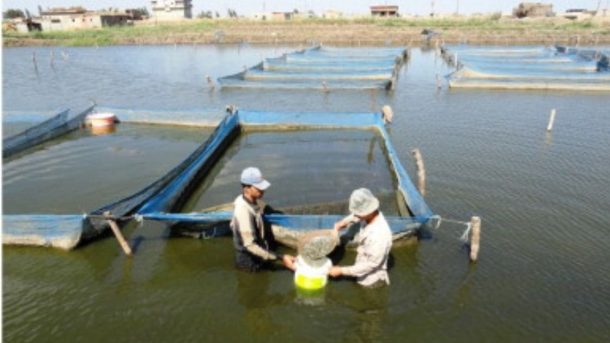
This structure has double walls. The outer wall is made of muslin cloth and the inner wall is made of round meshed mosquito net material. The dimension of the outer wall is 1.5 x 1 x 1 m and the inner wall minimum dimensions are 1 x 0.75 x 0.75 m. The eggs from the breeding area are shifted to hatching hapa and are uniformly spread here. The minimum time for hatching is 18 – 24 hours. When the hatchlings get out of the inner area, the mesh is carefully removed to dispose the egg shells.
Livestock
What is breeding hapa?
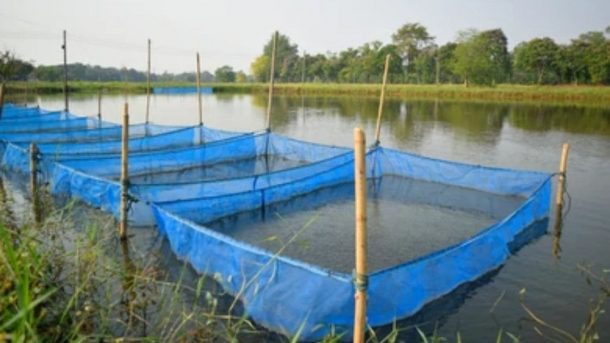
It is enclosed like a box made of meshed mosquito net material and erected through bamboo poles fixed in the pond or pool. Generally, the hapa are covered with plain cloth over the top, but breeding hapa has an open top for inserting and removing brood fish. The minimum dimensions of a breeding hapa are 2 x 1.5 x 1 m. The breeding hapa is filled such that there are two male fish for one female fish. Once the eggs get hardened and embryo twitches, the brood fish are removed from that place without harming the eggs.
What is hapa in fisheries?

Hapa is a cage made of fine mesh material and is set up in a fish farm using bamboo poles to raise fish of small size. These are created in shallow water bodies, where the flow of water is low. This type of cage formation makes it easy for harvesting and is durable.
What is induced breeding of fish or what is hypophysation?

The pituitary gland from a mature fish is collected and homogenized in distilled water. This is then centrifugate’s and a hormone is injected. The extract from this pituitary is then introduced into the body of other fish like carps, which get excited and lay eggs in the pond. In short, it can be addressed as artificially inducing the hormone to help the fish fertilizer is called as induced breeding.
How does fish farming cause eutrophication?
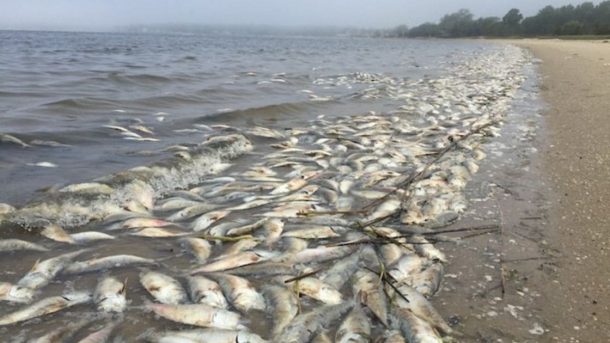
Eutrophication is a term which indicates the presence of excess nutrients in water bodies like lakes, ponds, pools or artificially constructed structures, which causes conditions like algal blooms, etc. When fish are raised in these water bodies, not all the feed given to them is consumed. The uneaten food changes the organic composition of the water bodies and alters their oxygen levels thereby causing eutrophication.
What are the advantages of composite fish culture?
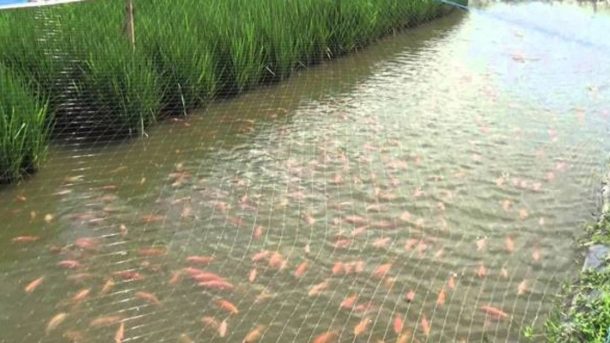
Composite fish culture is polyculture, where different fish species are raised together. Some advantages of composite fish culture are high production from the farms,Effective Utilization of feed,quality and variety of fish produced is high, Low mortality rate and better profits.
What is polyculture in fisheries?

This term refers to raising different species of fish together in the same pond. This is practically done to better utilize the resources available and increase the production of the farm. Generally fish that do not compete for food or have different food habits are raised together. This practice sometimes helps improve the pond environment due to the presence of different species of fish in it.
What do you feed broiler chickens?
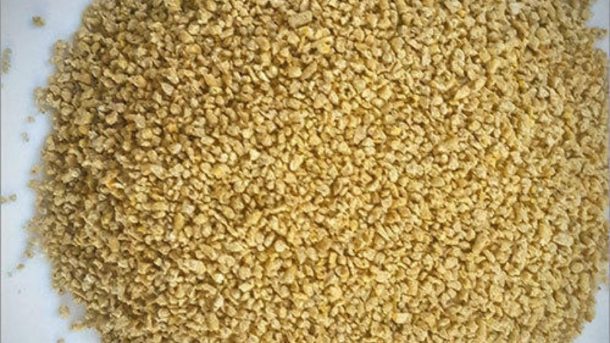
Broiler chicken need to have good protein content in their diet because they are used for meat purpose. There is broiler feed available in the market but it is important to add some extra protein to the feed such as fish meal, meat meal, meat, milk, liver, dried animal blood etc along with some broken wheat, rice bran, sesame cake, bone powder, oyster shell powder etc. would provide the chicken more vitamins and minerals. The for different quantity of feed may vary broiler chicken age.
What are a rearing pond and a nursery pond?
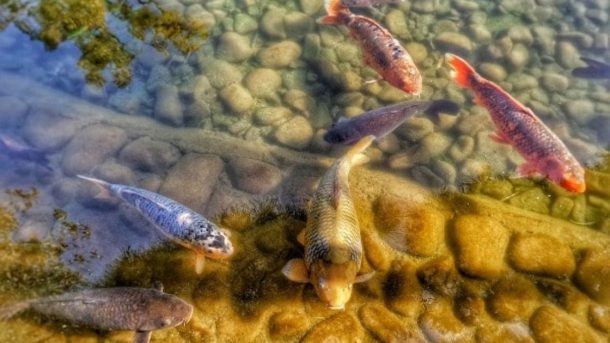
Rearing pond is an area within a big fish farm where fry fish from the breeding ponds are transplanted to grow into fingerlings. It contains fertile soil and should have a minimum depth of 60-80 cm with 1.5 m of depth near the floodgate. The water in this pond should be changed every 10 days. Ponds where spawns are raised up to fry fish stage are known as nursery ponds.
What is fish seed production?

The eggs of the fish or the fry stage of the fish are called fish seeds. These are generally obtained or are produced on the farm. The later is difficult because extreme care and excellent conditions are required for the fish to spawn. There is a high mortality rate involved in producing and hatching the eggs. So, large fish farms obtain the fish seed from outside or naturally occurring areas.