Livestock

How does the lack of access to quality seeds and breeds affect farmers’ productivity and resilience?

seeds and breeds

Reduced output potential: To increase crop and livestock productivity, high-quality seeds and breeds are crucial. They have attractive qualities such a high potential for yield, resilience to disease, tolerance for environmental stress, and enhanced nutritional value. Farmers can be forced to use conventional varieties or local breeds that may have lesser production potential and be more vulnerable to pests, illnesses, and unfavorable climatic conditions if they lack access to high-quality seeds and breeds. Lower crop or livestock yields and decreased agricultural production may follow from this.

Exposure to pests and diseases: High-quality seeds and breeds frequently have tolerance for or resistance to the typical pests and diseases that are widespread in a given area. Farmers who don’t have access to these seeds and breeds may be more susceptible to disease outbreaks and insect infestations. This

Limited ability to adjust to changing climatic conditions: Agriculture is being challenged by changes in temperature and precipitation patterns brought on by climate change. For farmers to retain production and resilience, it is essential to use high-quality seed and breeds that are specifically bred or selected for their capacity to adapt to changing climatic circumstances. Farmers may find it difficult to modify their agricultural operations to the changing climate without access to these seeds and breeds, rendering them more vulnerable to crop failures and decreased animal productivity.

Limited genetic diversity: High-quality seeds and breed help agricultural systems maintain their genetic diversity. Because it offers a larger pool of genetic features that can help crops and livestock adapt to shifting environmental conditions and new threats, genetic diversity is crucial for the resilience of agricultural systems.

How does the lack of agricultural extension services and technical support affect farmers’ knowledge and skills?

knowledge

Limited Information Access: Agricultural extension services are essential in providing farmers with timely and pertinent information. They offer useful information on contemporary technologies, market trends, and the control of pests and diseases as well as better farming techniques. Without access to extension services, farmers might not be aware of the most recent developments in agriculture and might not have the knowledge they need to improve their farming practices.

Reduced Uptake of Best Practices: Agricultural extension services aid farmers in implementing best practices and cutting-edge farming methods. Sustainable soil management, water conservation, integrated pest management, and climate-smart agriculture are a few examples of these techniques. Farmers may rely on conventional, ineffective techniques in the lack of expert assistance, making it difficult for them to increase productivity and sustainability.

Limited Skill Development: Technical assistance and extension services give farmers the chance to receive training and develop their capacities. They provide hands-on training, workshops, and practical demonstrations on a variety of agricultural topics, including crop production, livestock management, and post-harvest handling. Farmers’ capacity to learn new skills, broaden their knowledge, and adjust to changing agricultural techniques is constrained by a shortage of these services.

Ineffective Problem-Solving and Troubleshooting: Technical assistance is essential for farmers to overcome obstacles and resolve issues they run into on their farms. On-site help, problem-solving, and issue identification are all capabilities of extension workers. Without such assistance, farmers could find it difficult to identify and treat crop diseases, pest infestations, nutrient deficits, and other agronomic problems.

What are the key issues related to water scarcity in agriculture?

water scarcity

Lack of Water Supply: When there is not enough water available to meet the needs of crops, livestock, and other agricultural operations, water scarcity in agriculture develops. Natural reasons like little rainfall, scarce water supplies, or conflicting water needs from other industries may be to blame for this.

Irrigation challenges: In many locations, irrigation is essential for agriculture, yet water scarcity can restrict the supply of irrigation water. Reduced agricultural yields, stunted development, and even crop failure can occur as a result of insufficient water for irrigation. It may be difficult for farmers to supply their crops with the water they need.

Increasing Competition for Water Resources: For the limited water resources available, agriculture competes with other industries, metropolitan regions, and ecosystems. Water scarcity in agricultural regions can be made worse by rapid urban and industrial expansion, which reduces the amount of water available for farming.

Ineffective Water Management: Water scarcity problems may be made worse by ineffective water management techniques, such as out-of-date irrigation systems, excessive irrigation, and inadequate water delivery networks. Excessive evaporation, water losses, and improper irrigation of crops can all result from inefficient water use.

What are the current discussions on the impact of agriculture on climate change?

agriculture

Greenhouse Gas Emissions: Agriculture is a major source of greenhouse gas (GHG) emissions, particularly through the production of nitrous oxide (from fertilizers and manure management) and methane (from cattle and rice agriculture). Strategies to lower these emissions are discussed, including better fertilizer management, the adoption of low-emission livestock systems, and the promotion of more environmentally friendly rice growing methods.

A considerable amount of carbon dioxide is released into the atmosphere as a result of deforestation and land use change caused by agriculture, particularly the expansion of agricultural land. The discussions center on stopping deforestation, safeguarding forests and other natural ecosystems, and encouraging climate change mitigation strategies including agroforestry and replanting.

Discussions have focused on how agriculture has the ability to store carbon in soils, which can reduce greenhouse gas emissions. Improved soil health can aid in carbon sequestration and increase agricultural sustainability through techniques including cover crops, conservation tillage, and organic matter additions.

Adaptation and Resilience: Agricultural systems face difficulties as a result of climate change effects such as altered precipitation patterns, an increase in the frequency of extreme weather events, and temperature swings. The adoption of climate-resilient crop varieties, water management techniques, and system diversification are just a few examples of how resilience and adaptive ability are being built into agricultural practices and systems.

How is the concept of agroforestry being integrated into climate change mitigation strategies?

climate change mitigation

Agroforestry is increasingly recognized as a valuable approach for climate change mitigation due to its potential to sequester carbon, enhance resilience, and promote sustainable land management. Here are some ways in which the concept of agroforestry is being integrated into climate change mitigation strategies:

Carbon Sequestration: Agroforestry systems, with their combination of trees, crops, and/or livestock, have the capacity to sequester significant amounts of carbon in both above-ground biomass and soil. Trees in agroforestry systems capture and store carbon dioxide from the atmosphere, reducing greenhouse gas concentrations. Agroforestry practices such as silvopasture (integrating trees and livestock), alley cropping (trees intercropped with crops), and forest farming (cultivating crops under the shade of trees) can effectively contribute to carbon sequestration.

Reduced Emissions from Deforestation and Forest Degradation (REDD+): Agroforestry plays a crucial role in REDD+ initiatives, which aim to reduce carbon emissions from deforestation and forest degradation. By promoting agroforestry practices, which offer alternative land uses to slash-and-burn agriculture and forest clearance, countries can mitigate greenhouse gas emissions while simultaneously meeting agricultural and livelihood needs.

Agroforestry is a crucial part of climate-smart agriculture, a strategy that attempts to boost agricultural output, improve climate change resistance, and lower greenhouse gas emissions. Agroforestry practices offer a variety of advantages, including improved water management, increased biodiversity, and varied income streams. These advantages help make agricultural systems more resilient to climate change mitigation overall.

Agroforestry contributes to sustainable land management by promoting water retention, minimizing erosion, and improving soil health. In agroforestry systems, the presence of trees aids in preventing soil erosion, promoting nutrient cycling, and increasing organic matter content, improving soil structure and fertility. By storing carbon in the soil and requiring fewer chemical inputs, this helps to mitigate climate change mitigation.

How is the concept of agroecological zoning being implemented for sustainable land use?

agroecological

Agroecological zoning is a technique for identifying and categorizing various land uses and agricultural practices according to the suitability of each location. By taking into account ecological, social, and economic considerations, it seeks to advance sustainable land use planning. Here are some examples of how agro ecological zoning is put into practice:

The identification and mapping of agro ecological zones within a region is the first step in agro ecological zoning. Analyzing numerous elements such as climate, soil types, topography, water accessibility, and biodiversity is required for this. These evaluations assist in locating locations with certain agro ecological traits and determining those areas’ potential for various agricultural pursuits.

Planning and management of land uses can benefit from the knowledge provided by agro ecological zoning. Based on their agro ecological potential, it assists in determining the best land uses and farming methods for various regions. This involves selecting appropriate livestock, crops, agroforestry techniques, and conservation sites.

Agroecological zoning encourages the preservation and protection of environmentally vulnerable areas. It aids in identifying and designating as protected zones places with great ecological significance, such as wetlands, forests, or biodiversity hotspots. These places can be protected through zoning, ensuring the continuation of ecosystem services and biodiversity protection.

What are the advancements in precision livestock farming and animal welfare?

livestock farming

Quality Control and Certifications: Blockchain can be used to hold and confirm certifications for sustainability, fair trade, organic farming, and other standards of quality, including livestock farming. On the blockchain, certifying authorities can store audit findings and generate digital certificates that can be viewed by all parties involved in the supply chain. Consumers may readily check the authenticity and compliance of the products they buy, ensuring transparency and fostering trust.

The improvement of animal wellbeing has been facilitated by advances in precision livestock farming (PLF), which allow for more accurate monitoring, management, and care of cattle. The following are some significant developments in PLF and how they affect animal welfare:

Sensor technology: Different facets of animal behavior and health are being tracked using sensors. For instance, wearable technology can monitor an

Environmental Monitoring: PLF covers the monitoring of environmental variables in livestock facilities, such as temperature, humidity, and air quality. Preventing stress and health problems in animals can be achieved by maintaining ideal environmental conditions. Automated systems can change the ventilation, lighting, and temperature to give the animals a more relaxing and comfortable habitat.

Artificial intelligence and data analytics: PLF systems gather and analyze enormous amounts of data from numerous sources, including sensors and monitoring equipment. Algorithms for advanced analytics and artificial intelligence can find trends, outliers, and indications of animal care. Farmers can use this to make data-driven decisions, put preventive measures in place, and act quickly when necessary.

How is agroforestry being integrated into sustainable farming systems?

agroforestry

As a means to advance ecological harmony, boost productivity, and increase the sustainability of agricultural practices, agroforestry is being progressively included into sustainable farming systems. Here are a few typical methods for integrating agroforestry:

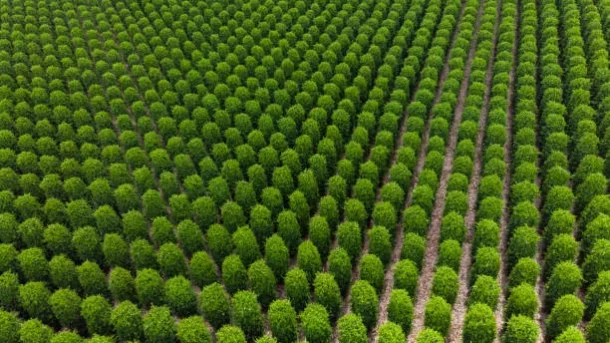
Alley cropping: Alley cropping is the practice of alternating rows of trees or shrubs with rows of agricultural crops. Through nutrient cycling and leaf litter decomposition, the trees improve soil fertility, provide shade, and lessen soil erosion. Reduced wind speeds, an enhanced microclimate, and the availability of nutrients from the trees all benefit the crops.

Windbreaks and Shelterbelts: Planting rows or strips of trees as windbreaks or shelterbelts along field edges or between fields reduces wind erosion, safeguards crops from wind damage, and creates microclimates that enhance crop development. Additionally, windbreaks offer habitat to pest-controlling birds and beneficial insects.

Silvopasture: In a mutually beneficial system, silvopasture blends trees, forage crops, and cattle grazing. While livestock grazing aids in the management of vegetation and enhances nutrient cycling, trees provide shade, lumber, and feed for livestock. Systems of silvopasture can improve animal welfare, stop soil erosion, and give farmers other sources of revenue.

What are the major challenges facing the global agriculture sector today?

facing

To ensure food security, sustainability, and equitable agricultural practices, the global agriculture sector faces a number of pressing issues that must be resolved. The following are some of the main issues that the world’s agriculture sector is currently facing.

Need for Food and Population Growth: As the world’s population continues to rise, so does the need for food. Population growth is anticipated to reach 9.7 billion people by 2050, necessitating a substantial increase in agricultural output to feed everyone well.

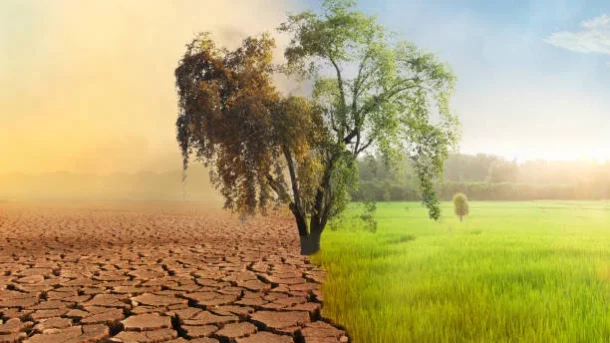
Climate Change and Extreme Weather: Agriculture is seriously threatened by climate change. Increased frequency of extreme weather events including droughts, floods, and storms, as well as rising temperatures, can disrupt agricultural systems, lower crop yields, and lower livestock output.

Environmental Impact: Agriculture, facing a significant role in environmental problems such soil erosion, water pollution, greenhouse gas emissions, and biodiversity loss. To reduce its negative environmental effects and maintain ecosystems, the sector must embrace sustainable practises.

Labour Shortages in Rural Areas as a Result of Rural-Urban Migration: Rural-to-urban migration has caused a reduction in agricultural labour, resulting in labour shortages in rural areas. This problem is made worse by an ageing farming population and a lack of interest in agriculture among younger generations.

 What is Pastoral farming?

livestock affect

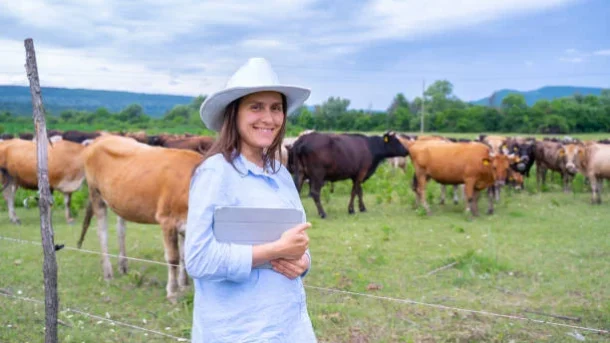
Pastoral farming is a type of agriculture that involves the raising of livestock, such as cattle, sheep, goats, and camels, for the purpose of producing meat, dairy products, wool, and other animal-derived goods. This type of farming is practiced in areas with large, open lands, such as grasslands, savannas, and deserts, where there is enough space to graze large herds of animals.

Pastoral farming is often associated with nomadic or semi-nomadic cultures, where people move their herds from one area to another in search of fresh grazing land and water. In many cases, pastoralists also engage in trade and other economic activities that complement their livestock production, such as the sale of animal products and the provision of transportation services using animals like camels.

Pastoral farming is an important part of the economy and culture of many countries, and plays a critical role in the livelihoods of millions of people around the world.