Water conservation

 What irrigation methods do you use to ensure proper water supply for your crops?

irrigation methods

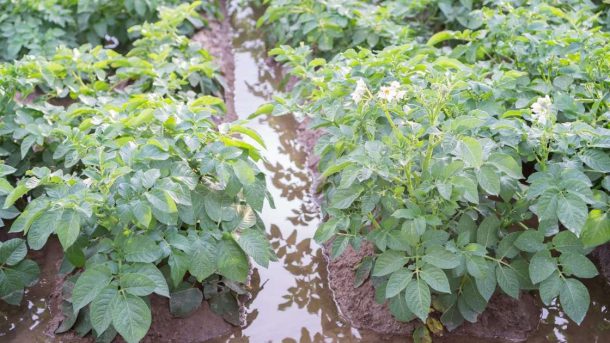
Surface Irrigation: This method involves flooding or furrowing the fields to allow water to flow across the surface and infiltrate into the soil. It is one of the oldest and simplest irrigation methods but can be inefficient due to water loss through evaporation and runoff.

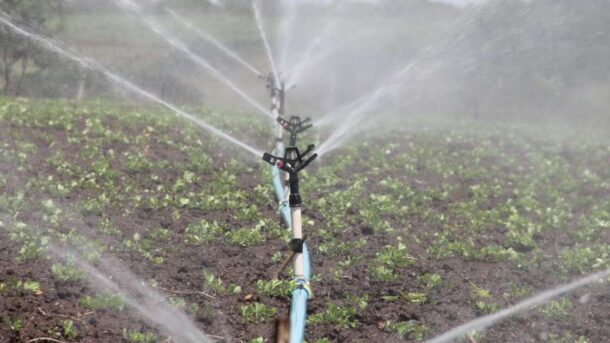
Sprinkler Irrigation: Sprinkler systems distribute water through a network of pipes with sprinkler heads that spray water over the crops. This method can be used for both field and orchard crops, and it provides more uniform water distribution compared to surface irrigation. However, it may be prone to water loss due to evaporation and wind drift.

Drip Irrigation: Drip irrigation involves the application of water directly to the plant roots through a network of tubes or pipes with emitters or drippers. This irrigation methods deliver water in a controlled and precise manner, reducing water waste and maximizing water use efficiency. It is particularly useful in arid regions or for water-sensitive crops.

Subsurface Irrigation: Also known as subsurface drip irrigation , this technique involves placing drip lines or tapes below the soil surface to deliver water directly to the plant root zone. Subsurface irrigation helps minimize water loss due to evaporation and reduces weed growth since the surface remains dry.

Center Pivot Irrigation: This method is commonly used in large-scale agriculture. A central pivot system rotates around a pivot point, irrigating a circular area. Sprinklers mounted on the system deliver water as the pivot moves, covering a large area efficiently. It is often used for row crops and can be automated for precise control.
What are the best irrigation methods for my specific crop and growing conditions?

irrigation methods

Irrigation is when people add water to plants, to help them grow when there is not enough rain. Irrigation water can be pumped from rivers, natural lakes or lakes created by dams, from wells or allowed to flow to the fields by or open canals.

There are many different types of irrigation methods. The most common ones are:

  1. Sprinkler Irrigation
  2. Drip irrigation
  3. Surface irrigation
  4. Sub surface irrigation
  5. Manual irrigation

Sprinkler irrigation mimics natural rainfall where water falls on the plants. In sprinkler irrigation, water is moved through pipes to sprinklers scattered around and within the field. 

In drip irrigation, water drips directly to the roots of plants from pipes which have small holes or special emitters spaced along the pipe.

In Surface irrigation, water from a source such as rivers, pipes, dams, canals e.t.c. floods the soil surface. Surface irrigation uses a lot of water compared to other irrigation methods.

What is runoff farming?

runoff farming

Runoff farming is the same with water harvesting but for irrigation functions. When the harvested runoff water from uncropped areas is directed to a cropped area, this technique is known as runoff farming. Soil profile acts as a water storage container, but storage in ponds or cisterns is feasible.  Factors affecting the capacity of the soil storage are the depth of the soil profile, depth of plant roots, texture, structure, infiltration rate and the water holding capacity of the soil. The catchment to field ratio can vary from 1:1 and from 1: many square kilometers. The higher the aridity of an area, the larger is the necessary catchment area in relation to the cropping area for the same water yield.

Why Borewell digging is prohibited in few areas?

digging

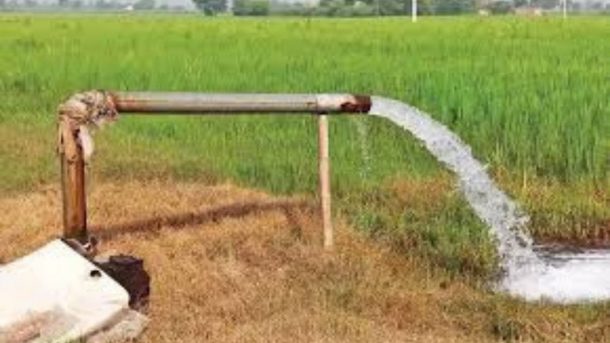
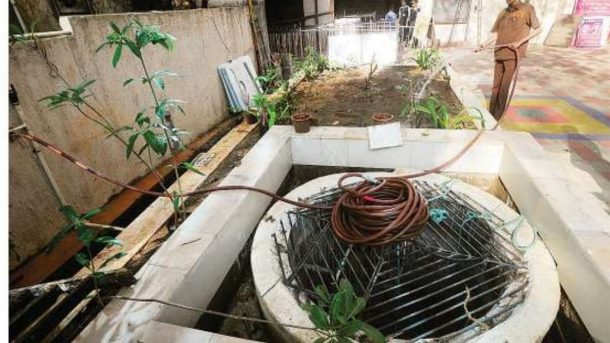
Due to the excessive drilling of borewells the underground water level is decreasing day by day. This causes depletion of the water levels. Hence government has prohibited digging borewells in few areas, especially in the water scare regions. This is implemented under the groundwater legislation act.

Central ground water Board, has the complete reports of water resources depicting the status of the country. So as to control the digging of borewells in order to save the groundwater resources.

How Rainwater Harvesting solves the water shortage?

Rainwater

Harvesting and collection of rainwater is a proper method that can be used to address the problem of the water crisis in various parts of the world. This water conservation technique can be used to put forward a remarkable solution in areas where there is enough rainfall but not enough supply of groundwater.

 Bangalore is a good example where rainwater harvesting can become very beneficial. Bangalore is an area with a very high population and an area that also has to deal with water shortages. With these in mind, practicing water conservation methods such as rain water harvesting is a perfect way to ensures an increased supply of water.

What is Rainwater Harvesting?

Rainwater

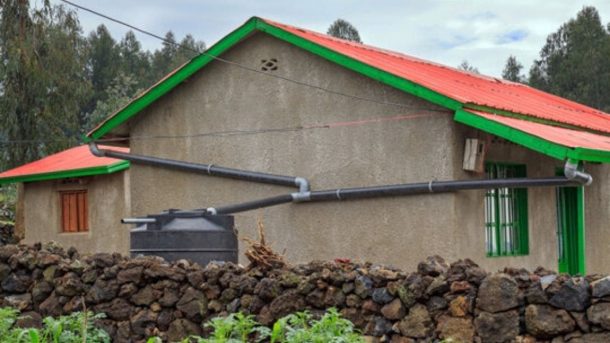
Rain water Harvesting is a simple technique by which rainfall is collected for future usage. The collected rainwater may be stored, utilized in dissimilar ways or directly used for recharge purposes. With depleting groundwater level fluctuating climate conditions. RWH can go a long method to help mitigate these effects. Capturing the rainwater can help recharge local aquifers, reduce urban flooding & most importantly, ensure water availability in water scarce zones. While the term seems to have picked up greater visibility in the last few years, it was and is even today a traditional practice followed in rural India. Some ancient rainwater harvesting technique followed in India includes madakas, ahar Pynes, surangas and many more.

Does Aquaponics save water?

Aquaponics

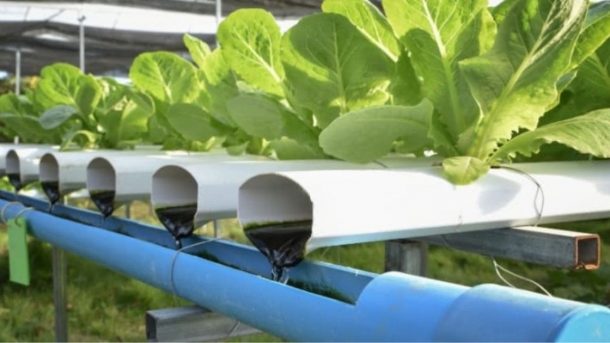
In traditional agricultural practices, the water supplied to the plants is lost either through evaporation or due to runoff and doesn’t reach the plants roots properly. Using the best drip irrigation method also cut the water requirement only one-fourth and is in no way comparable to Aquaponic systems. The Aquaponic system uses every bit of water over and over again because the n off water that is not used by the plants is recaptured, sent into the aquaculture tank where it gets nutrient rich by the fish waste and is possibly returned to the plants after detoxification. So obviously, Aquaponics saves water to a large extent and the only form of water loss in these systems could be leaking or evapotranspiration.

How hydroseeding helps to conserve water?

hydroseeding

During the germination method, hydroseeding requires an abundant water supply. Eventually the grass that sprouts is quite drought resistant. Some hydro seeded grasses could hold up to 10 times their weight in water. Mulch and tackifiers aid in water retention and gradually release moisture and nutrients to the root system. Also, the root system forms deep into the soil where the water level is particularly high.

What are the advantages of furrow irrigation ?

furrow irrigation

Furrow irrigation is suitable for row crops and vegetables and also suitable for soils in which the infiltration rates vary between 0.5 and 2.5 cm/hr. This type of irrigation is suitable for slopes varying from 0.2 to 0.5 per cent and when the stream size is 1-2 liters/sec. Furrows are very effective in areas requiring surface drainage or prone to temporary water logging. The practice of alternate or skip furrow irrigation can save considerable quantity of water without significantly affecting yields in areas where water for irrigation purposes is scarce.