Irrigation

What is the primary goal of the National Mission on Agricultural Extension and Technology (NMAET)?

Agricultural Extension

The National Mission on Agricultural Extension and Technology (NMAET)’s main objectives are to improve agricultural extension services in India and encourage farmers to adopt cutting-edge agricultural technologies. Through efficient extension and technology distribution, the objective is to increase agricultural productivity, increase farmers’ income, and ensure sustainable agricultural growth.

The National Mission on Agricultural Extension and Technology’s main goals are as follows:

Enhancing the quality and scope of extension services will help NMAET achieve its goal of strengthening the current agricultural extension system. Enhancing the knowledge and abilities of extension staff, creating efficient communication channels, and employing information and communication technology (ICT) are all necessary to make it easier for farmers to receive agricultural information.

Dissemination and acceptance of technology: The objective is to encourage farmers to adopt cutting-edge agricultural technologies and best practices. By easing the flow of technology and knowledge from research centers to the field, it seeks to close the knowledge gap between farmers and academic institutions. Promoting the use of enhanced seeds, effective irrigation methods, crop management practices, mechanization, post-harvest technologies, and other innovations that help raise agricultural productivity and sustainability are a few examples of this.

NMAET places a strong emphasis on training and capacity development programs for farmers in order to improve their knowledge and abilities in contemporary agricultural methods. These training courses cover a wide range of subjects, such as methods for crop production, management of soil and water quality, control of pests and diseases, farm mechanization, value addition, and marketing tactics.

Increasing farmer empowerment through Farmer Producer Organizations (FPOs): To increase farmer empowerment, increase their negotiating power, and promote collective decision-making, the mission supports the development and strengthening of Farmer Producer Organizations (FPOs). Farmers can access inputs, loans, technology, and markets through FPOs, which helps to improve their socioeconomic circumstances.
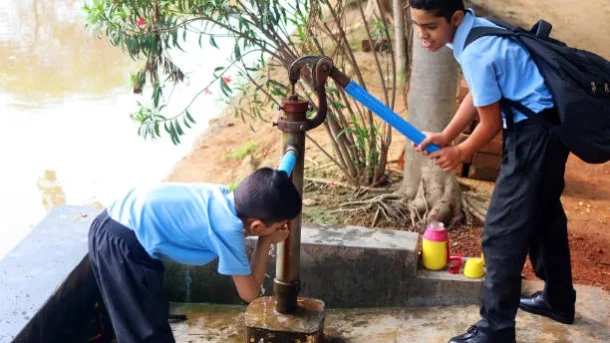
What is the purpose of the National Mission on Sustainable Water Use in Agriculture (NMSWUA)?

Sustainable Water

India has launched a program called the National Mission on Sustainable Water Use in Agriculture (NMSWUA) to encourage the use of sustainable water management techniques in agricultural practices. It tries to address issues including inadequate water use, unsustainable water resource depletion in the agriculture sector, and lack of water.

The following are the main goals of the national mission on sustainable water use in agriculture:

Efficiency in the use of water: The mission seeks to increase the effectiveness of the use of water in agricultural operations by encouraging the use of effective irrigation methods, such as drip irrigation and spray irrigation. Through the use of these technologies, water is delivered directly to plant roots, reducing water loss due to evaporation or runoff.

Crop diversification and optimization: The mission places a strong emphasis on the need to promote crops that use less water or are better suited to the regional agro-climatic conditions, as well as the necessity to vary cropping patterns. By doing so, the demand on water resources is lessened while water use is optimized.

Building capacities and raising awareness: The goal of the mission is to empower farmers and other stakeholders to implement sustainable water management techniques. On effective irrigation practices, water-saving strategies, and crop planning, it also involves awareness campaigns, training programs, and information dissemination.

Rainwater conservation and harvesting: NMSWUA promotes the use of rainwater harvesting methods to collect and store rainwater for use in agriculture. This promotes groundwater recharging and lessens reliance on unsustainable groundwater extraction.

What is the primary goal of the National Mission on Rural Drinking Water (NMRDW)?

NMRDW

The National Mission on Rural Drinking Water (NMRDW)’s main objective is to give rural India with a reliable supply of safe drinking water. The Department of Drinking Water and Sanitation, Ministry of Jal Shakti, Government of India, is responsible for implementing the NMRDW.

The National Mission on Rural Drinking Water main goals and initiatives typically consist of:

Access to Safe Drinking Water: The objective is focused on ensuring that all rural areas in India have access to safe and potable drinking water. By providing dependable and sustainable supplies of drinking water, it seeks to address the problems of water scarcity, water quality, and waterborne illnesses.

Infrastructure Improvement: The NMRDW places a strong emphasis on developing and enhancing the infrastructure for rural drinking water. To satisfy the drinking water demands of rural populations, it includes projects for the building of piped water delivery systems, hand pumps, tube wells, rainfall gathering structures, and other water supply infrastructure.

Water Quality Management: The mission gives water quality management a high priority. In order to guarantee that the supplied drinking water complies with the required quality standards, it also comprises interventions like water testing, water quality surveillance, water treatment, and the installation of suitable water purification equipment.

Name a scheme that aims to promote the cultivation of cashew and provide support for cashew processing units.

cashew processing

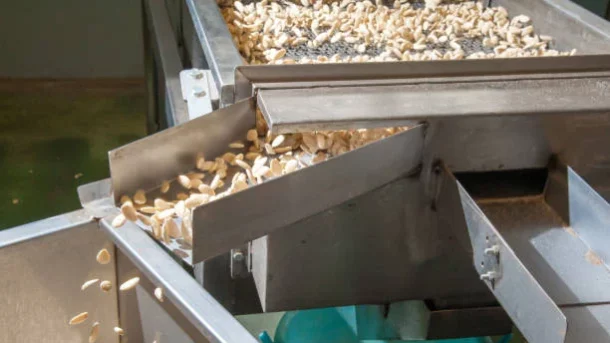
The “Mission for Integrated Development of Horticulture” (MIDH) is one program that attempts to support cashew processing facilities in India and encourage cashew processing farming. The Ministry of Agriculture and Farmers Welfare, Government of India, is responsible for carrying out the Mission for Integrated Development of Horticulture.

The Cashew Development Program’s main goals and initiatives typically consist of:

Promotion of Cashew Cultivation: The program’s main objective is to increase cashew production by giving farmers financial help, technical aid, and training. It involves assistance with the creation of fresh cashew orchards, the restoration of aged and underutilized orchards, the use of superior planting materials, and the adoption of best agricultural practices.

Training and Capacity Building: The initiative places a strong emphasis on training and capacity building programs for farmers growing cashews. It offers instruction on a variety of elements of cashew production, such as post-harvest management, irrigation management, planting methods, and pest and disease control.

Research and Development: The program funds initiatives for the production and processing of cashews. In order to create and spread better cashew varieties, crop management strategies, and processing methods, it encourages partnerships with research facilities, agricultural universities, and technology providers.

Which government initiative focuses on promoting the cultivation of aromatic rice varieties?

aromatic rice varieties

The “National Mission on Sustainable Agriculture” (NMSA), a government program, aims to encourage the production of fragrant aromatic rice varieties in India. The Department of Agriculture, Cooperation & Farmers Welfare, Ministry of Agriculture and Farmers Welfare, Government of India, is in charge of implementing the National Mission on Sustainable Agriculture.

Distribution of Seeds: The NMSA is in favor of providing farmers with high-quality seeds of aromatic rice types. In order to guarantee greater yields, better quality, and genetic integrity of aromatic rice crops, it stresses the use of certified and upgraded seeds.

Technical Assistance: The mission helps farmers grow aromatic rice varieties by offering advice and technical support. In order to promote optimal agricultural practices, water management, nutrition management, pest and disease control, and post-harvest management specifically for the cultivation of aromatic rice, this also involves training programs, demonstrations, and capacity building efforts.

Infrastructure Development: The NMSA is focused on creating the infrastructure required for the production of fragrant rice. To support the cultivation and post-harvest management of aromatic rice crops, this entails the establishment of irrigation systems, water management infrastructure, storage facilities, and other crucial infrastructure elements.

Market Linkages: The mission enables farmers who grow aromatic rice to connect with markets and gain access to markets. For aromatic rice varieties, it encourages value addition, market diversification, branding, and market intelligence, providing better market pricing and enhanced market opportunities for farmers.

Which government program focuses on promoting the cultivation of saffron in India?

cultivation of saffron

The “National Saffron Mission” (NSM) is a government initiative that seeks to encourage saffron farming in India. The Department of Agriculture, Cooperation & Farmers Welfare, Ministry of Agriculture and Farmers Welfare, Government of India, is responsible for carrying out the National cultivation of saffron Mission.

The National Saffron Mission’s primary goals typically consist of:

Saffron Cultivation Promotion: The NSM seeks to advance cultivation of saffron and raise saffron output in India. It encourages farmers to use saffron production strategies, such as saffron-specific pest control techniques, seed selection, irrigation management, and management of nutrient levels.

Technology Transfer and Training: The goal of the mission is to teach farmers the most effective methods for growing saffron through technology transfer and training initiatives. It offers saffron training.

The NSM places a strong emphasis on research and development operations to improve saffron production methods and address the difficulties saffron producers encounter. It aids in the production of enhanced saffron types with greater yields and improved resistance to pests and diseases, as well as research projects and breeding programs.

Development of Infrastructure: The mission encourages the creation of the infrastructure required to enable of saffron. To assist the cultivation, processing, and sale of saffron, this includes the development of irrigation systems, saffron processing facilities, drying and grading facilities, and other relevant infrastructure elements.

What is the purpose of the National Mission on Agricultural Disaster Management (NMADM)?

Agricultural Disaster

Early Warning Systems and Preparedness: Agricultural disaster management efforts seek to improve early warning systems and disaster preparedness. This entails keeping an eye on the weather, climatic patterns, and other pertinent variables in order to forecast impending calamities that can affect agriculture and to offer prompt warnings.

Reducing risks and lessening the effects of disasters on agriculture are the main objectives of the programs. This entails putting strategies into place to increase farming systems’ resilience, such as encouraging crop diversification, water and soil conservation, the adoption of climate-resilient agricultural practices, and building infrastructure to resist calamities.

Initiatives for agricultural disaster management include provisions for emergency response and relief measures to assist impacted farmers and lessen the immediate effects of disasters. To aid farmers in recovering from the consequences of disasters, this may entail offering financial support, food supplies, seeds, fertilizer, support for livestock, and other essential inputs.

Agricultural disaster management initiatives place a high priority on the rehabilitation and recovery of the devastated agricultural sector. This include fixing broken infrastructure, assisting with the rebuilding of livelihoods, easing access to loans and insurance, and giving technical support to help farmers continue farming and reconstruct their lives.

What is the purpose of the National Mission on Sustainable Habitat (NMSH)?

Sustainable Habitat

An effort of the Indian government called the National Mission on Sustainable Habitat (NMSH) aims to maintain environmentally compatible habitats and encourage sustainable urban development. Addressing the issues of rapid urbanization, urban environmental degradation, and unsustainable urban behaviors is the main goal of the National Mission on Sustainable Habitat.

The National Mission on Sustainable Habitat’s primary goals typically consist of:

Planning and Development for a Sustainable Urban Environment: The mission emphasizes the promotion of sustainable urban planning and development techniques. To design livable and resilient cities, it seeks to include the ideas of environmental sustainability, energy efficiency, water conservation, waste management, and green infrastructure into urban planning processes.

The NMSH places a strong emphasis on the preservation and effective use of natural resources in urban settings. It advocates for the efficient use of energy and stimulates the adoption of renewable energy sources in urban infrastructure. It also promotes the sustainable management of water resources and the collection of rainwater.

Climate Change Mitigation and Adaptation: The mission promotes urban adaptation and mitigation measures in order to meet climate change concerns. Its main goals are to lessen greenhouse gas emissions, encourage energy-efficient construction, increase urban resilience to climate change effects, and put climate-responsive urban design strategies into practice.

Integrated Solid Waste Management Practices are encouraged in metropolitan areas by the NMSH. To reduce the negative environmental effects of urban trash, it promotes waste segregation, recycling, waste-to-energy conversion, and the development of effective waste management systems.

What is the primary goal of the National Mission on Agricultural Education and Extension (NMAEE)?

Agricultural Education

Enhancing Agricultural Education: Improving the standard and applicability of agricultural education in India is the main objective of agricultural educations program. This entails improving agricultural universities, colleges, and institutes, encouraging research and development initiatives, and encouraging partnerships with national and international institutions to offer agricultural students a top-notch education and training.

Enhancing Extension Services: Agricultural extension efforts seek to enhance extension services and make it easier for farmers and other stakeholders to access technology, expertise, and best agricultural practices. This entails educating and empowering extension staff, creating cutting-edge extension strategies, and creating efficient channels of communication between researchers, extension staff, and farmers.

Agricultural education and extension programs place a strong emphasis on encouraging sustainable farming methods that maximize resource utilization, boost output, and guarantee environmental sustainability. Information on organic farming, conservation agriculture, integrated pest management, water management, and climate-smart agricultural techniques are some of the topics covered in this.

Farmer Empowerment: The projects’ goal is to give farmers the knowledge, expertise, and information they need to make wise decisions regarding their farming methods. This involves educating farmers on cutting-edge farming methods and farm management, financial literacy, marketing tactics, and other matters that help them enhance their overall standard of living.

Which scheme focuses on promoting the use of renewable energy in agriculture?

renewable energy

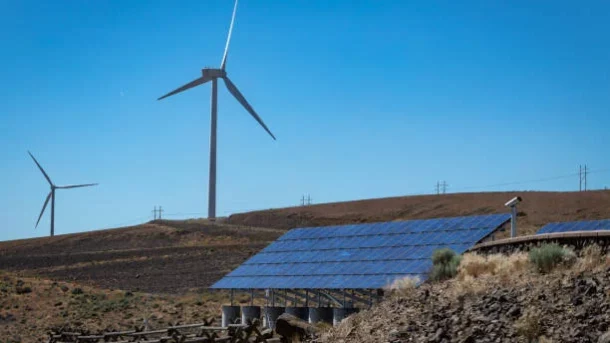
The “Kisan Urja Suraksha evam Utthaan Mahabhiyan” (KUSUM) program promotes the use of renewable energy in agriculture in India. The Ministry of New and Renewable Energy of the Government of India runs the centrally-sponsored KUSUM program.

The Kisan Urja Suraksha evam Utthaan Mahabhiyan scheme’s primary goals are as follows:

Installation of Solar Pumps: The program encourages the installation of solar pumps for agricultural fields that need irrigation. In order to reduce reliance on fossil fuels and provide a sustainable and affordable source of energy for irrigation, it intends to replace diesel or grid-powered pumps with solar-powered ones.

Solarization of Grid-Connected Agricultural Pumps: KUSUM supports solarizing Grid-Connected Agricultural Pumps. It encourages the installation of solar panels on land used for farming.

Off-Grid Solar Applications: The program’s main objective is to install off-grid solar applications in rural regions, such as freestanding solar pumps, cold storage units driven by the sun, dryers, and fencing. These programs support agricultural energy efficiency and assist farmers fulfill their energy needs.

Financial Assistance: KUSUM offers financial assistance for the installation of solar pumps and other renewable energy systems in agriculture in the form of capital subsidies, incentives, and loans. It aims to lower farmers’ upfront expenses and facilitate the adoption of renewable energy technology, making them accessible and affordable to them.