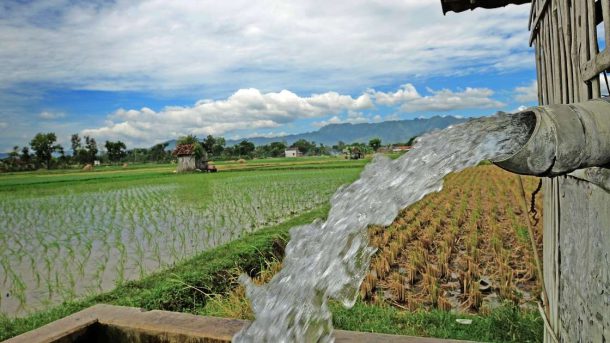
The critical stage of water requirement refers to the point at which water stress produces substantial yield decrease. It’s also referred to as the moisture-sensitive phase. Critical stages of water requirement in rice are active tillering, panicle initiation, booting, heading and flowering. During theses stages, the irrigation interval should not exceed the stipulated time so as to cause the depletion of moisture below the saturation level.
Irrigation
What are the advantages of furrow irrigation ?
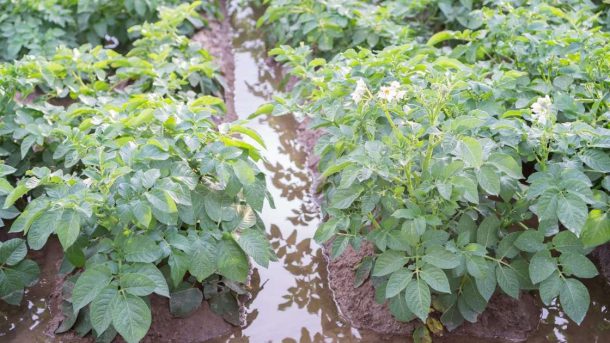
Furrow irrigation is suitable for row crops and vegetables and also suitable for soils in which the infiltration rates vary between 0.5 and 2.5 cm/hr. This type of irrigation is suitable for slopes varying from 0.2 to 0.5 per cent and when the stream size is 1-2 liters/sec. Furrows are very effective in areas requiring surface drainage or prone to temporary water logging. The practice of alternate or skip furrow irrigation can save considerable quantity of water without significantly affecting yields in areas where water for irrigation purposes is scarce.
What is Evapotranspiration and how it is important?
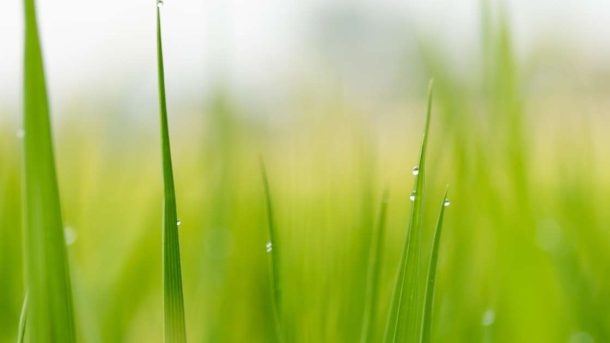
Evapotranspiration (ET) is the combined loss of water in the form of evaporation from the soil surface and transpiration from the plant through the stomata. Evapotranspiration which is the sum of transpiration through plant canopy and evaporation from soil, plant, and open water surface, can be the largest component of the hydrologic cycle. Improved techniques are needed for accurate quantification of ET on a field, watershed, and regional scale to enhance efficient use of water resources and protect the environment and water quality. Accurate quantification of ET is crucial in water allocation, irrigation management, evaluating the effects of changing land use on water yield, environmental assessment, and development of best management practices to protect surface and groundwater quantity and quality.
How drip irrigation works and what are the benefits?
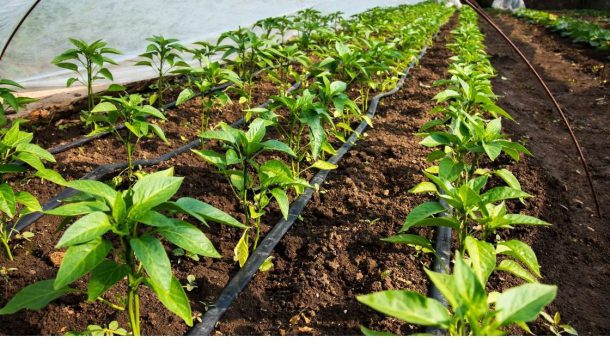
Delivery of water and nutrients are done across the field in pipes called ‘dripper lines’ featuring smaller units known as ‘drippers’. Each dripper emits drops containing water and fertilizers, resulting in the uniform application of water and nutrients direct to each plant’s root zone, across an entire field. Farmers prefer drip irrigation because compared to other of irrigation methods, it gives farmers an efficient and simple way to operate their farms. Benefits of drip irrigation include higher consistent quality yields, huge water savings ,100% land utilization , energy savings , efficient use of fertilizer and crop protection, and less dependency on weather.
What is drip irrigation?
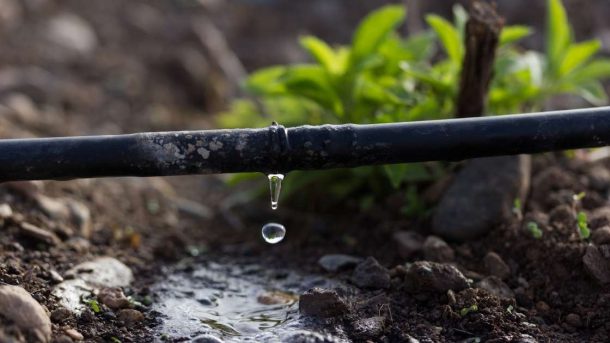
Drip irrigation is the irrigation system that delivers water and nutrients directly to the plant’s roots zone, in the right amounts, at the right time, so each plant gets exactly what it needs, when it needs it, to grow optimally. Drip irrigation is the most efficient water and nutrient delivery system for growing crops. With the help of drip irrigation farmers can produce higher yields while saving on water as well as fertilizers, energy and even crop protection products.
What is surface irrigation?
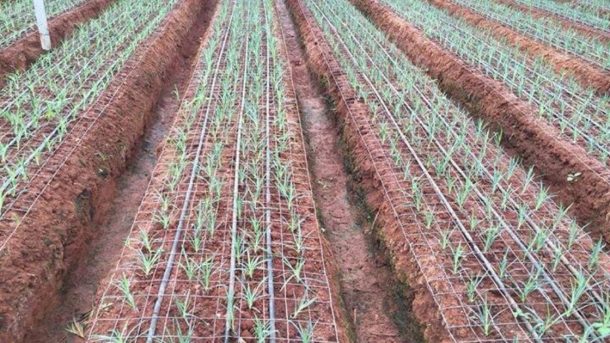
Various methods can be used to supply irrigation water to the plants like surface irrigation. Surface irrigation is the application of water by gravity flow to the surface of the field. Either the entire field is flooded (Basin Irrigation) or the water is fed into small channels(furrows) or strips of land (borders).