Irrigation

What are the issues related to land degradation and deforestation in the agriculture sector?

deforestation

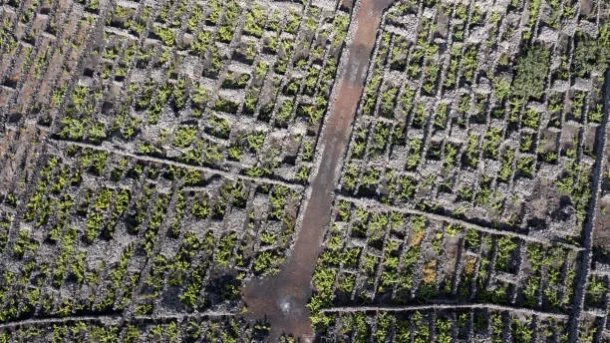
Erosion and deterioration of the soil can be caused by unsustainable agricultural practices such excessive tilling, misuse of chemical fertilizers and pesticides, and improper irrigation management. Erosion depletes the soil’s productivity and nutrient content by removing the top fertile layer. Farmers and food production are faced with difficulties due to degraded soils, which raise input costs and reduce crop yields.

Loss of biodiversity: Habitat destruction and biodiversity loss are caused by agricultural land degradation and deforestation. Plant and animal species, particularly those necessary for pollination, pest management, and ecosystem balance, are lost when natural ecosystems like forests, grasslands, and wetlands are converted into agricultural land. This decline in biodiversity may interfere with ecosystem functions and have adverse effects.

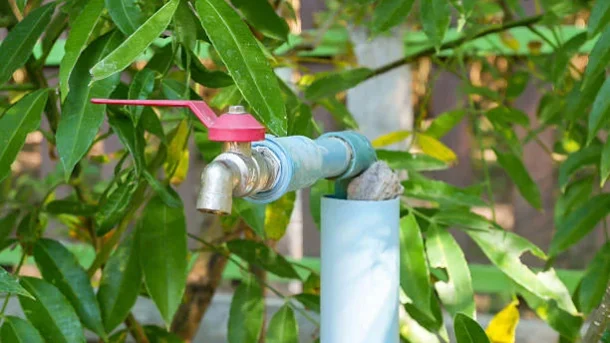
Agriculture is a large user of water resources, contributing to their depletion. Water resource depletion may result from unsustainable agricultural practices like excessive irrigation and poor water management. Aquifers can be depleted, rivers and streams can dry up, and there will be less water available for ecosystems and other industries as a result of excessive water consumption. The yields of crops and agricultural productivity can be directly impacted by water constraint.

Emissions of greenhouse gases: Deforestation, especially when done to make room for more farmland, increases greenhouse gas emissions, which primarily take the form of carbon dioxide (CO2). The destruction of vegetation and trees releases carbon that has been stored there into the atmosphere. Additionally, methane (CH4) and nitrous oxide (N2O) are released through agricultural operations including burning crop leftovers and overusing synthetic fertilizers.
What are the problems caused by inadequate access to affordable and reliable agricultural inputs and services?

inputs

Reduced productivity: Farmers’ capacity to maximize crop yields may be constrained by a lack of availability to high-quality seeds, fertilizers, insecticides, and other inputs. Farmers might find it difficult to control pests, illnesses, and nutritional deficiencies without the right tools, which would limit productivity and cause crop losses.

Reduced profitability: Farmers’ profitability may suffer from a lack of inexpensive access to agricultural inputs, which may raise production costs. Increased costs for seeds, fertilizer, and equipment, together with a lack of credit and insurance options, can make farming less profitable, especially for smallholder farmers.

Food insecurity: The availability and production of food can be hampered by inadequate access to agricultural inputs and services. Both rural and urban people may experience food shortages and higher prices as a result of inadequate agricultural yields and worse quality harvests. Food insecurity may be made worse by this circumstance, especially in areas that depend largely on agriculture.

Environmental impact: Farmers may turn to unsustainable practices, such as excessive use of chemical inputs or ineffective irrigation techniques, if they lack consistent access to appropriate inputs and services. These actions may have a negative effect on the environment and long-term agricultural viability by causing soil degradation, water pollution, and biodiversity loss.

What are the issues related to conflicts over land ownership and natural resource rights in the agricultural sector?

conflicts

Displacement and loss of livelihoods: Local communities, particularly indigenous peoples and small-scale farmers, may be displaced as a result of land conflicts. The loss of traditional knowledge, cultural heritage, and social cohesion results from displacement, which also upends their way of life and means they can no longer support themselves. Communities that have been displaced frequently struggle to find new sources of income, which exacerbates poverty and food insecurity.

Uneven resource distribution: Conflicts over land can result from the unfair allocation of land and other resources. Smallholder farmers and indigenous groups may be marginalized if land is concentrated in the hands of a small number of large, powerful organizations or agribusinesses. Inequalities in agricultural access to resources like water, forests, and grazing grounds accentuate socioeconomic disparities and continue to exist.

Conflicts over ownership of land and resources can result in the unsustainable exploitation of natural resources, which harms the environment and depletes natural resources. Multiple parties claiming ownership of the same land or resources can lead to resource depletion, inappropriate land management, and excessive use. Some of the environmental effects of disputes over land and resource rights include deforestation, soil erosion, water pollution, and biodiversity loss.

Violence and insecurity: Land disputes can deteriorate into hostile environments. Conflicting interests, dynamics of power, and long-standing socio-political conflicts are frequently present in disputes over land ownership and resource rights. In extreme circumstances, this can result in violent land-related disputes, endangering the life and well-being of the parties involved as well as their communities.

How does the limited access to land and resources for women farmers contribute to gender disparities in agriculture?

women farmers

Knowledge and awareness gaps: Farmers may be unaware of sustainable water management measures, such as effective irrigation methods, water-saving techniques, and crop water requirements. Women farmers’ capacity to make intelligent judgments and successfully implement sustainable water management methods might be hampered by a lack of information and technical expertise.

Financial limitations: Investing upfront in infrastructure, technology, and training is frequently necessary to adopt sustainable water management practices. However, many farmers, particularly smallholders, struggle with money problems and do not have access to finance that is cheap or financial assistance to make these investments. Farmers may be unable to use sustainable water management techniques due to a lack of funding.

Women frequently have less control over resources like water, seeds, and fertilizers since they often have less access to land. Their capacity to decide on crop selection, resource allocation, and farming techniques is impacted by this. Their capacity to embrace sustainable and cutting-edge approaches is constrained by their restricted ability to make decisions, which reduces their agency in agricultural production.

Differences in productivity and income: As a result of the aforementioned limitations, women farmers frequently experience lower production and income levels than their male counterparts. They might not have as much access to training opportunities, extension services, or better agricultural inputs. This causes lower yields and lessens their economic independence, which exacerbates the income and well-being gaps between men and women.

What are the challenges faced by farmers in adopting and implementing sustainable water management practices?

water management practices

Water scarcity and competition: Farmers frequently struggle with other industries for dwindling water supplies in many places of the world. Farmers may find it difficult to adopt sustainable water management practices as a result of this water competition because they may have trouble getting enough water for irrigation or face water use restrictions.

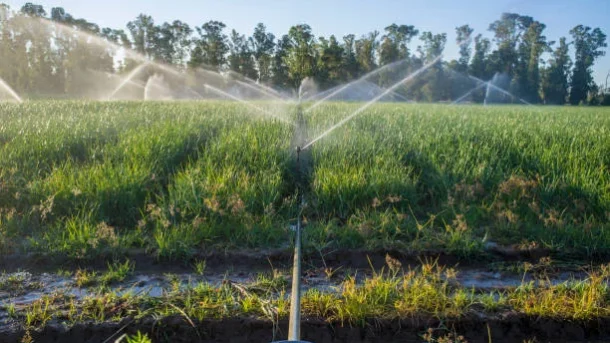
Lack of infrastructure and technology: To maximize water consumption, sustainable water management frequently calls for the employment of cutting-edge irrigation technologies like drip irrigation or precision irrigation systems. However, for many farmers, especially small-scale farmers with limited financial means, the up-front costs of constructing and maintaining such infrastructure can be a considerable barrier. The implementation of sustainable water management is hampered by a lack of affordable and suitable solutions.

Knowledge and awareness gaps: Farmers may be unaware of sustainable water management measures, such as effective irrigation methods, water-saving techniques, and crop water requirements. Farmers’ capacity to make intelligent judgments and successfully implement sustainable water management methods might be hampered by a lack of information and technical expertise.

Financial limitations: Investing upfront in infrastructure, technology, and training is frequently necessary to adopt sustainable water management practices. However, many farmers, particularly smallholders, struggle with money problems and do not have access to finance that is cheap or financial assistance to make these investments. Farmers may be unable to use sustainable water management techniques due to a lack of funding.

How does the absence of social and environmental standards impact the sustainability of agricultural production?

environmental

Degradation of the environment: Outdated methods and tools might not put environmental sustainability first. Agrochemical overuse, inappropriate waste management techniques, and poor soil management can all contribute to environmental deterioration in the form of biodiversity loss, soil erosion, and water contamination. These problems endanger ecosystems, but they also jeopardize the sustainability of agricultural systems in the long run.

Reduced profitability: The profitability of farming operations can be directly impacted by inefficient techniques. Farmers may experience fewer profitability as a result of increased input costs, decreasing yields, and deteriorated product quality. In addition to limiting the capacity of farmers to add value to their products, diversify into higher-value crops or products, or get access to premium markets, outdated technologies can also negatively affect farmers’ profitability.

Loss of ecosystem services: Agricultural output depends on a number of ecosystem services offered by natural ecosystems, including pollination, insect control, and nutrient cycling. Deforestation, wetland drainage, and other unsustainable land-use practices might cause these ecosystems to be destroyed in the absence of environmental restrictions. As a result, the loss of ecosystem services may have a detrimental effect on agricultural resilience and productivity, increasing farmers’ dependency on outside inputs and lowering the sector’s overall sustainability.

Social and labor issues: In the agriculture industry, a lack of social standards can result in abusive labor practices, hazardous working conditions, and worker rights violations. Farm workers may be exploited as a result, which could lead to low pay, lengthy hours, little social security, limited access to healthcare, and other problems.

What are the problems caused by inefficient and outdated agricultural practices and technologies?

inefficient

Low productivity: Low agricultural production is frequently the result of out-of-date methods and equipment. The amount of land that can be farmed, the yield per unit area, and the overall crop production can all be affected by inefficient farming techniques like manual labor or crude tools. This makes it more difficult for farmers to satisfy the rising demands for food, feed, and fiber.

Waste of resources: Ineffective procedures can result in the loss of priceless resources including energy, water, land, and fertilizers. Poor irrigation practices, erroneous fertilizer application, and ineffective pest control tactics can waste inputs and increase production costs. They can also deplete resources and degrade the environment.

Degradation of the environment: Outdated methods and tools might not put environmental sustainability first. Agrochemical overuse, inappropriate waste management techniques, and poor soil management can all contribute to environmental deterioration in the form of biodiversity loss, soil erosion, and water contamination. These problems endanger ecosystems, but they also jeopardize the sustainability of agricultural systems in the long run.

Reduced profitability: The profitability of farming operations can be directly impacted by inefficient techniques. Farmers may experience fewer profitability as a result of increased input costs, decreasing yields, and deteriorated product quality. In addition to limiting the capacity of farmers to add value to their products, diversify into higher-value crops or products, or get access to premium markets, outdated technologies can also negatively affect farmers’ profitability.

How does the lack of investment in agricultural research and innovation hinder sectoral growth?

agricultural research

Gains in productivity and efficiency are limited. New technology, methods, and inputs that increase productivity and efficiency in agriculture are developed in large part because to agricultural research and innovation. Modern farming methods are not widely used, and technological improvements are not made as a result of inadequate research funding. Because of this, agricultural output may stagnate or expand slowly, which will hinder the industry’s capacity to fulfill the rising demand for food, feed, fiber, and fuel.

Failure to address new problems: Agriculture is always dealing with problems including climate change, pests and diseases, degrading soil, a lack of water, and shifting consumer tastes. The creation of answers to these problems is made possible by sufficient investment in research and innovation. Without such investment, the industry may find it difficult to mitigate risks, adapt to changing conditions, and
Limited diversification and value addition: The sector’s ability to diversify and add value is facilitated by investments in agricultural research and innovation. Research paves the way for the creation of novel crop varieties, enhanced livestock breeds, and value-added goods that satisfy shifting consumer preferences and needs. Lack of funding makes it difficult to create and implement these innovations, which restricts the sector’s ability to add value, grow its market, and generate income.

Reduced competitiveness: Domestic and foreign producers compete with agriculture in a globalized market. As other nations or areas may have access to cutting-edge technologies, better farming techniques, and superior agricultural inputs, a lack of investment in research and innovation can lead to a reduction in competitiveness. The ability of farmers and the agriculture sector to embrace contemporary technology is hampered by inadequate investment.

What are the issues related to social inequality and marginalized communities in the agriculture sector?

marginalized

Resources: Marginalized populations frequently have hurdles to obtaining the land, water, credit, inputs, and technologies that are necessary for agriculture. The full participation of marginalized farmers in agricultural operations and the realization of their agricultural potential may be hindered by discriminatory practices, restricted rights to land tenure, and unequal resource allocation.

Income inequality: The agriculture industry can have considerable income inequalities as a result of social inequality. Small-scale farmers, migrant workers, and indigenous populations who live in marginalized communities may have lower earnings and less access to markets. Due to their weak bargaining position and unfair business tactics, they frequently encounter difficulties securing a fair part of the value chain.

Limited market access: Marginalized populations frequently experience difficulties reaching markets as a result of a variety of issues, including isolation owing to geography, poor transportation infrastructure, a lack of market knowledge, and few market connections. This restricts their capacity to interact with customers, work out better deals, and engage in marketplaces with higher value.

Marginalized populations are frequently underrepresented in decision-making processes including agricultural policies, resource distribution, and market rules. Their opinions and viewpoints can go unheard, resulting in laws and procedures that do not sufficiently take into account their requirements or aid in the growth of their agriculture.

What are the problems caused by inadequate access to credit and financial services for agricultural investments?

inadequate

Limited capacity for investment: Farmers’ ability to invest in their agricultural enterprises is constrained by a lack of access to finance and financial services. Farmers might find it difficult to afford basic inputs like seeds, fertilizer, equipment, and irrigation systems. They could also encounter challenges while implementing new technology, enhancing infrastructure, growing their business, or diversifying their crop production. Farmers’ ability to boost production, improve efficiency, and take advantage of market possibilities is hampered by inadequate investment capacity.

Low productivity and stagnation may result from farmers’ inability to finance the improvements they need to make to their operations. They might only be able to use outmoded farming techniques, poor-quality inputs, or inadequate machinery. This may lead to poorer agricultural yields, decreased profitability, and constrained future expansion. Farmers are hampered by inadequate financial resources.

Agriculture is intrinsically exposed to a range of risks, including those related to the weather, pests, diseases, and market volatility. Farmers are ill-equipped to deal with and recover from such shocks because they have little access to credit and financial services. They might not have the money to invest in risk reduction measures, buy crop insurance, or employ alternative techniques in trying times. Due to this sensitivity, there may be more financial strain, crop failures, and challenges with rebounding from setbacks.

Limited use of technology and innovation: Access to financing and financial services is essential for promoting the use of new agricultural technologies and innovations.

Inequality and exclusion: Small-scale and marginalized farmers frequently suffer disproportionately from inadequate access to credit and financial services because they may have insufficient collateral, poorer creditworthiness, or inadequate financial literacy. As a result, the agricultural industry becomes even more unequal as larger farmers or agribusinesses with better access to credit gain a competitive advantage and small-scale farmers struggle to get the resources they require. Rural-urban inequities are made worse and poverty is perpetuated by denying vulnerable farmers access to banking services.