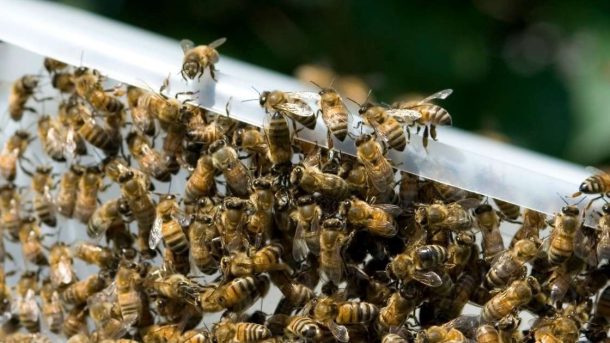
Beekeeping (or apiculture) is the practice of people keeping bee colonies, usually in man-made hives. Honey bees of the genus Apis are the most common, however other honey-producing bees like Melipona stingless bees are also kept. A beekeeper (also known as an apiarist) keeps bees to collect honey and other products produced by the hive (such as beeswax, propolis, flower pollen, bee pollen, and royal jelly), fertilise crops, or create bees for sale to other beekeepers. An apiary, sometimes known as a “bee yard,” is a place where bees are kept.
farming practices
What are the advantages of hydroponics ?
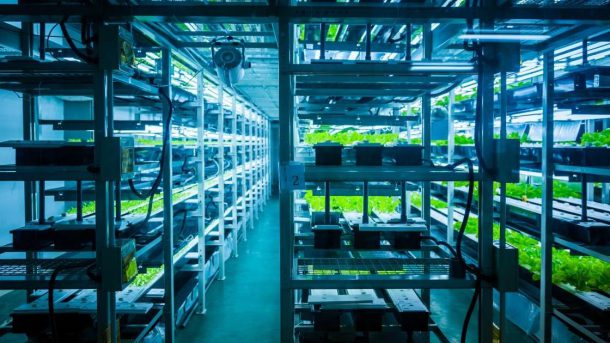
The increased control over growing conditions in hydroponics makes it easier to provide the best possible environment for plant, leading to better quality produce and high yield. Because the plant does not have to compete for moisture and nutrients, hydroponic productivity can be enhanced by about two times when compared to soil cultivation in a comparable area with proper care. During the changing seasons, a hydroponics garden can feed plants with the best quality nutrients. This will allow for maximum growth to be realised. Because land is not required, a tiny hydroponics garden can be grown up practically anywhere, including upstairs balconies, open areas, and sheltered structures. In general, hydroponics food tastes better and has a higher nutritional value than conventionally grown crop. .
What are hydroponics?
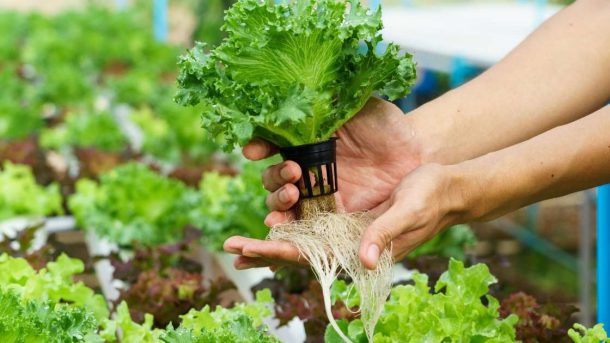
Hydroponics is a simple technique that involves growing plants in water rather than soil. Hydroculture is a subset of it. Water is dissolved in mineral nutrient solutions. Only the roots of terrestrial plants are exposed to the nutritious liquid, or the roots are physically supported by an inert media such as perlite or gravel. Julius von Sachs and Wilhelm Knop developed the first standard recipe for plant-growing fertiliser solutions dissolved in water. This is where the term “nutriculture” came from. It is now known as Water Culture. The roots of the plants were completely immersed in a water solution containing nitrogen (N), phosphorus (P), potassium (K), magnesium (Mg), sulphur (S), and calcium (Ca) minerals (Ca). They are now known as macronutrients or macroelements (elements required in relatively large amounts).
How grafting is done in grape vines ?
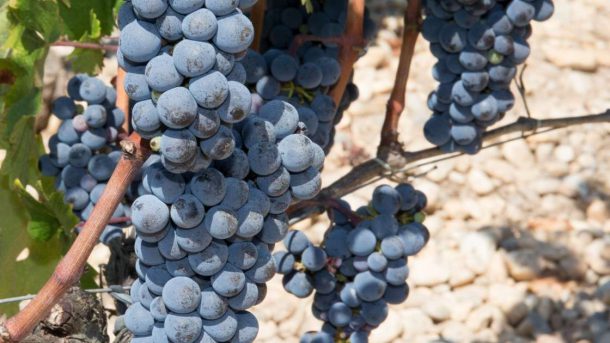
Grafting is usually done in the months of August and September. During this time, scion material will also be available in the surrounding area, which will save time. High temperature and relative humidity occur in the atmosphere during the grafting period, and the stock plants will also be in the sap flow state, which is a primary need for successful grafting in the field. Temperatures of over 350°C and relative humidity of over 80%, together with the grafter’s competence, aid in the successful grafting of plants in the field.
What is the climate requirement for growing cotton ?
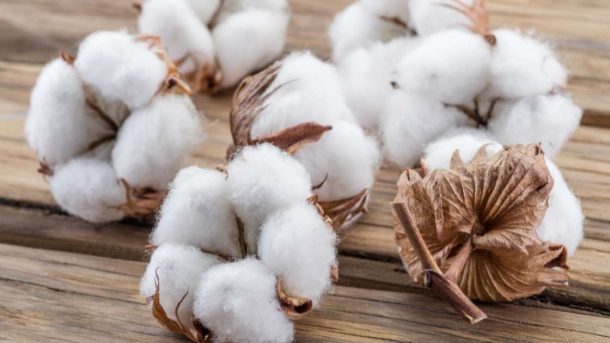
Cotton is a subtropical climate crop. Cotton requires a minimum temperature of 600 degrees Fahrenheit for germination, 70 degrees Fahrenheit for vegetative growth, and 80 degrees Fahrenheit with cool nights during the fruiting season. Unless cotton is produced on irrigated soils, cotton requires at least 50 cm of yearly rainfall. Rains and severe humid weather later in the cotton season may ruin the crop, reduce its ginning qualities, or encourage insect, pest, and disease attack. Rain at this stage will discolor the lint and impair its quality, therefore the weather should be clean while harvesting.
Which kind of soil is preferred for cultivation of onion?
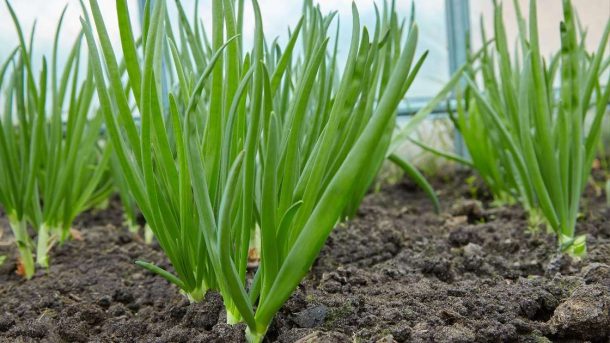
The best soil for successful onion cultivation is deep, friable loam and alluvial soils with good drainage, moisture holding capacity and sufficient organic matter but onion can be grown in all types of soils such as sandy loam, clay loam, silt loam and heavy soils . The bulbs produced may be deformed in heavy soil. with application of organic manure prior to planting onion crop can be grown successfully on heavy soil and preparation of the field for onion cultivation should be very good. The optimum pH range is 6.0 – 7.5 for all soils, but onion can also be grown in mild alkaline soils. Onion crop is more sensitive to highly acidic, alkali and saline soils and water logging condition. Onions do not survive in soils having pH below 6.0 because of trace element deficiencies.
What factors we should consider while selecting a sucker for banana cultivation?
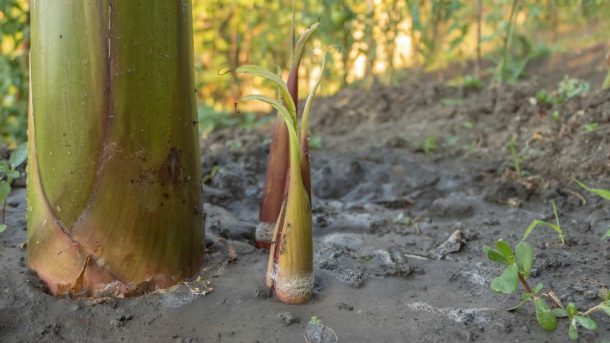
A sucker is a shoot that develops from a lateral bud on the rhizome and emerges from the soil usually near the parent plant. Suckers should be selected from a healthy field of banana. Sufficient care should be taken that suckers should not be damaged during digging and transport. Fresh sucker, weighing about 500 to 1,500 g, should be selected. For control of fungal diseases, suckers should be dipped in a solution of aurofugine1 (10 g / 100 litres of water) for 1.5 hour prior to planting.
How to correct acidic soil ?
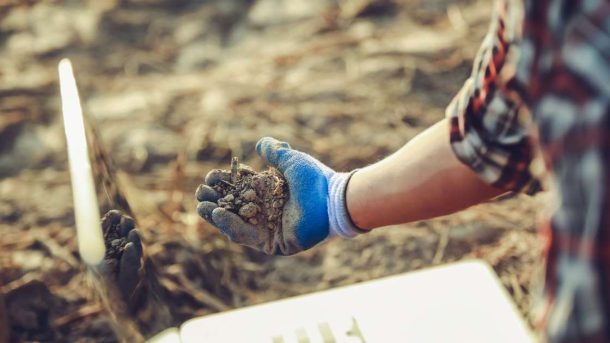
Soil acidity can be corrected easily by liming the soil, or adding basic materials to neutralize the acid present. The most commonly used liming material is agricultural limestone, the most economical and relatively easy to manage source. The limestone is not very water-soluble, making it easy to handle. Limestone acts as a soil acid neutralizer and consists of either calcium and magnesium carbonate or calcium carbonate. These are called dolomitic limestone and calcitic limestone respectively. Adding organic matter to the soil helps in balancing soil pH.
Which are the plant protection measures for citrus ?
Plant protection measures for citrus include elimination of phytophthora infected plants. In case of phytophthora infection drenching of plants with either metalaxyl MZ72 @ 2.75 g/l water or fosetyl Al @ 2.5 g/l water should be done. Second spray should be given after 40 days. To prevent infestation of insect pests like citrus leaf miner and thrips plants should be sprayed either with acetamiprid or thiamethoxam (0.2gm/litre of water) at 10 days intervals. The growth of plants is also affected adversely due to mite attack which can be controlled by spraying plans with Fenazaquin 10% EC @ 4ml/litre and wettable sulfur @ 3 g/l water, alternatively at 15-20 days interval.
What are the advantages of mechanization of agriculture ?
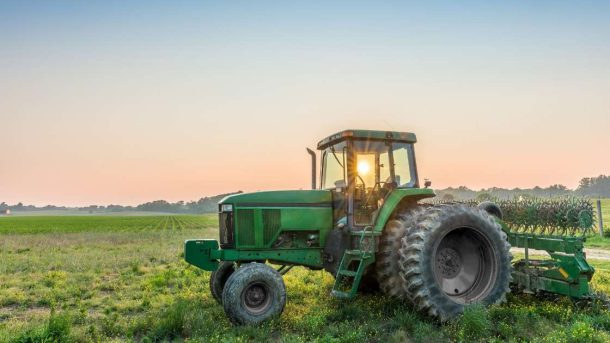
Appropriate machinery is required for ensuring timely field operations, effective application of agricultural inputs and reducing drudgery in agriculture. The advantages include increased cropping intensity, large area coverage and timeliness, increased farm labour productivity and increased crop productivity and profitability.