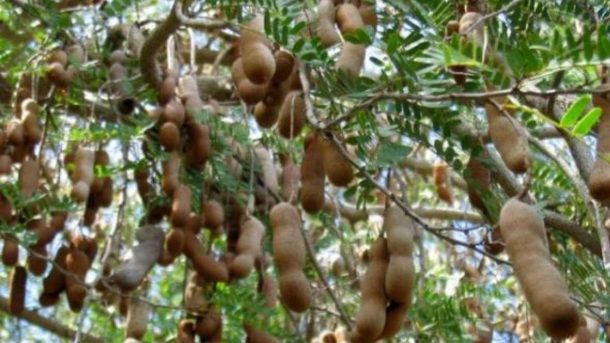
Tamarind can be grown in humid to dry hot regions and these trees have acid climatic adaptability. Tamarind trees are very sensitive to frost. The suitable rainfall requirement for the Tamarind tree is 750 to 1900mm but can thrive in the region having a low annual rainfall of 500 to 750mm. Tamarind is well suitable for semi-arid tropical conditions. Tamarind tree also grows well in several humid tropical areas with seasonally high rainfall. Tamarind tree grows well over a wide range of climatic and soil conditions, occurring in low-altitude woodland, savannah, and bush, frequently associated with termite mounds
climate
What is the Climatic Requirement for Hibiscus Cultivation?
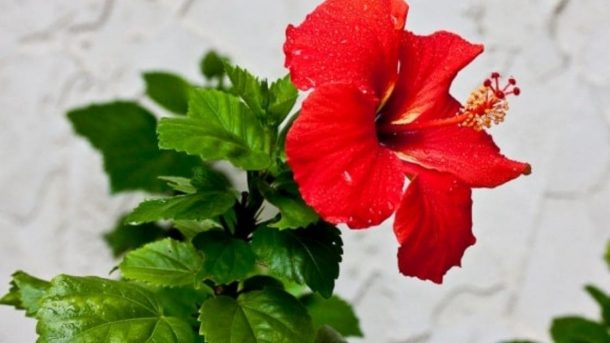
Hibiscus requires 4-8 months with night time temperatures not below 20°C. In addition, it requires 12-13 hours of sunlight during the first 5 months of growth to prevent premature flowering. Hibiscus plants require a monthly rainfall ranging from 5″- 10″ during the first 4 months of growth.
What is the Climatic Requirement for Carnation Flower Growing?
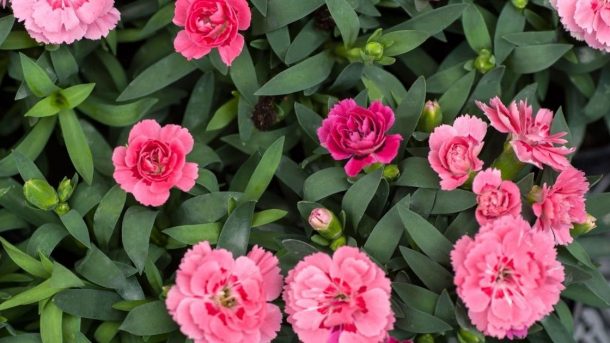
The carnation crop requires cool climatic conditions, low humidity, and long days with high light intensity. The standard carnation variety prefers a cooler climate than the spray cultivars. Carnations are long-day plants with high light requirements to yield high-quality flowers. Usually, they require minimum light of 22000 Lux for the required photosynthesis of carnations. The ideal day temperatures of 18°C to 25°C, night temperature of 10°C to 15°C, and relative humidity of 70 to 75 % are ideal for carnation flower growing.
What is the Agro-Climatic Conditions required for Sesame Farming?
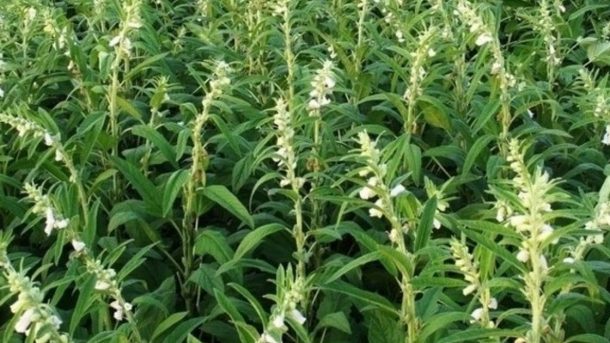
This crop can be cultivated at the elevations up to 1250 m. Sesame crop does not grow in frost conditions. Prolonged drought (or) heavy rains are not favorable conditions for its cultivation. Sesame crop is a tropical crop and this crop requires hot conditions during its growth period for best yield. Ideal temperature for sesame cultivation is between 25 °C -30 °C. Extreme low and very high temperatures effect the growth.
Which crop growth conditions help to get more yield of rice?
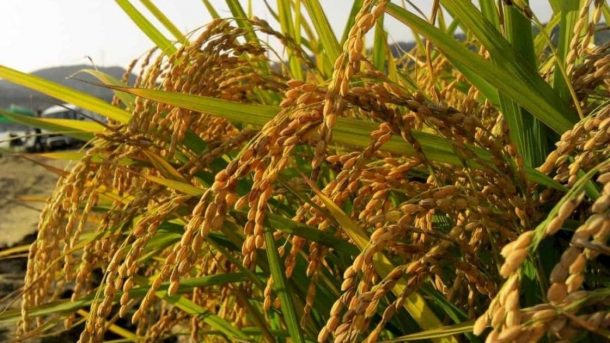
Rice is grown in 8° to 25° N latitudes and up to 2500 meters above sea level under different conditions. It is a tropical plant and needs more heat and moisture for its successful growth. The average monthly temperature should be quite high at 24°C at growth and 25- 30°C at harvest. The average annual rainfall required for rice cultivation is 150 cm.
What is the Climatic Requirement for Marigold Farming?
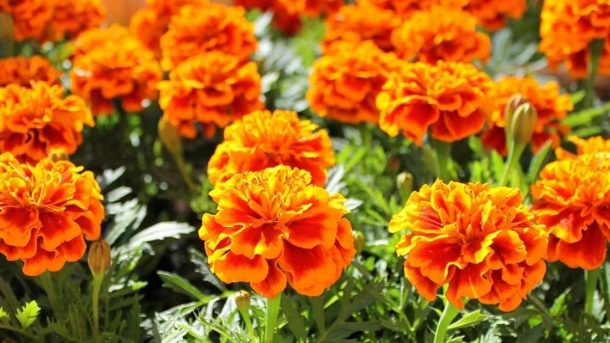
Marigold flowers thrive best in hot and dry as well as humid weather conditions. They grow best throughout the year under both tropical and subtropical conditions but require mild climatic conditions for best growth and flowering. The ideal temperature for optimal growth is 15°C – 29°C. Very hot climate may impact the flowering growth.
What is the climatic requirement for litchi farming?
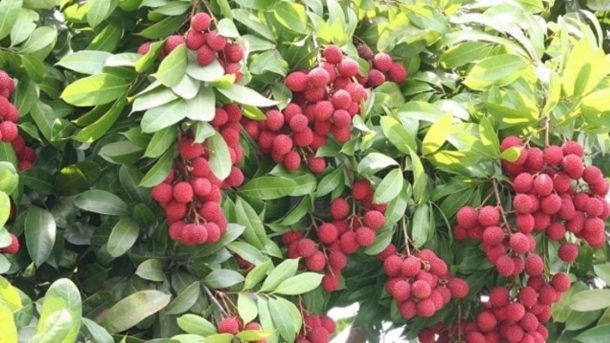
The temperate climate has been found to be very suitable for the production of litchi. It has been seen that due to clear sky increase in temperature and dry climate in the month of January-February there is a good in litchiplant in which more flowers and fruits are produced.
The development of litchi fruits is good in March and April due to less heat as well as normal humidity in the environment in April-May improves the quality and development of pulp in the fruits.
Which micro climate is suitable for vanilla farming?
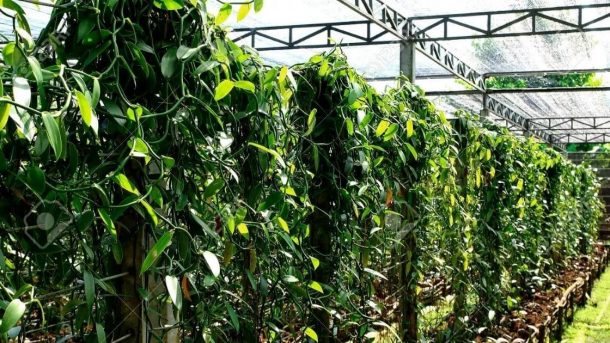
Green houses and shade nets provide a controlled environment for Vanilla plants, thereby producing more yields and this environment provides them the required humidity, light and temperature which are maintained by the essential components.
Any net that provides 60% of shade can be considered as the shade house. The irrigation and humidity requirements are fulfilled using micro sprinklers with both irrigation and misting or fogging facilities that are installed in the shade net house.
What is the climatic requirement for vanilla farming?

Vanilla plants require a warm and humid type of climate with a well distributed annual rainfall of about 150 to 350 cm and temperature range of 25°C to 34°C for optimum growth. It can be grown above mean sea level of 1400 metres and it prefers 45% shade and grows well under filtered light. Vanilla plants can be cultivated in shade houses or nets fitted with micro sprinklers and foggers in those areas where proper climate is not there.
What is the climate required for growing oil palms?
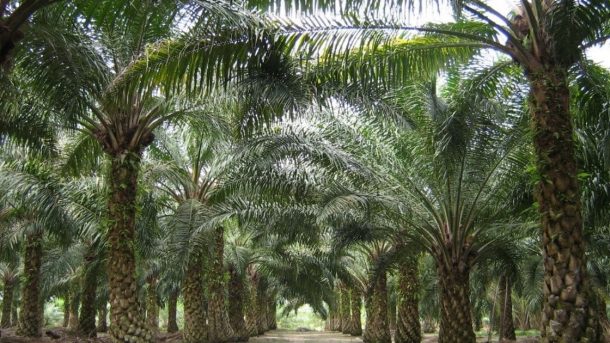
Oil palm is a humid crop and requires evenly distributed annual rainfall of 2500 to 4000mm. As we know even rainfall distribution is not possible, it is advised to cultivate oil palm crop under assured irrigation by adopting recommended practices. Oil palm crop comes up very at mean annual temperature of 20 to 27°C with bright sunlight for at least 5 to 6 hours a day. It is also important to have a humidity of more than 80% for the best yield.