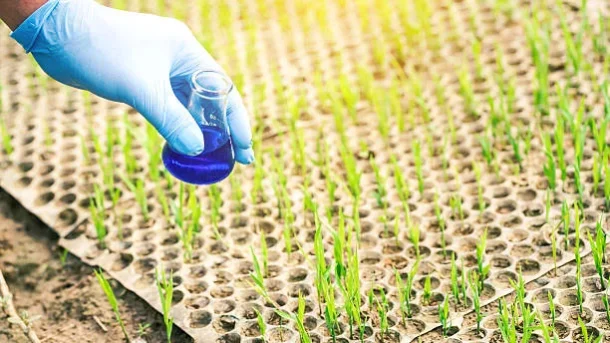
Chemical fertilizers

What are the latest innovations in agricultural machinery and equipment?

equipment

Several advancements in agricultural technology and equipment were being created and deployed as of my most recent update in September 2021 to increase productivity, sustainability, and efficiency in the agricultural industry. Here are some of the most recent advancements in agricultural gear and equipment as of that time, despite the fact that agricultural technology is constantly changing:

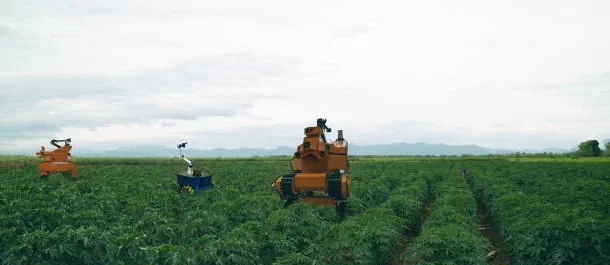
Autonomous tractors and equipment: Equipped with GPS and cutting-edge sensors, self-driving tractors and equipment may carry out a variety of tasks, including planting, spraying, and harvesting. Equipment that is autonomous lowers the need for manpower and allows more precise and effective operations.

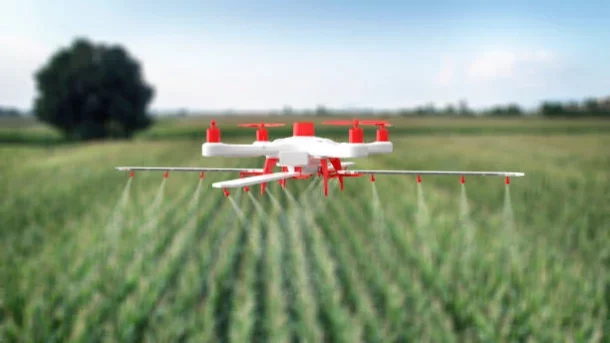
Drones and Unmanned Aerial Vehicles (UAVs): Drones with cameras and sensors are used for data collecting, aerial imaging, and crop monitoring. They offer farmers useful information for enhancing crop health, insect control, and irrigation.

Robotic Systems for Harvesting: In order to alleviate the labor shortage and improve harvesting efficiency, robotic systems that can pick fruits and vegetables are currently being developed.

Using real-time data and field conditions, farmers may administer inputs like fertilizer, herbicides, and seeds at different rates using a technology called variable rate technology (VRT). This technology lessens the impact on the environment while maximizing resource consumption.

Precision planting systems make use of cutting-edge technology to guarantee precise seed placement, spacing, and depth, improving crop establishment and yields.


How are consumer preferences for organic and locally sourced products affecting the market?

organic and locally sourced

The agricultural sector has been significantly impacted by consumer demands for organic and locally sourced goods, which have changed how food is produced, marketed, and distributed. These choices are a reflection of consumers’ rising interest in sustainable and healthier food options. Here are some significant ways that the market is being impacted by consumer demand for organic and locally sourced goods:

Rising Consumer Demand for Organic Products: Organic product demand has been rising over time. Due to its alleged advantages for human health and the environment, organic agriculture, which forgoes the use of synthetic pesticides and fertilizers, is becoming more and more popular. As a result, the market for organic produce, dairy, meat, and processed meals is expanding.

The cost of organic certification, reduced yields, and constrained economies of scale frequently result in organic products being more expensive than their conventional counterparts. Farmers have been encouraged to adopt organic methods because consumers are willing to pay more for them.

Organic farming is becoming more prevalent as a result of the increased demand for organic goods. In order to satisfy customer demand, more farmers are switching to organic farming methods, and new organic farms are being founded.

Sustainable Agriculture Practices: Aside from organic farming, other agricultural practices have been influenced by consumer demand for organic goods. Farmers, even those that do not pursue organic certification, may use eco-friendly and sustainable techniques to appeal to customers who care about the environment.

What is the role of agricultural cooperatives in the market?

agricultural cooperatives

Since they were established by farmers and agricultural producers to work together and collaboratively address shared needs and issues, agricultural cooperatives play a key role in the agricultural market. These cooperative groups run on the tenets of shared benefits, democratic control, and reciprocal aid. The following are some of the major functions that agricultural cooperatives play in the market:

Collective Bargaining Power: Farmers and producers have more negotiating clout with consumers, processors, and suppliers thanks to agricultural cooperative. Cooperatives can better its members’ rates and terms by pooling their resources and goods.

Market Access and Distribution: Cooperatives can give its members better market access, which enables them to more effectively reach buyers and consumers. They frequently manage the marketing and distribution of their members’ products, opening them bigger markets for small-scale farmers.

Risk management: Cooperatives provide methods for sharing risks, enabling members to collaborate on managing risks associated with production, price swings, and market uncertainty.

Input Procurement: Cooperatives can gain discounts and cost reductions for its members by buying agricultural inputs, such as seeds, fertilizer, and equipment, in bulk.

Financial Access: Agricultural cooperatives can make it easier for their members to get loans and funding, supporting investments in infrastructure, production processes, and machinery.

How are supply and demand factors influencing agricultural prices?

supply and demand

Market-based agricultural pricing are heavily influenced by supply and demand variables. Market equilibrium and price levels are determined by the interaction between the quantity of agricultural commodities producers are willing to supply and the quantity of agricultural commodities consumers are willing to demand at various price levels. As an example of how supply and demand affect agricultural price:

Production Levels (Supply): Prices are directly influenced by the volume of agricultural products produced and supplied to the market. When production is high, the supply grows and prices decline. On the other hand, when output is low, the supply shrinks, pushing up prices.

Weather: Weather has a significant impact on agricultural production. Favorable weather conditions, such enough rain and mild temperatures, can increase agricultural yields, increase supply, and possibly cut costs. Unfavorable weather conditions, such as droughts, floods, or extremely high temperatures, can lower harvests and constrict supply, raising costs.

Changes in Input Costs: Farmers’ production costs can be impacted by the price of inputs such seeds, fertilizer, pesticides, labor, and gasoline. Increased input costs may cause supply to decline and prices to rise.

Technological innovations: By enhancing productivity and expanding supply, innovations in agriculture technology and methods may result in cheaper costs.

What are the most significant challenges faced by farmers in the agricultural market?

farmers

Agricultural producers encounter a variety of difficulties that can seriously harm their lives and output. These difficulties can change depending on variables including geography, farm size, type of agriculture performed, and market conditions at the time. The following are some of the most important difficulties that farmers face:

Extreme weather events and climate change: Droughts, floods, heat waves, and storms are just a few of the unpredictable weather patterns that farmers must contend with. These occurrences may result in crop failure, lower yields, and higher production expenses.

Agricultural commodity prices can fluctuate on the market because of things like supply and demand mismatches, weather-related problems, and generalized economic situations. The revenue and profitability of farmers can be impacted by price changes.

Farmers frequently experience difficulty obtaining credit and financing at reasonable rates, which restricts their capacity to spend money on cutting-edge machinery, tools, and inputs.

Costs of inputs: Farmers may experience financial hardship due to rising prices for seeds, fertilizer, pesticides, and fuel, which may hinder their capacity to remain competitive in the market.

What role does technology play in the modern agricultural market?

modern agricultural market

The modern agricultural market is transformed by technology, which has completely changed how farming and agribusiness are performed. Agtech, or improvements in agricultural technology, has the potential to increase profitability, productivity, and sustainability in the industry. Here are a few crucial functions that technology has in the contemporary modern agricultural market:

Precision farming: To gather information on soil conditions, weather patterns, and crop health, precision farming uses technology like GPS, sensors, drones, and satellite photography. Farmers can optimize inputs like water, fertilizer, and pesticides thanks to this data-driven methodology, which leads to higher yields and less resource waste.

Internet of Things (IoT): IoT devices are being used more frequently in agriculture to monitor and manage a variety of operations, from animal health monitoring to irrigation and temperature control. Real-time data collecting is made possible by IoT, which improves productivity and decision-making.

Data analytics and artificial intelligence (AI): By processing enormous amounts of agricultural data, data analytics and AI technologies support farmers in making data-driven decisions. In order to forecast crop yields, spot disease outbreaks, optimize planting times, and better manage farm operations, machine learning algorithms may analyze data from numerous sources.

Automation and robotics in agriculture: Planting, harvesting, weeding, and pruning are just a few of the jobs that agricultural robots are made to do. Automation eliminates the need for human work, boosts productivity, and can help with the agricultural industry’s labor issue.

What are the advantages of using autonomous farm equipment?

autonomous farm equipment

In contemporary agriculture, using autonomous agricultural equipment has a number of benefits. The following are some major advantages of using autonomous farm equipment:

Efficiency and productivity are improved because autonomous farm equipment may run constantly without being affected by worker fatigue or time restrictions. They are able to work continuously, maximizing working hours and raising general effectiveness. Autonomous technology aids farmers in completing chores more swiftly and efficiently by decreasing downtime and boosting production.

Precision and accuracy: Autonomous farm equipment is outfitted with cutting-edge technologies including computer vision systems, sensors, and GPS. Accurate and reliable performance is made possible by these technologies, which also enable accurate navigation, mapping, and operation. Application of inputs, such as fertilizers or insecticides, with precision ensures focused distribution, minimizes waste, and maximizes resource use.

Savings: The labor expenses associated with some farm operations may be reduced with the use of autonomous farm machinery. Farmers can reduce labor costs by using automation, especially for labor-intensive or repetitive tasks. Autonomous machinery can also optimize inputs like water, fertilizer, or fuel, eliminating waste and lowering operating expenses.

Safety and minimized human risk: The direct human engagement in potentially dangerous operations is eliminated by autonomous agricultural equipment, improving safety on the farm. There is less chance of accidents, injuries, or exposure to harmful substances when fewer people are involved in dangerous procedures. Additionally, autonomous equipment lessens operator tiredness, which is a factor in mistakes and accidents caused by people.

 How can the application of nanofertilizers enhance nutrient uptake by plants?

plants

Through a number of ways, the use of nanofertilizers can improve plants’ ability to absorb nutrients. The following are a few methods that nanofertilizers can enhance nutrient uptake:

Increased nutritional availability: Nanofertilizers are made to give nutrients in tiny, high surface area-to-volume ratio particles that are nanoscale in size. Better contact and interaction between the fertilizer particles and the plant roots are made possible by the expanded surface area. As a result, nutrients are more easily accessible for the roots to absorb, increasing the effectiveness of nutrient absorption.

Release of nutrients under control: Nanofertilizers with controlled-release capabilities can be created. The release of nutrients can be controlled over an extended length of time by encapsulating them within nanoscale coatings or matrices. By matching fertilizer availability to plant demand, this controlled release prevents nutrient leaching and minimizes losses.

Increased nutrient solubility: Some nutrients, like phosphorus, might not be as soluble in soil as others. Through the formation of nano-sized particles or complexes that are more soluble and readily available to plant roots, nanofertilizers can increase the solubility of these nutrients. Even in soils with low nutrient availability, this solubility improvement enables plants to absorb vital elements more effectively.

Targeting of nutrients is improved thanks to the functionalization or modification of nanofertilizers. Enhancing the affinity of nanofertilizers for particular root absorption processes or specific nutrient transporters is possible by functionalization with particular compounds or ligands. This focused administration improves fertilizer uptake effectiveness and lowers nutrient losses to the surrounding soil.

How does the use of drones in agriculture reduce operational costs?

drones

Drones use in agriculture can cut expenses in a variety of ways, including:

Effective data gathering: Drones with cameras, sensors, and other data-gathering equipment may quickly and effectively gather a variety of data kinds, including aerial pictures, multispectral or thermal imaging, and LiDAR data. Drones can quickly cover enormous regions and collect high-resolution data at a fraction of the cost and time of conventional manual data collection methods. This effectiveness lowers the need for labor and related expenses.

Precision mapping and monitoring: Drones make it possible to precisely map and keep an eye on livestock, crops, and fields. Drone-collected aerial imagery and sensor data can give precise information about the health of crops, their growth patterns, soil moisture levels, and pest infestations. Farmers can focus on specific regions by identifying those that need care.

Crop health evaluation: Drones with specific sensors may take multispectral or thermal photos, which offer important information about the state of a crop’s health. Early indications of stress, food deficiency, or disease outbreaks that might not be evident to the naked eye can be found using these photos. Farmers can avoid the need for lengthy scouting, eliminate yield losses, and use fewer chemical inputs by quickly recognizing and resolving these problems.

Drones can be fitted with seed spreaders or sprayers to enable the exact application of inputs such as seeds, fertilizer, or pesticides. Drones eliminate waste, minimize chemical use, and maximize resource use by applying inputs just where they are required. This focused strategy aids in lowering input costs and lessens the environmental damage caused by excessive application.

 How does variable rate technology optimize fertilizer application?

variable rate technology

By precisely adjusting the rate of fertilizer delivery to the unique requirements of various sections within a field, variable rate technology (VRT) improves fertilizer application. The advantages of VRT for optimizing fertilizer application are as follows:

Site-specific management: To develop a thorough understanding of field variability, VRT uses data from a variety of sources, including yield maps, soil sample, remote sensing, and soil maps. Based on the soil fertility, nutrient levels, crop requirements, and other criteria, this data is utilized to create prescription maps that designate several zones or management units within the field.

Application rates that are specifically tailored to each management unit are made possible by variable rate technology technology using prescription maps. Higher fertilizer application rates are used in areas with greater nutrient requirements or deficits.

Increased nutrient use efficiency: VRT maximizes nutrient use efficiency by applying fertilizers in accordance with the unique nutrient requirements of various regions. When nutrients are applied where they are most required, overapplication and nutrient loss to the environment are minimized. This effective fertilizer use increases crop uptake, enhances nutrient balance, and reduces the negative environmental effects of excessive fertilizer application.

Cost reductions: By lowering fertilizer waste, VRT can result in cost savings. Precision fertilizer application eliminates overapplication in areas with adequate nutrition levels, reducing wasteful input expenditures. Farmers may cut fertilizer costs, apply nutrients just where they are needed, and increase overall profitability by using resources efficiently.