Agricultural schemes

 How is satellite imagery used in agriculture?

satellite imagery

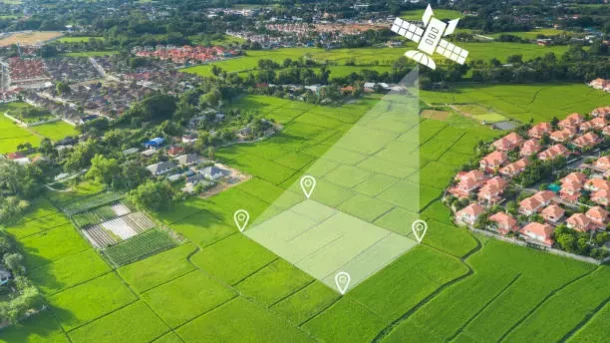
Crop monitoring: The health, development, and growth of crops can be tracked using satellite photography. The photos offer information on vegetative biomass, vigour, and stress signs such changes in chlorophyll concentration. Farmers can spot problem areas, spot early indications of disease, nutrient deficiency, or water stress by analysing satellite imagery, and then take preventative action to lessen possible problems.

Crop output can be forecasted by combining satellite imagery with additional data sources like weather information and past crop performance. Satellite imaging aids in forecasting and planning for future harvest results by tracking vegetation indices and growth patterns throughout the growing season. Accurate yield forecasting aids in improved resource allocation, logistics, and market planning decisions.

Field Mapping and Boundary Identification: Field mapping, defining field boundaries, and identifying certain geographical areas all make use of satellite images. Crop management, precision farming techniques, and adherence to laws or rules governing agriculture all benefit from this knowledge. Using satellite imagery for field mapping enables accurate field-level monitoring, analysis, and targeted actions.

Management of Irrigation: Satellite photography provide information on the soil moisture levels and irrigation requirements across vast agricultural areas. Farmers may improve their irrigation plans, ascertain when and how much water is needed, and avoid over- or under-irrigating by analysing satellite-based data. Thus, water consumption efficiency is improved. 
What are the advantages of using smart irrigation systems?

systems

Livestock management and observation are carried out by autonomous vehicles. For instance, in dairy farms, robotic devices can automate chores like feeding, milking, or waste management. These vehicles can independently drive and communicate with cattle thanks to sensors and computer vision. Autonomous drones or robots can also be used by livestock monitoring systems to monitor animal behaviour, health, or movement in sizable livestock operations.

Sampling and analysing soil is a task that can be accomplished by autonomous vehicles. They have equipment that allows them to take soil samples at predetermined field sites. These samples can then be examined to assess the pH, nutrient levels, or soil fertility. A more organised and effective method of doing soil testing is provided by autonomous soil sampling vehicles, allowing farmers to make knowledgeable decisions.

Weed and pest control: Targeted weed and pest management is carried out by autonomous vehicles. They may have sensors, cameras, or spraying systems that allow them to identify and target specific weeds or pests. These vehicles determine the appropriate locations to apply herbicides or pesticides and do so using computer vision and machine learning algorithms. Vehicles for weed and pest management that operate autonomously use less chemicals, have less of an impact on the environment, and protect crops more precisely.

Field mapping and data collection are carried out by autonomous vehicles, such as drones or ground-based robots. They gather information on crop health, topography, and soil moisture, giving precision farmers useful information. 

What is IoT (Internet of Things) in agriculture?

Internet of Things

Sensor Networks: To monitor and gather data on numerous factors, (Internet of Things) IoT devices and sensors are put in the field, greenhouse, or livestock facilities. These sensors collect data on a variety of variables, including soil moisture, temperature, humidity, precipitation, crop health, livestock behaviour, and more. The information gathered sheds light on the state of the environment, the development of plants, the welfare of animals, and resource management.

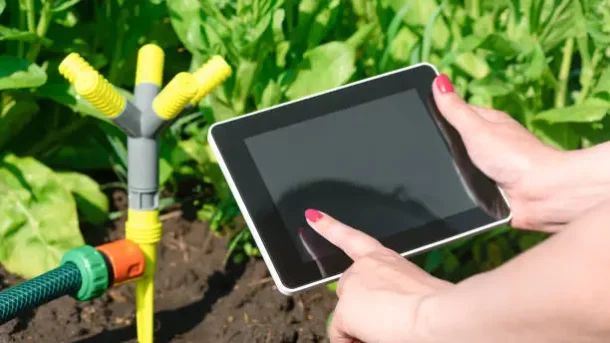
Remote Monitoring and Control: (Internet of Things) IoT makes it possible to monitor and manage agricultural operations from a distance. Farmers may access real-time data from their laptops, tablets, or cellphones to keep an eye on the health of their livestock, crops, irrigation systems, and other equipment. Farmers can modify parameters, such as irrigation schedules, temperature settings, or feeding systems, based on the gathered data and particular needs thanks to remote control capabilities.

IoT makes accurate and focused resource management possible, which supports precision agriculture practises. Farmers are able to use water, fertiliser, pesticides, and other inputs to their best advantage by combining data from sensors, satellite imaging, weather forecasts, and historical records. This focused strategy maximises crop yield and quality while minimising waste and environmental impact.

Automated Systems: Internet of Things (IoT) devices can automate numerous agricultural processes, requiring less manual labour. Automated irrigation systems, for instance, can modify water application based on current soil moisture information. Automation of processes like planting, harvesting, and livestock management is possible with robotic devices. These automated technologies increase operational effectiveness, decrease the need for labour, and provide 24/7 monitoring and control.

 What is the role of robotics in modern agriculture?

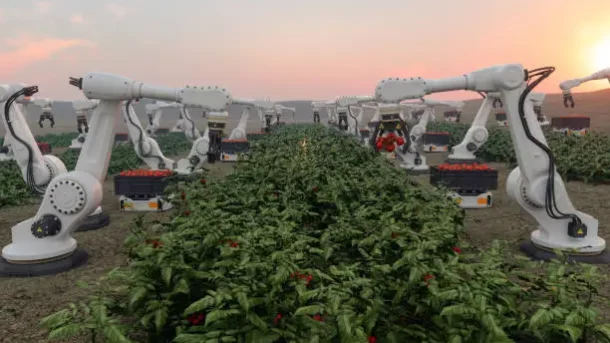
Automation of Labor-Intensive chores: By automating labor-intensive agricultural chores, robots can lessen the need for manual labour. They can efficiently and precisely carry out tasks including planting, seeding, transplanting, weeding, spraying, and harvesting. This automation boosts production, lowers costs, and addresses the labour deficit.

Robots with sophisticated sensors, computer vision, and machine learning algorithms are capable of carrying out tasks with a high degree of accuracy and precision. They may recognise and selectively target particular plants, weeds, or pests, consuming less water, fertiliser, and pesticides in the process. This focused strategy encourages sustainable farming methods while increasing efficiency and decreasing waste.

Robots with sensors and imaging capabilities may monitor and gather data on crops in real-time, including information on their health, their growth patterns, and their environmental circumstances. They may keep an eye on variables including temperature, humidity, nutrient levels, and soil moisture. Robotic data collection assists farmers in making educated decisions regarding crop-related practises such as irrigation, fertiliser application, disease management, and more.

Autonomous Machines and Vehicles: The usage of autonomous vehicles in agriculture is growing, including self-driving tractors and drones. These machines may operate autonomously and carry out duties including field mapping, crop monitoring, planting, spraying, and soil analysis. Autonomous equipment enhances operational effectiveness, lowers human error, and permits 24-hour farming operations.

  What is precision agriculture?

precision

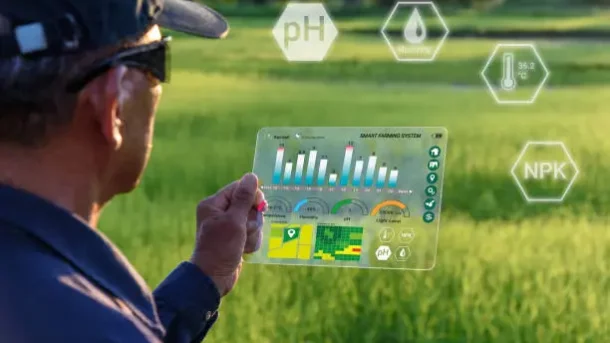
Precision farming, commonly referred to as smart farming, is a modern method of farming that makes use of technology and data analytics to maximise the effectiveness and production of agricultural practises. To acquire data on soil conditions, weather patterns, crop health, and other pertinent elements, it makes use of a variety of technologies, including remote sensing, satellite imaging, GPS, sensors, and data analysis tools.

Making focused judgements about crop management that are better informed is the main objective of precision agriculture. Farmers can learn a lot about their fields’ unpredictability by collecting and analysing real-time data. As a result, they may customise their farming techniques to certain regions or even specific plants, maximising resource allocation and reducing waste.The advantages of precision agriculture are numerous.

Farmers may carefully apply fertilisers, insecticides, and water only where and when it is necessary, cutting down on input costs and having a smaller negative impact on the environment. Farmers can spot possible problems early on by keeping an eye on the health and growth patterns of their crops, allowing for prompt actions to stop or lessen damage. Additionally improving crop yield and quality overall is this technology-driven strategy.

Additionally, precision agriculture makes it possible to accomplish operations like planting, spraying, and harvesting with greater accuracy and efficiency by using automated systems and machinery, such as autonomous vehicles, drones, and robotic equipment.

 What are the best practices for soil conservation and erosion control?

soil conservation

Soil conservation is the prevention of loss of the topmost layer of the soil from erosion or prevention of reduced fertility caused by over usage, acidification, salinization or other chemical soil contamination.

The use of pesticides can threaten soil conservation by contaminating the soil and nearby water sources. They affect soil structure and (biotic and abiotic) composition. Differentiated taxation schemes are among the options investigated in the academic literature to reducing their use.

Erosion control practice involves the placement of plastic covers, geotextiles, erosion control blankets, and mats to keep soil from erosion by water or wind. They primarily help newly planted crops to take root in slopes with flowing water.

However, plastic sheeting can only be effective in small erodible areas. Applying it in large areas can cause damage when the water runs off the cover.
that allows the water to flow through it to prevent the spread of water all over the land.

All structures should have pipes or gutters that can effectively drain water out of your yard into a water collection system. Places with heavy water runoff may need an installation of underground perforated drainage pipes.

How can I increase crop yield and quality?

crop yield

Agricultural productivity depends on the quality of seeds with which farmers sow their fields. Therefore, in order to increase crop yield on their farmlands, agrarians are recommended to sow only certified seeds that have passed all the necessary quality controls.

Certified seeds may cost higher than those that do not have certification, but the result will be worth it, because the proper quality of seeds is one of the main factors that affect crop yield. Besides that, planting only high-quality seeds represents one of the eco friendly methods to increase crop yield. If needed, a farmer can check the quality of particular seeds by referring to a relevant seed company and requesting it to conduct special trials on a given land plot.


The seed multiplication ratio is the ratio between the investment in seed versus the yield. For example, if three grains are harvested for each grain seeded, the resulting multiplication ratio is 1:3, which is considered by some agronomists as the minimum required to sustain human life. One of the three seeds must be set aside for the next planting season, the remaining two either consumed by the grower, or for livestock feed.

What is the National Mission For Sustainable Agriculture?

KCC

National Mission for Sustainable Agriculture (NMSA) is a central government program in India aimed at promoting sustainable and inclusive growth in the agriculture sector.

The National Mission was launched in 2010 with the objective of increasing agricultural productivity, improving the livelihoods of farmers, and conserving the environment. The program focuses on improving soil health, water management, and promoting agro-forestry, organic farming, and micro-irrigation.

NMSA also provides support to farmers for the adoption of new technologies and best practices, as well as for the development of marketing and value chain systems. The goal of NMSA is to create a sustainable and profitable agriculture sector that meets the needs of farmers, consumers, and the environment.

What is the PMFBY scheme?

PMFBY

PMFBY stands for Pradhan Mantri Fasal Bima Yojana, which is a crop insurance scheme in India launched by the government to protect farmers against crop losses due to natural calamities and other unforeseen events.

The scheme provides financial support to farmers in the event of crop damage and helps them recover their losses. PMFBY covers a wide range of crops, including food crops, oilseeds, and horticultural crops, and it is available to all farmers, regardless of the size of their landholding or type of farming. 

The scheme is implemented through a partnership between the government, insurance companies, and banks and aims to reduce the financial burden on farmers in the event of crop failure.

What is the PMKSY scheme?

PMKSY

PMKSY stands for Pradhan Mantri Krishi Sinchai Yojana, which is an Indian government scheme aimed at ensuring “per drop more crop” by improving irrigation systems in the country. The scheme aims to expand coverage of irrigation and enhance water-use efficiency in agriculture through the implementation of surface water and ground water development and management projects. 

The ultimate goal of PMKSY is to help increase agricultural productivity and reduce the reliance of farmers on rain-fed agriculture, thereby improving their livelihoods and food security.