Agricultural market

How are emerging technologies like blockchain being applied to improve transparency in agricultural supply chains?

transparency

New technologies like blockchain are being used in many ways to increase transparency in the supply chains for agricultural products. Here are a few instances:

Traceability and provenance: With the help of blockchain technology, every transaction and movement that takes place along the supply chain may be recorded in an unchanging, transparent manner. This enables the verification and traceability of agricultural products from the farm to the table. The blockchain enables the recording of every stage of the supply chain, including production, processing, packing, and distribution, giving customers comprehensive details on the provenance, caliber, and handling of the products they buy.

Supply Chain Visibility: By storing and exchanging data across numerous stakeholders, blockchain enables real-time supply chain visibility in the agricultural industry. This makes it easier to locate bottlenecks, keep track of product movement, and check inventory levels.

Quality Control and Certifications: Blockchain can be used to hold and confirm certifications for sustainability, fair trade, organic farming, and other standards of quality. On the blockchain, certifying authorities can store audit findings and generate digital certificates that can be viewed by all parties involved in the supply chain. Consumers may readily check the authenticity and compliance of the products they buy, ensuring transparency and fostering trust.

Food Safety and Recall Management: Blockchain technology can speed up the process of identifying impacted products and their origins in the event of food safety concerns or product recalls. Stakeholders may easily identify the cause of contamination or quality issues by storing information about each batch or lot of products on the blockchain.
How is vertical farming being adopted in urban areas?

urban

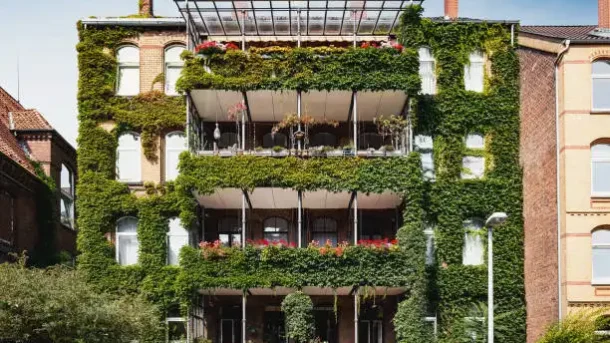
Due to its potential to make the most of limited space and grow food in a controlled environment, vertical farming is gaining popularity as a promising agricultural practice in urban areas. Here is how urban areas are embracing vertical farming.

Systems for vertical farming: Often indoors or in controlled circumstances, vertical farming involves growing crops in stacked layers or vertically inclined structures. These systems frequently employ soilless techniques like hydroponics, aquaponics, or aeroponics, in which plants are cultivated in water solutions or mist conditions rich in nutrients.

Warehouses and high-rise buildings: Urban vertical farms are frequently constructed in repurposed buildings like warehouses, high-rise buildings, or abandoned industrial locations. Multiple layers of crops can be planted vertically, greatly increasing the amount of food that can be produced per square metre of floor area.

LED lighting and climate control: LED lighting systems are used in vertical farms to deliver precise light spectrums that are optimised for plant growth and enable year-round production regardless of the availability of natural light. To establish the best growing circumstances, climate control technologies are used, including temperature, humidity, and CO2 management.

How are digital platforms and e-commerce transforming agricultural markets?

e-commerce

In order to interact, transact, and obtain information, farmers, buyers, and consumers now have new opportunities thanks to digital platforms and e-commerce, which is altering agricultural markets. Here are some ways that e-commerce and digital platforms are changing the world.

Market accessibility and transparency: E-commerce and digital platforms give farmers access to a wider range of markets outside of their immediate geographic area. They offer online markets that allow farmers and buyers to communicate directly, cutting out middlemen and facilitating transparent pricing. This enables producers to access a larger pool of potential clients and achieve higher rates for their produce.

Better market information is available because to digital platforms, which offer real-time data on prices, demand patterns, and supply chain dynamics. Farmers can use this information to make educated decisions about what to produce, when to sell, and where to sell it.

Streamlined logistics and distribution: By connecting farmers with transporters and logistics providers, e-commerce platforms enable effective logistics and distribution. As a result, post-harvest losses are decreased, the efficiency of the supply chain is increased, and timely delivery of agricultural products to consumers is ensured.

Financial services accessibility: Financial services including mobile banking, electronic payments, and credit facilities are frequently integrated into digital platforms. Farmers now have easy access to financial services, allowing them to better manage their finances and receive payments and working capital.

How has climate change impacted agricultural productivity and food security?

agricultural productivity

The impacts of climate change on agricultural productivity have created challenges for the global food chain. Here are a few ways that agriculture has been impacted by climate change.

Temperature and precipitation changes: Increasing temperatures and shifting precipitation patterns have a direct impact on the growth and development of crops. Crop yields can be affected by heat stress, and it can also affect pollination and raise water usage. Schedules for planting, irrigation, and harvesting can be affected by droughts or floods brought on by changes in rainfall patterns.

Changes to Phenological Cycles and Traditional Growing Seasons: Planting, flowering, and harvesting times may all be impacted by climate change. Agricultural practises may be difficult for farmers to modify in response to the changing environment, which could result in lower crop yields and unstable production.

Water Scarcity and Unpredictability: Climate change may make it more difficult to get enough water for irrigation systems, crops, and cattle in many areas. Water shortages may result from altered rainfall patterns and higher rates of evaporation, which may have an impact on agricultural productivity and food production.

Pest and disease spread: Changes in the climate can have an impact on the distribution and prevalence of pests and diseases, increasing the risks and difficulties in managing crops and livestock. Warmer weather can encourage the spread of illnesses and pests, necessitating more resources and pest control techniques.

What are the major challenges facing the global agriculture sector today?

agriculture sector

To ensure food security, sustainability, and equitable agricultural practises, the global agriculture sector faces a number of pressing issues that must be resolved. The following are some of the main issues that the world’s agriculture sector is currently facing.

need for Food and Population Growth: As the world’s population continues to rise, so does the need for food. Population growth is anticipated to reach 9.7 billion people by 2050, necessitating a substantial increase in agricultural output to feed everyone well.

Climate Change and Extreme Weather: Agriculture is seriously threatened by climate change. Increased frequency of extreme weather events including droughts, floods, and storms, as well as rising temperatures, can disrupt agricultural systems, lower crop yields, and lower livestock output.

Environmental Impact: Agriculture has a significant role in environmental problems such soil erosion, water pollution, greenhouse gas emissions, and biodiversity loss. To reduce its negative environmental effects and maintain ecosystems, the sector must embrace sustainable practises.

Labour Shortages in Rural Areas as a Result of Rural-Urban Migration: Rural-to-urban migration has caused a reduction in agricultural labour, resulting in labour shortages in rural areas. This problem is made worse by an ageing farming population and a lack of interest in agriculture among younger generations.

What are the benefits of using smart livestock tracking systems?

tracking systems

Real-time Location Monitoring: Intelligent livestock tracking systems technologies allow for the tracking and observation of specific animals in real-time. Within a defined area, farmers may follow the whereabouts of their livestock, making it possible to quickly and precisely identify where their animals are. This is especially helpful in large-scale farms or huge grazing systems where animals have access to vast tracts of land.

Smart tracking systems aid farmers in more effective management of their cattle. Farmers can more efficiently handle duties like feeding, herding, and medical procedures if they are aware of the exact position of the animals. It enables tailored actions, which cuts down on the time and work needed to find and manage individual animals.

Animal Welfare: Tracking systems help to improve the welfare and health of animals. Farmers can immediately see symptoms of distress, harm, or illness by closely observing the movements and behaviour of their animals. This makes it possible for fast medical attention and veterinary care, lowering the danger of disease spread and improving animal wellbeing.

Smart tracking devices are useful in preventing livestock theft and loss. Farmers are informed right away if an animal disappears or wanders beyond of established parameters. This reduces losses from theft, predation, or accidents by enabling swift action to identify and rescue the animal.

What is IoT (Internet of Things) in agriculture?

Internet of Things

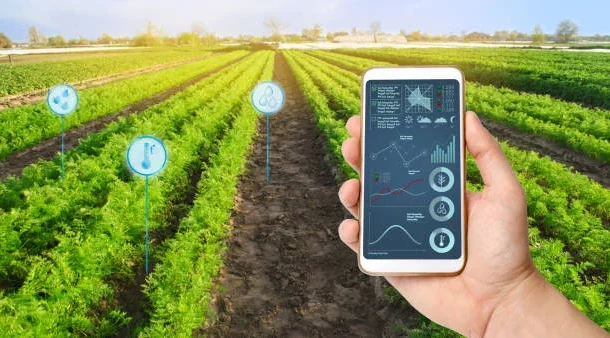
Sensor Networks: To monitor and gather data on numerous factors, (Internet of Things) IoT devices and sensors are put in the field, greenhouse, or livestock facilities. These sensors collect data on a variety of variables, including soil moisture, temperature, humidity, precipitation, crop health, livestock behaviour, and more. The information gathered sheds light on the state of the environment, the development of plants, the welfare of animals, and resource management.

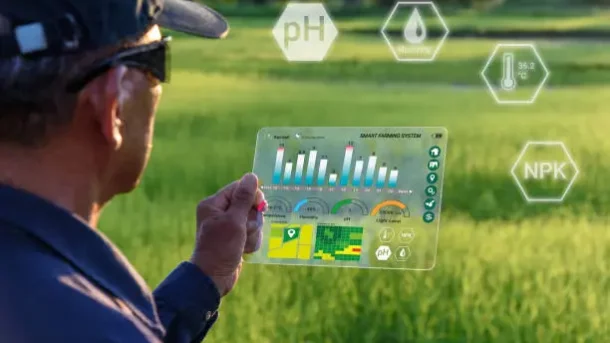
Remote Monitoring and Control: (Internet of Things) IoT makes it possible to monitor and manage agricultural operations from a distance. Farmers may access real-time data from their laptops, tablets, or cellphones to keep an eye on the health of their livestock, crops, irrigation systems, and other equipment. Farmers can modify parameters, such as irrigation schedules, temperature settings, or feeding systems, based on the gathered data and particular needs thanks to remote control capabilities.

IoT makes accurate and focused resource management possible, which supports precision agriculture practises. Farmers are able to use water, fertiliser, pesticides, and other inputs to their best advantage by combining data from sensors, satellite imaging, weather forecasts, and historical records. This focused strategy maximises crop yield and quality while minimising waste and environmental impact.

Automated Systems: Internet of Things (IoT) devices can automate numerous agricultural processes, requiring less manual labour. Automated irrigation systems, for instance, can modify water application based on current soil moisture information. Automation of processes like planting, harvesting, and livestock management is possible with robotic devices. These automated technologies increase operational effectiveness, decrease the need for labour, and provide 24/7 monitoring and control.

What is plant quarantine ?

plant quarantine

Plant quarantine is defined as a restriction imposed by duly constituted authorities on the production, movement, and existence of plants or plant materials, animals or animal products, or any other article or material, or normal human activity, in order to prevent or limit the introduction or spread of a pest, or to control a pest that has already been introduced, or to avoid losses that would otherwise occur.

Why organic food is expensive ?

organic food

In comparison to demand, organic food supply is restricted. Organic food production expenses are often higher due to higher labour inputs per unit of output. Post-harvest handling of relatively small quantities of organic goods results in greater expenses, notably for processing and shipping. Organic products have a somewhat inefficient marketing and distribution network, and expenses are greater due to small volumes. As the demand for organic food and products grows, technical advancements and economic efficiency are becoming more important.

What is APEDA ?

APEDA

APEDA or Agriculture and processed food production export Development Authority is in charge of promoting the export of fresh fruits and vegetables, processed foods, livestock products, and cereals. It serves as a vital link between farmers, warehouses, packers, exporters, surface transportation, ports, railways, airlines, and everyone else involved in the export trade, as well as the international market. It provides services to farmers and exporters from several states in the country, either directly or indirectly. It helps agricultural and processed food producers connect with exporters on worldwide markets by bridging the gap between them.