Advanced agriculture

How drones are useful in Indian agriculture?

drones

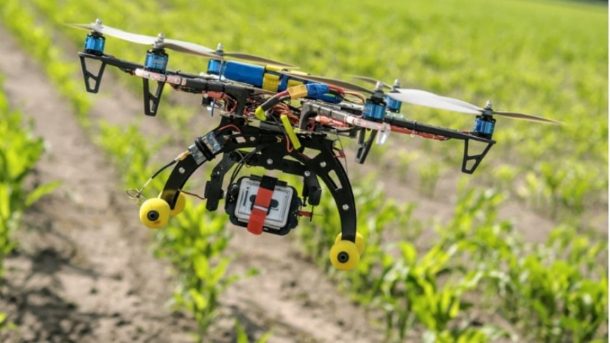
Drones can assist farmers in optimizing the use of inputs (seed, fertilizers, and water), responding more quickly to threats (weeds, pests, and fungi), saving time crop scouting (validating treatment/actions taken), improving variable-rate prescriptions in real-time, and estimating yield from a field.

The government has issued standard operating procedures (SOP) for the use of drones to spray pesticides on agricultural crops, a step that industry association CropLife India applauded on Thursday. Certain restrictions will apply to the use of drones for aerial pesticide spraying.

What is rooftop farming?

rooftop farming

Rooftop farming is a top trend in urban agriculture. This method makes careful use of an urban space that is generally unused and its positive environmental effects are appreciated. Roof farms provide additional insulation for building, maintaining low temperatures in summer and warmth in winter. Due to declining agricultural land, roof farming can be a viable option for urban agriculture, especially in Indian cities. Roof farming is gaining popularity in urban areas as it is easy to handle, economical and has a range of health and environmental benefits. It makes the city greener, simplifies waste management, improves air quality and provides unadulterated, fresh and nutritious food products. Roof gardens provide nutritious food throughout the year, which is enough for both high-income and low-income households. A wide range of fruits and vegetables such as Spinach, Cucumber, Cabbage, Tomato, Garlic, Onion, Guava, Strawberry, Herbs can be grown on rooftops.

 How digital innovation in Agriculture works?

digital

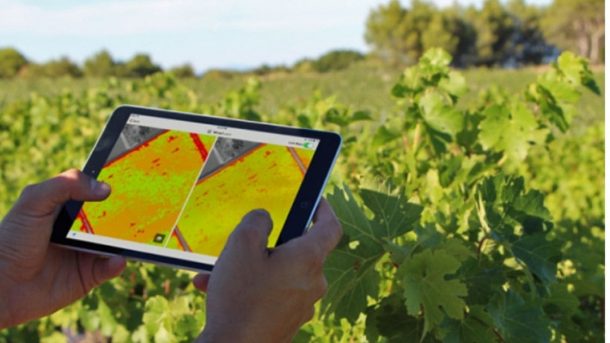
Digital technologies are used to improve agricultural outcomes and some examples are data science, digital communication channels, automation and sensors. Digital farming provides insights to farmers so that they can make decisions that will improve productivity. The farmers receive the data, by this it helps them to decide how to use it to best fit for their farm. An important advantage is that the data can be shared with other experts in the agro-industry including agronomists, Agri experts and other farmworkers, who form an integrated and strong collaboration. Digital agriculture has the power to change the lives of small farmers around the world. Digital solutions can help farmers access the best information, adopt the most efficient farming methods, improve the quality of their products and connect with the right buyer to maximize their income.

What is the role and benefits of Artificial intelligence in Agriculture?

Artificial intelligence

In the agricultural sector, it is playing a very important role, and it is transforming the agro-industry. Artificial Intelligence protect the agricultural sector from various factors such as climate change, population growth, employment issues and food security. It also helps in controlling pests, producing healthy crops, monitoring soil and growing conditions, managing data for farmers, assisting with workloads and the entire food supply chain.

With a growing global population and scarcity of resources, there are challenges to sustainable food production. Technological advances, especially artificial intelligence can help to make the whole food production process more efficient and improve the sustainability of agricultural techniques. The benefits of Using this technology can helps in automatic weeding and harvesting, Plant disease detection, improving soil health monitoring, more efficient irrigation of farmland, application of pesticides and herbicides.

What is Farm Automation?

Farm automation, often associated with “smart farming”, is technology that makes farms more efficient and automates the crop or livestock production cycle. An increasing number of companies are working on robotics innovation to develop drones, autonomous tractors, robotic harvesters, automatic watering, and seeding robots. Although these technologies are fairly new, the industry has seen an increasing number of traditional agriculture companies adopt farm automation into their processes. 

What are bonsai plants ?

bonsai

Bonsai is the art of growing and training a plant into a small form with an aged appearance. Although it originated in China, it is now known as Japanese art. It uses the technique of dwarfing in plants. Bonsai can grow as small as 30 to 60 cm tall, while smaller sizes of less than 25 cm have also been popular.

What is vertical gardening ?

vertical gardening

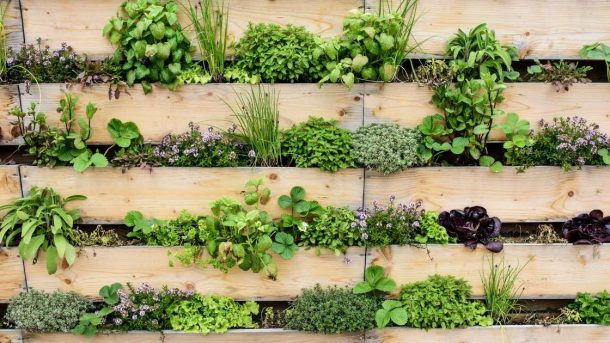
Vertical gardening is a type of urban gardening that is especially suited to tiny spaces and may be used to decorate the walls and rooftops in a variety of styles. This is a different approach to gardening that allows to grow plants in a vertical environment. There is very little horizontal area for outdoor gardening due to intensive urbanisation. Green walls absorb hot gases in the air, lowering both indoor and outdoor temperatures and resulting in a healthier indoor air quality as well as a more attractive environment.

What are the benefits of Bt cotton technology ?

Bt cotton

Bt cotton hybrids had good control of the American Boll worm and used fewer insecticides, resulting in a more environmentally friendly environment. In comparison to insecticide-mediated control of bollworms, Bt cotton technology does not affect non-target beneficial insects; in addition, this revolutionary technique reduces production costs, increases profit, reduces farming risk, and improves the economic outlook for cotton. This technology also aids in the improvement of wild life populations, the reduction of insecticide run-off, the reduction of air pollution, and the increased safety of farm employees and the surrounding community.

What is transplant stage of tissue culture ?

tissue culture

Transplant stage of tissue culture is the stage in which plantlet is transferred from the aseptic cultural environment to the free living environment of the green house. The plants ultimately requires hardening process to the final field location. The plantlet must not only root adequately but also must undergo a period of acclamation to enable it to survive and establishment.

What is Nutriseed Pack Technology ?

Pack Technology

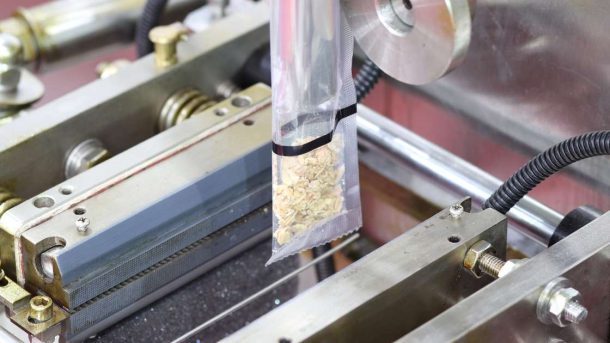
The Department of Soil Science and Agricultural Chemistry, TNAU, Coimbatore, created Nutriseed Pack Technology, a revolutionary way of crop production. Each plant can be established using Nutriseed Pack technology by placing a Nutriseed Pack in soil. Seed is on top with manure  in the middle, and encapsulated fertiliser is at the bottom of the Nutriseed Pack. Nutriseed Pack supports each plant in the root zone in terms of optimal nutrient delivery, biological activity, and so enables plants to utilise nutrients to their maximum potential. With Nutriseed Packs, there is no waste of fertiliser nutrients.