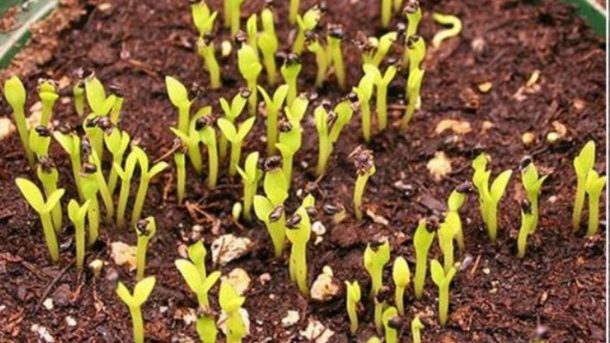
The most common method of propagating in Dragon fruit is cutting. However, you can also spread it through seeds. But the seeds take a long time and they will not continue the characteristics of their mother plant. That’s why the seed method is not suitable if you wish to do a commercial dragon fruit farm. Therefore, if you want the full benefits of Dragon fruit farming you should use plant cuttings from a standard mother plant.
ScientificFarmingWeb
How nicotine controls sucking pests and leaf miner?
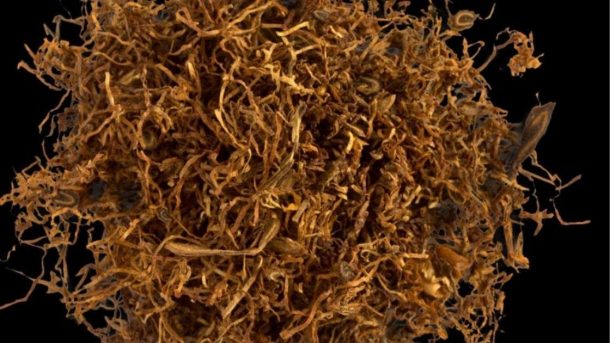
Nicotine is extracted from tobacco leaves. Nicotine is a powerful neurotoxin that is particularly harmful to insects. Nicotine is also used as insecticides. It is contact poison. It acts as fumigant in greenhouses. Nicotine kills insects rapidly, often within an hour. When applied externally, tremors and convulsions are seen, followed by paralysis. Mimics acetylcholine in nerve synapse, loss of coordination and eventually death.
How much water is required by the olive trees?
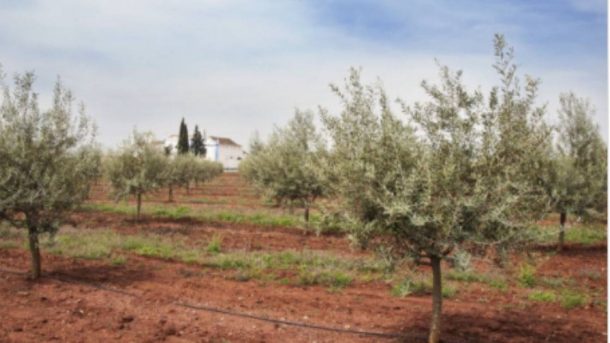
A young olive tree is expected to require 15 to 20 liters of water per week during the growing season. Providing irrigation, is an important factor for high quality fruit development. The volume of water required by the trees is dependent on the factors like age of the tree, size, humidity, wind, soil texture, soil depth, growth stage, rainfall etc. The drip irrigation system is deployed to irrigate the olive farms.
Some other watering recommendation for olive trees are: newly planted trees (0–1-year tree needs 10 liters of water per week in summer), 5-year-old olives tree needs 675 liters of water per tree, if the soil is dry and 10-year-old olives tree needs about 1875 liters of water per tree per watering cycle.
Which type of soil is suitable for olive trees?
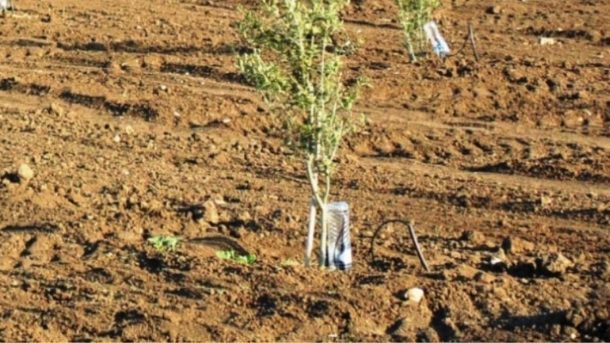
Olives thrive in regions with marginal soils. The soil should be well aerated and well drained in nature. Shallow soil base should be avoided. Too much sandy soil is not suitable for olive cultivation. Soil with 30 % clay and high gravel content is considered best for olive farming. The pH of the soil should be in between 5 to 6.
How do you prune olive trees?

While pruning the olive trees, it is preferred to make a few well-placed cuts rather than making many small cuts. A lopper or pruning saw is used for this process. The open centre or vase pruning is a very common practice for olive farming to facilitate sunlight penetration into the central parts of the tree. Branches that are taller are also removed to keep the height of the tree small. Pruning is done once in three years during the period from the end of winter and flowering period. These trees can also be pruned in spring or early summer after the appearance of flower buds. Trimming of the tree has to be always done after the winter rains are over.
How long does an olive tree take to bear fruits?
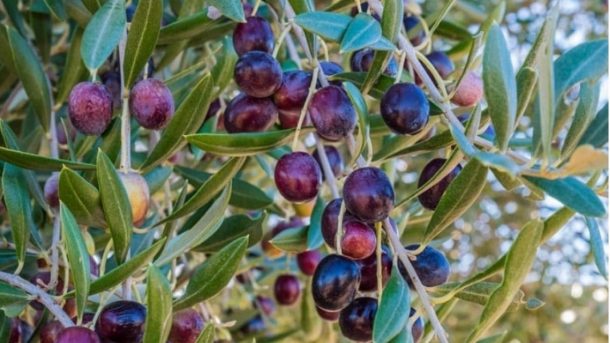
Depending on the variety of olive tree that is being cultivated, its bearing period changes. The normal age at which the plants start bearing fruit is in between 5 to 12 years. Certain varieties of olives like Koroneiki and Arbequina bear fruits in 3 years.
When and how fertilizers are applied to the olive tree?
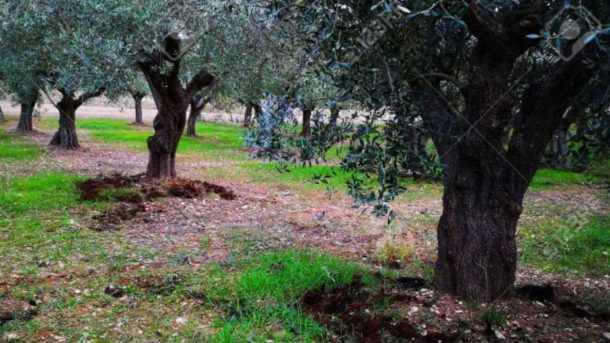
Fertilizers should be applied at the base of the plant at a certain distance from the trunk. The farm should be immediately watered after fertilizer application. Foliar spraying of fertilizers is only done during emergencies or deficiencies. No fertilizer should be applied to the trees during winter (after august till march) because the trees does not grow during this period. Most of the fertilizer is applied during the growing season.
How many olive trees can be planted per acre?
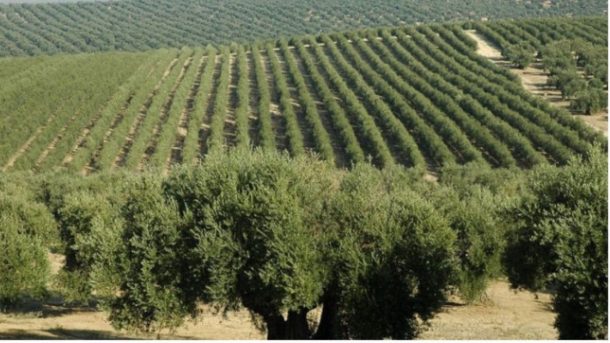
The traditional spacing between the olive trees is approximately 7 m or 30 ft. This spacing is no longer used except in regions that are deserted dry farm regions. The high-density planting can accommodate 200 to 350 trees per acre i.e., approximately 494 to 865 plants per hectare. The high-density system of planting can be used with any variety of olive.
There is one super high density planting system practiced for olive cultivation, where the spacing between plants is 5× 13 ft. This system can accommodate approximately 2083 trees per hectare.
Which factors one should take into consideration while selecting the variety of olive?
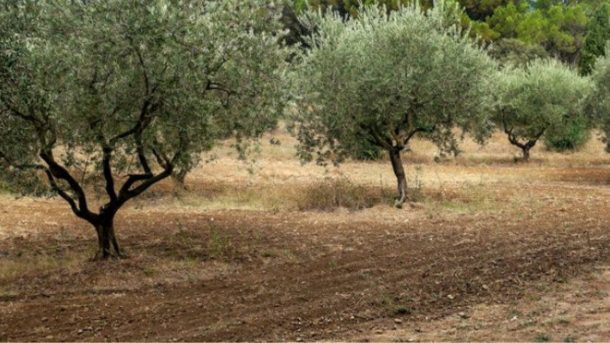
The basic characteristics desirable for selecting the olive varieties for farming are:
Low tree vigour, Easy harvest, large fruit size, better yield, High oil content, Rich flavour, Resistant to cold and disease, Pollinating type and Flexible maturity season.
Where do olives grow and what is the climatic requirement?
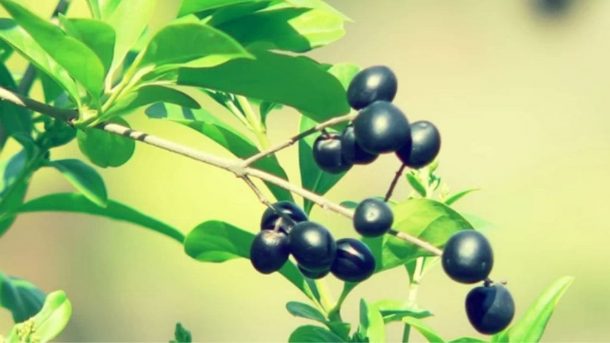
Olives grow in the region with sub-tropical and temperate climatic conditions. Hot weather conditions without much shade are suitable for olives. The trees need full sun and light winter chill for the production of fruit. Extremely low temperatures ( -10°C) can damage the mature trees. The average rainfall of the region should be around 650 -900 mm.