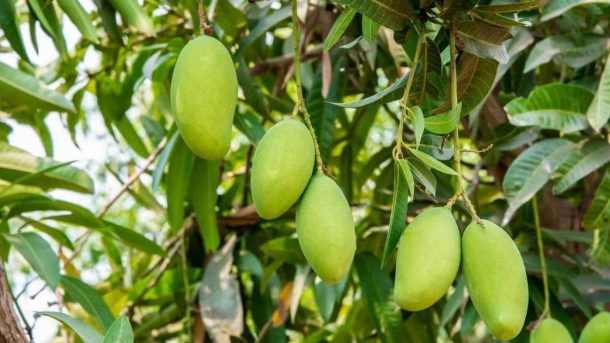
Profit also depends on the variety of Mangoes. High density farming allows up to 200 plants per acre whereas traditional mango cultivation adopts 45 to 60 plants per acre. Then, this automatically increases the yield per tree for the first 10 years of harvest. While the traditional method generates 2.5 to 3 tonnes, the high-density mango cultivation doubles the yield to about 5 to 6 tonnes per year.
ScientificFarmingWeb
What is ultra high-density mango plantation?
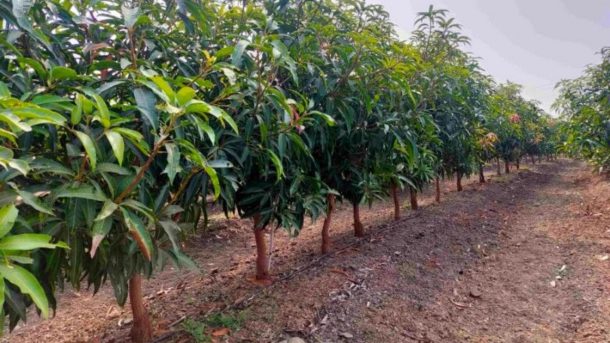
Ultra high-density Plantation is increasingly developed being used for mango plantations across the globe. UHDP can yield up to 200% more crop than the traditional method of cultivation. This system ensures optimal utilization of all resources while increasing the production per unit area. This ensures a uniform shape and colour of the fruit while maintaining its flavour and freshness. The increase in this production leads to higher exports as well. Then, this means more profit margins for the farmers which goes a long way in addressing the need for farmers welfare by improving their economic status.
What are the components of High-Density Planting?

The components of High-Density planting are; Use of dwarf scion varieties, adopting dwarfing rootstock and inter stocks, Efficient training and pruning, Use of plant growth regulating chemicals and suitable crop management practices.
What are the advantages of High-Density Mango Plantation?

The advantages of this method include increased yield and improves fruit quality. It reduces labour cost resulting in low cost of production and enables the mechanization of fruit crop production. Facilitates more efficient use of fertilizers, water, solar radiation, fungicide and weedicides. Best utilization of land and resources. Quality production of fruit crops. Easy for performing intercultural operations, plant protection and harvesting. It is profitable compared to traditional mango cultivation because it obtains export quality of the harvest. Requires proper fertigation and irrigation preferably drip. More maintenance than traditional mango cultivation. Easy to harvest as tree height is controlled. Less labour intensive, good sunlight and air penetration, better fruits.
What is High Density Plantation technology in Mango?
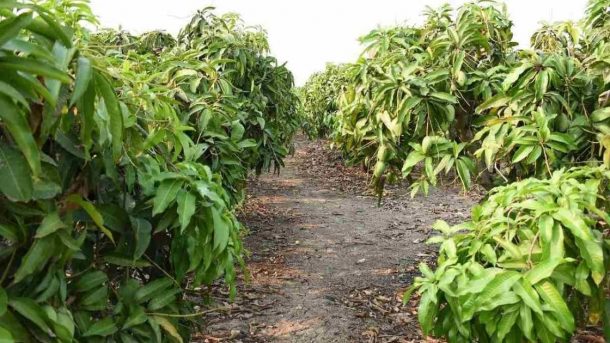
HDP technology is one of the improved production technologies to achieve the objective of; enhanced productivity of fruit crops, Yield and quality of the produce. It mainly aims to achieve the twin requisites of productivity by maintaining a balance between vegetative and reproductive load.
What are the advantages of RAS Fish system?
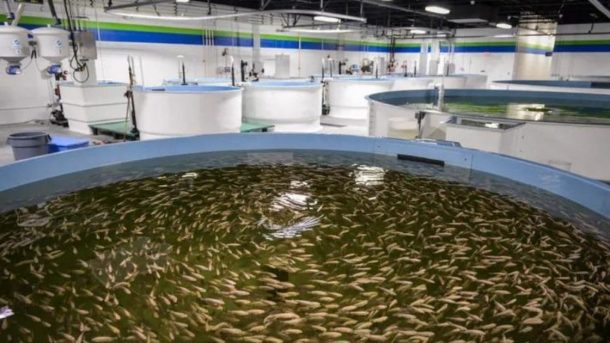
Tanks and equipment have a longer lifespan. Reduced reliance on antibiotics and therapeutics, resulting in higher-quality fish. Feed, predator control and parasites are all direct operating costs that may be reduced. Eliminate the possibility of parasites being released into recipient waterways. Climate change, illness, and parasite effects all reduce risk. RAS production allows for greater flexibility in terms of agricultural site and proximity to market. Allow for the generation of a diverse range of species regardless of temperature needs. When feeding can be closely monitored for 24 hours, RAS feed control improves significantly. Some variables, including as severe weather, unfavourable temperature conditions, external pollutants, and predation, might limit stock exposure to RAS stress. Enable the production of non-endemic species securely. Utilizing land and water in a good manner.
How does the RAS system work?

Recirculating aquaculture systems (RAS) purify the water in fish or shrimp tanks before reusing it. This significantly reduces the amount of water and land required to produce seafood on a big scale. Solid removal, ammonia removal, CO2 removal, and oxygenation are all processes in RAS.
How Integrated Nutrient Management is done in Pumpkin farming?
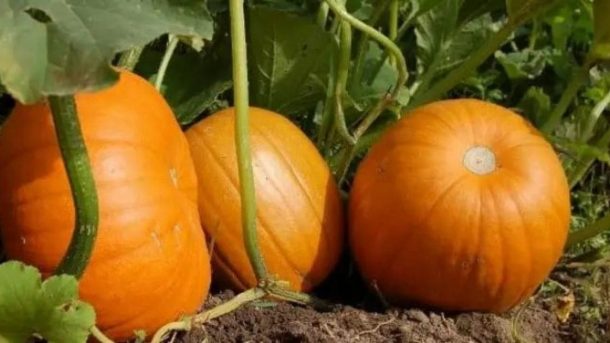
Integrated Nutrient Management (INM) is the proper and coordinated use of nutrients in crop by all possible means to strengthen soil health targeting sustainability. In INM, plant nutrients are provided through organic fertilizers and chemicals to meet the needs of crop. Organic manures are known for improving physical and chemical properties, creating a favourable environment for soil micro-organism and enhancing the efficiency of chemical fertilizer.
What are the Pests and Diseases occurring in Pumpkin Farming?

Epilachna beetle, fruit flies, and red pumpkin beetle are the main pests in pumpkin plantation. They can be controlled as in case of bitter gourd, Powdery mildew, and mosaic are the main diseases in pumpkin farming.
What is the Water requirement for Pumpkin plants?
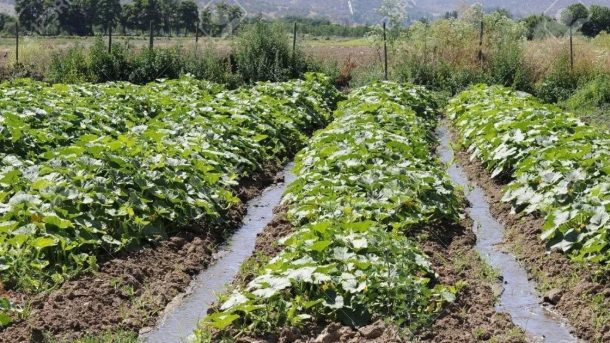
The irrigation should be given in an open field as per the requirement of the plants. During the initial stages of pumpkin plant growth, irrigate at an interval of 3 to 4 days. Irrigating on alternate days during flowering and fruiting will return in high-quality fruits.