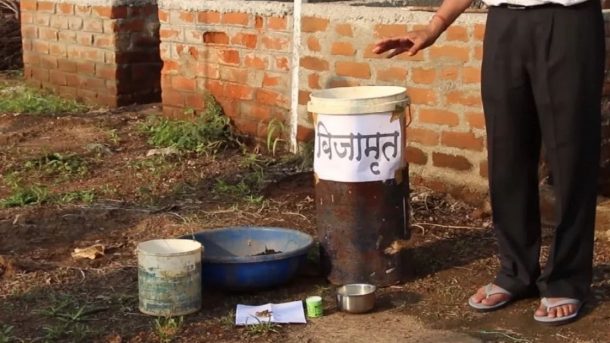
Apply as a seed treatment to the seeds any crop or coat them, mixing by hand and dry them well before using them for sowing. For leguminous seeds/ crops, just dip the seeds quickly and let them dry in shade.
ScientificFarmingWeb
How Beejamrutha is useful?

Beejamrutha is used as a treatment for seeds, seedlings or any planting plant material. It is very effective in protecting young roots from fungus and other microbes as well as from soil-borne and seed-borne diseases that commonly affect plants after the monsoon season. Beejamrutha is composed of similar ingredients as Jeevamrutha – local cow dung that is a powerful natural fungicide and cow urine which a strong anti-bacterial liquid, lime, and soil. It is nothing but the Jeevamrutha applied as a seed treatment.
How to prepare Jeevamrutha?
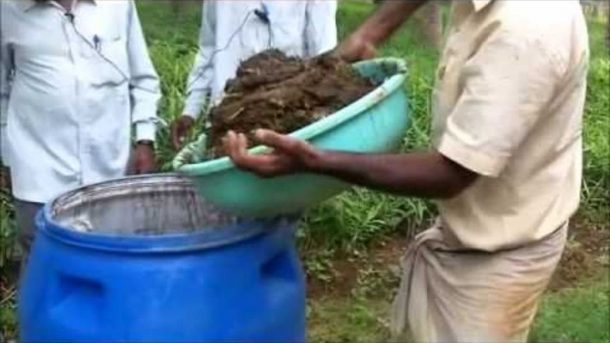
Add 200 liters of water into a barrel. Then, add 10 Kg fresh local cow dung and 5-10 liters of aged cow urine. Further, 2 Kg of Jaggery and 2 kg of pulse flour and a handful of soil from the bund of the field. Stir the solution at regular intervals well and let it ferment for 48 hours in the shade. Now Jeevamrutha is ready for application on the plants or to the field. 200 liters of Jeevamrutha is enough for one acre of land.
What is Jeevamrutha?
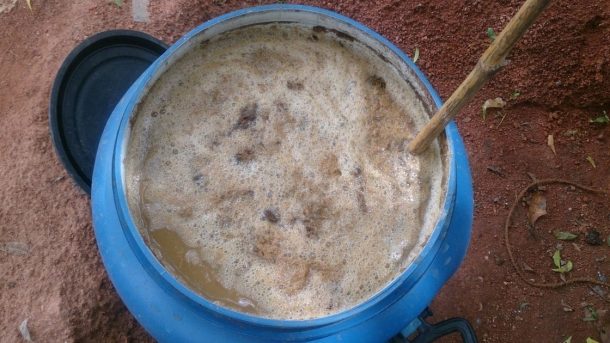
Jeevamrutha is a fermented mixture of microbial culture. It provides nutrients, and importantly, acts as a catalytic agent which promotes the activity of microorganisms in the soil, as well as increases the activity of earthworms living in the soil. After the 48 hour fermentation process, the aerobic and anaerobic bacteria present in the cow dung and cow urine multiply as they eat up organic ingredients (like pulse flour). A handful of undisturbed soil is also added to the preparation that acts as a inoculate of native species of microbial organisms. It also helps to prevent the disease caused plants by fungal and bacterial plant pathogens. Jeevamrutha is only needed for the first 3 years of the organic farming system, after which the soil system becomes fertile and self-sustaining.
When and How to Harvest Dwarf Cherries?
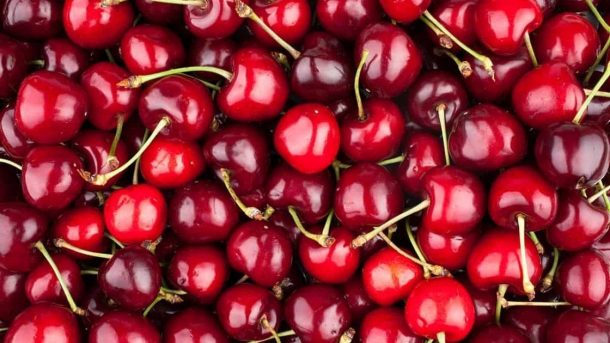
Standard sweet cherries produce fruit in 4 to 7 years after being transplanted into the garden. Dwarf varieties may produce fruit as early as 2 years after transplanting. The
tops of grafted trees are already 1 to 2 years old, while the roots maybe 2 to 4 years old. Harvest Dwarf cherries when they are fully ripe. Sour cherries are also known as pie cherries. Sour cherries producing fruit within 3 to 5 years after being transplanted in the garden. Dwarf varieties may produce fruit in 1 to 2 years.
What are the Problems for Growing Dwarf Cherry Trees?
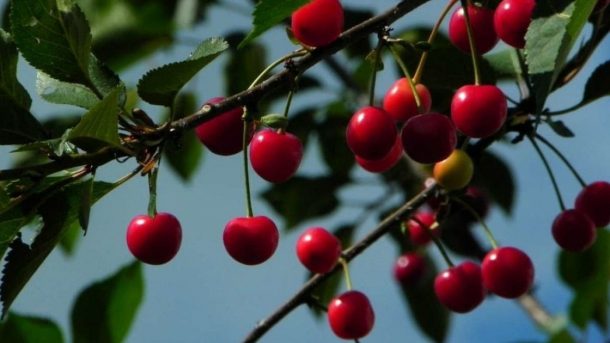
Pear slugs love your Cherry tree too. These are not regular ground-dwelling, yucky, slimy slugs that hide in the shadows and damp areas of your yard. Common Cherry tree problems are rot, spot, and knot diseases. Cherry trees can also get some diseases like blight, canker, and powdery mildew. Root and crown rot diseases result from a fungus-and it infects the tree if the moisture level of the soil is high, like when the tree grows in standing water. Symptoms of rot diseases include slowed plant growth, discolored leaves that wilt quickly in hot weather, dieback, and sudden plant death. If the Cherry tree has a rot disease, there is no a cure. Though, root diseases of Cherry trees can generally be prevented by making sure the soil drains well and regulating irrigation.
Use netting to prevent bird damage. In humid climates, cherry trees develop problems with fungal diseases such as brown rot. Because cherries ripen early, they have fewer disease problems compared to other fruit trees. Control by swirling a broom head in the test.
How to Take Care of a Dwarf Cherry Tree?

Water young Dwarf Cherry tree until the tree is established. Give an occasional soaking during periods of drought. Control weeds and grass under the Cherry tree with a 3- to 4-inch layer of organic mulch. Fertilize young trees in the early spring season. Fertilize fruiting trees after harvest and apply 2 ounces of a balanced fertilizer for each inch of trunk diameter. A Cherry tree with a 4-inch diameter trunk requires 8 ounces of fertilizer. Prune Cherry trees in late winter during the dormant phase. Shape the Chery tree to develop a main trunk with well-spaced limbs. Remove branches that cross or rub other branches. Young trees growing in windy areas benefit from staking even if they are not Dwarf varieties. Pruning doesn’t vary between Dwarf fruit trees and their larger counterparts when it comes to technique. Though Dwarf fruit trees have less surface area than standard trees, so they require less work to maintain.
How to choose the Right Type of Soil for Growing Dwarf Cherry Trees?
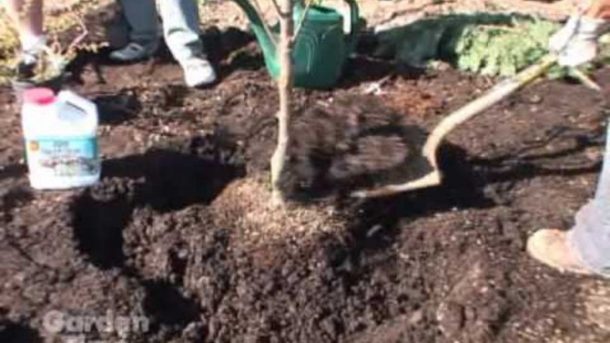
The major consideration with container grown fruit trees is the soil type. The growing medium (potting soil) chosen for a pot can change the amount of water needed for the tree, any good quality commercial potting soil will work fine. Also, for growing dwarf fruit trees, you can make your excellent potting soil by mixing up 1 part sand, 1 part peat moss, and 1 part perlite or vermiculite. Otherwise, care for a potted fruit tree must be the same as for a tree grown in the garden.
What is Meteor cherry tree?

The tree is a natural genetic Dwarf that grows to a height of about 8 to 12 feet. Also, it spreads to a similar size. They have a sour taste and are mainly used in juices, jams, jellies, pies, and wines. The Meteor Cherry tree pollinates itself and has attractive dark green color leaves. It produces colorful white flowers in the spring season, followed by red cherries in the middle of the summer. The leaves turn to a bright orange in the fall season. Meteor Cherry tree prefers full sun and soil with good drainage. It is a good choice for attracting birds and it normally lives for about 30 years.
What is Dwarf Bing cherry tree?
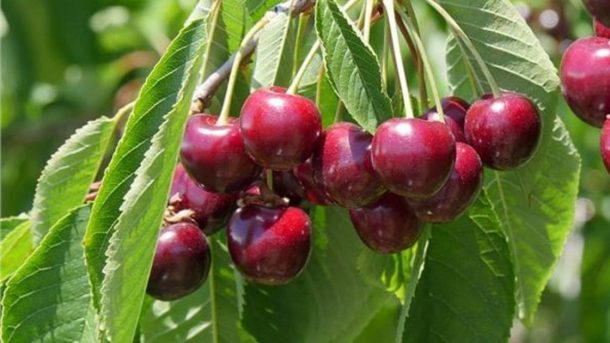
Dwarf Bing Cherry Tree has a deep red color. The size of its cherries is on the large size and the cherries are known for their good taste. It grows to a height of about 20 feet and it does not need a lot of maintenance. They have red-black skin and firm flesh. The Dwarf Bing Cherry tree has reddish bark, which makes it a good choice as a landscaping tree when contrasted with its green color leaves in the summer. The plant leaves turn colors such as red and orange in the fall. It is not self-fruitful, which means it should be pollinated by another Cherry tree.