POSTEDITOR OFFICE

How is the agriculture sector addressing the issue of post-harvest losses?

post-harvest

Improved Harvesting Methods: Using good harvesting methods, such as sharp instruments, timing, and handling procedures, can lessen physical harm to crops when they are being harvested. As a result, there is a lower chance of post-harvest losses from bruising, cutting, and mechanical harm.

Efficient Handling and Transportation: To avoid post-harvest losses, good handling and transportation procedures are essential. This entails making use of the suitable packaging materials, cutting down on handling distance and time, and assuring efficient loading and unloading procedures. Effective transportation systems, such as cold chain infrastructure and refrigerated vehicles, aid in preserving product quality and reducing losses during transit.

Investing in better storage facilities, such as cold storage, silos, and warehouses, can considerably lower post-harvest losses. crops against pests, pathogens, dampness, and temperature swings with the use of adequate storage facilities.

Value-Added Processing: By transforming perishable crops into processed goods with longer shelf lives, value-added processing can help reduce post-harvest losses for agricultural products. Processing methods including canning, freezing, juicing, and drying help maintain the nutritional content of crops while minimizing spoilage losses.
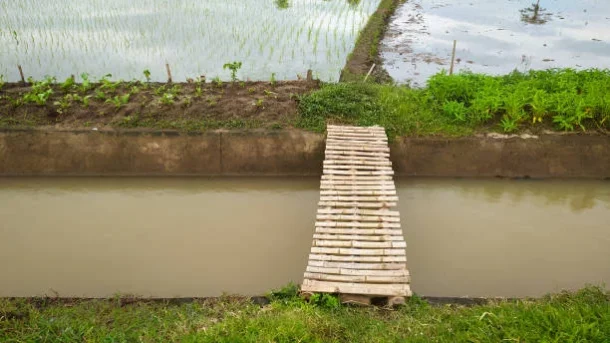
What are the challenges and opportunities in agricultural water management?

water management

Water Scarcity: Managing water use in agriculture is difficult due to water scarcity, which is caused by variables including population growth, climate change, and competition for water supplies. Particularly in arid and semi-arid areas, a lack of water can reduce agricultural productivity and increase farmers’ susceptibility.

Efficiency of Irrigation: Irrigation is a key component of many agricultural systems, and poor irrigation techniques can waste water and make it less available for other uses. Low irrigation efficiency and potential water scarcity are caused by subpar irrigation methods, old infrastructure, and inefficient water management.

Water Pollution: The runoff of fertilizers, pesticides, and animal waste into water bodies is one way that agricultural activities can contribute to water pollution. The quality of the water, aquatic ecosystems, and human health may all be negatively impacted by this.

Impacts of climate change include increased frequency of extreme weather events, altered hydrological cycles, and uncertainty and variability in rainfall patterns. These adjustments present difficulties for agricultural water management, necessitating adaptation tactics like better water storage, effective irrigation methods, and water saving practices.

How are farmers adopting climate-resilient crops and farming systems?

climate

Crop Diversification: By cultivating a range of crops with various levels of climatic adaptation, farmers are diversifying their crop portfolios. This strategy lessens the danger brought on by climatic variation and extreme weather occurrences. Farmers can increase their ability to adapt to changing climatic conditions and diversify their sources of revenue by growing a variety of crops.

Crop types that are particularly bred or chosen for their resistance to climatic stressors including drought, heat, floods, and pests are becoming more and more popular among farmers. Extreme temperature tolerance, better water use efficiency, disease resistance, and early maturity are just a few of the characteristics these types possess. Farmers can lessen the detrimental effects of climate change on food production by selecting crop types that are climate-resilient.

Conservation Agriculture: Techniques for conservation agriculture are becoming more and more popular, including no-till or reduced tillage, crop residue management, and cover crops. The resilience of farming systems to climate change is increased by these techniques, which help to improve soil health, water retention, and carbon sequestration. Additionally, conservation agriculture improves nutrient cycling, prevents soil erosion, and preserves moisture.

What are the current discussions on the impact of agriculture on climate change?

agriculture

Greenhouse Gas Emissions: Agriculture is a major source of greenhouse gas (GHG) emissions, particularly through the production of nitrous oxide (from fertilizers and manure management) and methane (from cattle and rice agriculture). Strategies to lower these emissions are discussed, including better fertilizer management, the adoption of low-emission livestock systems, and the promotion of more environmentally friendly rice growing methods.

A considerable amount of carbon dioxide is released into the atmosphere as a result of deforestation and land use change caused by agriculture, particularly the expansion of agricultural land. The discussions center on stopping deforestation, safeguarding forests and other natural ecosystems, and encouraging climate change mitigation strategies including agroforestry and replanting.

Discussions have focused on how agriculture has the ability to store carbon in soils, which can reduce greenhouse gas emissions. Improved soil health can aid in carbon sequestration and increase agricultural sustainability through techniques including cover crops, conservation tillage, and organic matter additions.

Adaptation and Resilience: Agricultural systems face difficulties as a result of climate change effects such as altered precipitation patterns, an increase in the frequency of extreme weather events, and temperature swings. The adoption of climate-resilient crop varieties, water management techniques, and system diversification are just a few examples of how resilience and adaptive ability are being built into agricultural practices and systems.

How is the use of agrochemicals being reduced and replaced with sustainable alternatives?

IPM is a method that focuses on combining several pest control techniques in order to reduce the use of chemical pesticides. It entails keeping an eye on pests, using biological control agents, putting cultural methods (such as crop rotation and trap farming) into effect, and, as a last option, using chemical pesticides. IPM seeks to keep pest numbers below those that are environmentally harmful and economically destructive.

Biological control: Using beneficial insects, nematodes, or microbial agents—all natural enemies of pests—to suppress pest populations is known as biological control. This strategy encourages ecological equilibrium and lessens the demand for artificial pesticides. Using insect pathogens, releasing predator insects, and using biopesticides made from naturally occurring microbes are a few examples.

Crop Diversity and Rotation: By preventing the population growth of pests and lowering the demand for chemical controls, crop diversity and rotation help break pest cycle cycles. Farmers can stop the multiplication and survival of pests by switching crop species and families. Additionally, a field or farm’s general resilience to pests and illnesses can be improved by growing a variety of crops there.

What are the advancements in soil health management and regenerative practices?

advancements

Cover Cropping: To cover and protect the soil, particular plant species are typically planted, either in between cash crops or during fallow times. Through this technique, soil structure is enhanced, organic matter content is increased, erosion is decreased, water infiltration is improved, and habitat for beneficial creatures is created. The creation of cover crop mixtures adapted to particular soil and climatic conditions as well as the use of precision planting methods for the best cover crop establishment are examples of advancements.

Reduced or no conventional plowing or tilling is used in conservation tillage techniques to lessen soil disturbance. This maintains soil structure, reduces erosion, boosts water retention, and encourages microbial activity. Development of specialized tools and methods, like strip tillage and no-till planting, are among the conservation tillage advancements.

Precision nutrient management and soil testing: Soil testing has evolved with the use of cutting-edge analytical techniques to more precisely analyze soil fertility and nutrient levels. Precision nutrient management approaches, such as site-specific nutrient recommendations and variable rate fertilizer application, aid in maximizing nutrient usage effectiveness, minimizing nutrient losses, and minimizing environmental effects.

How are emerging technologies like 3D printing being applied in agriculture?

3D printing

Equipment prototyping and production: 3D printing makes it possible to produce agricultural machinery and equipment parts quickly. It enables for the easy iteration and modification of specially developed components. As a result, conventional manufacturing techniques have shorter lead times and lower prices, which encourage creativity and experimentation in the creation of new equipment.

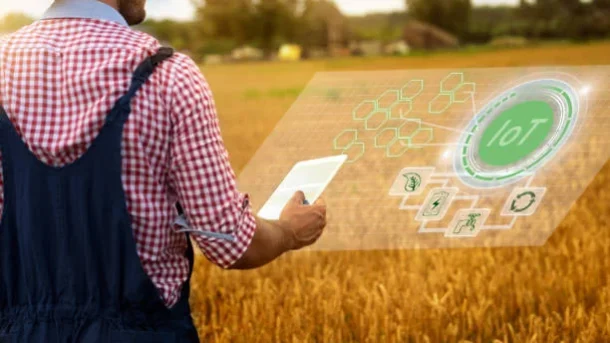
Equipment for Precision Farming: 3D printing can be used to make sensors and equipment for precision farming. Farmers may gather real-time data and make educated decisions regarding irrigation, nutrient application, and crop management by using 3D printed customized sensor mounts, drone parts, and soil moisture probes.

Infrastructure for Agriculture: Using 3D printing, agricultural infrastructure such as greenhouses, hydroponic systems, and animal shelters may be built and customized. With the help of this technology, designs may be made flexible and modular so they can adjust to certain environmental circumstances and crop needs.

Food Production: The production and personalization of food may be transformed through 3D printing. It can be utilized to provide individualized nutrition solutions, including 3D-printed supplements and foods high in nutrients. Furthermore, using create complex food designs and forms can improve presentation and culinary innovation.

What are the efforts to promote sustainable land use and ecosystem conservation?

ecosystem

International Accords and Conventions: International pacts like the UN Convention on Biological Diversity (CBD) and the UN Framework Convention on Climate Change (UNFCCC) are essential for advancing ecological preservation and sustainable land use. For governments to protect and restore ecosystem, preserve biodiversity, and lower greenhouse gas emissions from land-use changes, these accords set goals and frameworks.

Protected Areas and National Parks: It is commonly accepted that the best way to preserve ecosystem and biodiversity is to create and extend protected areas and national parks. These places protect vital habitats, provide refuge for extinct species, and aid in scientific and educational endeavors. To construct and manage protected areas, governments, nongovernmental organizations, and international organizations collaborate.

Balance between the economic, social, and ecological elements of using forests is the goal of sustainable forest management techniques. This entails obtaining both timber and non-timber forest products while promoting reforestation, halting deforestation, and safeguarding biodiversity. Responsible forest management is encouraged by certification schemes like the Forest Stewardship Council (FSC).

Reforestation vs afforestation: Reforestation is the practice of replanting trees in previously deforested areas, whilst afforestation is the practice of planting trees in places that have never been covered by forests. These programs aid in stopping deforestation, boosting carbon sequestration, and restoring ecosystems.

How is the agriculture sector addressing the issue of food safety and traceability?

food safety

Good Agricultural Practices (GAP) are being adopted and put into practice by farmers. These practices include standards and guidelines for sustainable and safe agricultural production. The right use of fertilizers and pesticides, water management, personal hygiene, and the health and safety of workers are all covered by these practices. GAP aims to minimize hazards to food safety throughout the production of agricultural products.

Adoption of Quality Assurance Systems: Many agricultural businesses and farmers are putting quality assurance systems, including ISO 22000 and HACCP, into place. These systems concentrate on locating and eliminating risks to food safety at various points along the supply chain, from farm to fork. To ensure the safety, they assist in establishing preventive measures, monitoring systems, and traceability methods.

Enhancing Traceability Systems: To track and document the movement of food products along the supply chain, the agriculture sector is installing and enhancing traceability systems. To enable real-time monitoring and recording of product information, this entails the use of technologies like blockchain, barcoding, and RFID (Radio Frequency Identification). Food product origin, processing, and distribution histories may all be traced using traceability systems, which makes it simpler to spot possible safety hazards and take appropriate action.

Testing and Quality Control: To ensure the safety of agricultural goods, regular testing and quality control procedures are essential. Pesticide residues, heavy metals, microbiological contaminants, and genetically modified organisms (GMOs) are just a few of the things that can be tested for.

What are the challenges and opportunities in agricultural mechanization and equipment innovation?

mechanization

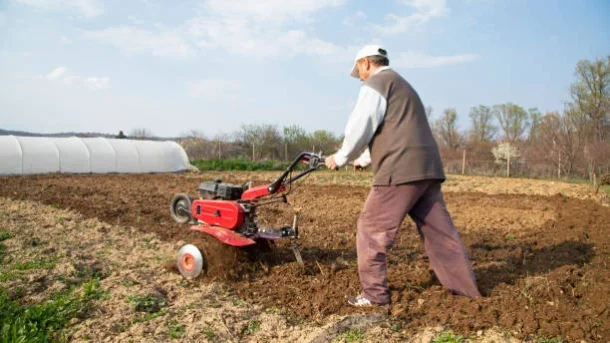
Accessibility and Affordability: Small-scale farmers often struggle to acquire and purchase agricultural gear and equipment due to their high cost. The implementation of mechanization technologies may be hampered by limited financial resources and poor credit access.

Infrastructure and Power Supply: In many areas, the utilization of mechanical equipment can be hampered by inadequate infrastructure, such as shoddy road systems and constrained access to electricity. Machine operation is impacted by an unstable power supply, especially in rural and distant places.

Technical Skills and Training: Technical skills and training are necessary for the efficient use of agricultural machinery. However, there can be a shortage of qualified technicians, mechanics, and operators with the skills required to use and maintain contemporary machinery. The implementation of mechanization can be hampered by a lack of training opportunities and restricted access to technical support.

Adaptability to Local circumstances: Agricultural mechanization solutions should be appropriate for regional agricultural systems, agroecological circumstances, and farm sizes. To meet the various needs of farmers, equipment must be flexible and adaptable. It can be difficult to design and modify machinery to meet certain regional circumstances.