POSTEDITOR OFFICE

How does the absence of effective policies and regulations impact sustainable and responsible agriculture?

policies

Environmental degradation: Protecting the environment and fostering sustainable agriculture practices depend heavily on effective rules, regulations and policies. Lack of laws can lead to the dominance of unsustainable farming methods such the excessive use of chemical fertilizers and pesticides, poor waste management, deforestation, and overuse of natural resources. This can undermine the long-term viability of agriculture by causing soil erosion, water pollution, biodiversity loss, and ecosystem deterioration.

Absence of incentives for sustainable practices: Policies and rules can offer farmers encouragement and support to adopt sustainable and ethical farming methods. Farmers could lack the drive or resources to invest in sustainable technologies, conservation techniques, or organic farming practices in the absence of effective policies. Lack of incentives can limit the use of sustainable practices and prevent their adoption.

Weak enforcement and compliance: Policies and regulations may be in place, but they are only as good as the systems in place for enforcing and monitoring compliance. Non-compliance with sustainable farming practices may go unnoticed in the absence of efficient enforcement. The efforts of ethical farmers who follow sustainable farming methods can be hampered by lax enforcement since they may be subject to unfair competition from those who disregard environmental laws. As a result, the playing field may become unlevel, which may deter farmers from making sustainability investments.

Public health and food safety are at risk, and policies and laws are crucial to preventing these threats. Without strong laws, using dangerous agrochemicals, handling and storing food incorrectly, and having insufficient monitoring and inspection procedures can all endanger customers. Inadequate rules could also result in the

What are the challenges associated with agricultural trade barriers and protectionist policies?

protectionist

Agricultural products have less market access as a due to protectionist trade barriers like tariffs, quotas, and import limitations. Farmers and exporters find it more difficult to sell their goods in overseas markets as a result of these obstacles. Reduced agricultural trade prospects, capped potential export revenues, and hindered agriculture sector expansion are all effects of limited market access.

Price volatility has increased as a result of protectionist measures like import taxes and domestic producer subsidies. These regulations result in pricing differences between domestic and foreign markets, which raises price volatility. Prices are volatile and uncertain for farmers, which can affect their revenue and profitability. Farmers’ ability to plan and make investment decisions is hampered by price volatility, which also limits their capacity to adjust and react to market signals.

Protectionist policies can distort market competition by giving domestic producers an advantage over overseas rivals. Domestic producers may benefit from a level playing field by receiving subsidies and other forms of support, which can give them a competitive edge. This interferes with fair competition in the agricultural industry and distorts market dynamics while lowering incentives for efficiency and innovation.

Trade restrictions and protectionist policies can restrict the cross-border exchange of agricultural technologies, knowledge, and best practices, which can reduce agricultural productivity and efficiency. Limiting the importation of agricultural equipment or supplies might make it more difficult to adopt productive production methods, which lowers agricultural productivity. Lack of access to global markets can also stifle innovation and the transfer of technology, depriving farmers of the benefits of improvements in agricultural methods.

How does the lack of awareness and education about sustainable farming practices hinder progress in the sector?

sustainable farming

Resistance to change: Without knowledge of and instruction in sustainable farming methods, farmers could not understand the advantages and significance of implementing sustainable practices. They might still rely on antiquated, ineffective methods that could be damaging to the environment. Lack of knowledge can lead to resistance to change, which can obstruct the adoption of sustainable methods and the advancement of agricultural sustainability.

Degradation of the soil and decreased productivity: To maintain the fertility and health of the soil, it is crucial to employ sustainable farming methods such crop rotation, conservation tillage, and organic fertilizer. Farmers may continue to use extensive chemical inputs, excessive tillage, or monocropping without being aware of and educated about these practices, resulting in soil deterioration, erosion, and decreased long-term productivity.
The efficient use of water resources, the decrease of chemical inputs, and the proper management of agricultural runoff are all promoted by sustainable farming methods. This reduces water pollution and the depletion of resources. Without awareness and instruction, farmers may unwittingly use excessive amounts of agrochemicals, dispose of trash improperly, or utilize insufficient irrigation techniques that lead to water contamination. The development of ecologically sustainable agriculture might be hampered by the depletion of water resources and the polluting of water bodies caused by a lack of knowledge about sustainable water management practices.

Environmentally harmful effects: Sustainable farming methods work to reduce harmful effects on the environment, such as greenhouse gas emissions, habitat degradation, and biodiversity loss. Farmers might not be aware of the links between their farming practices and these environmental problems, though, without knowledge and education.

What are the problems caused by inadequate infrastructure for transportation and distribution of agricultural products?

inadequate

Increased post-harvest losses: Delays in moving harvested products from farms to markets or processing facilities can be caused by inadequate transportation infrastructure. This delay may cause the food to deteriorate, degrade, and cause more post-harvest losses. Without effective transportation infrastructure, perishable agricultural items including fruits, vegetables, and dairy products could not get to customers in a timely manner or at all, which would cause farmers to suffer large financial losses and decrease consumer access to nutrient-dense food.

Farmers have limited access to remote or larger markets due to inadequate transportation infrastructure. Transporting agricultural goods to metropolitan centers or export destinations can be difficult in remote or rural areas that lack suitable roads, bridges, or transportation networks. Farmers’ selling opportunities are limited due to poor market access, which frequently results in lower pricing.

Increased transportation expenses: Farmers may incur greater transportation costs as a result of inefficient transportation infrastructure. Poor road conditions, insufficient storage choices, or a lack of options for chilled transport may demand more packaging, longer routes, or more handling requirements, all of which add to the cost of transportation. Farmers find it challenging to compete in both home and foreign markets as a result of these added expenses that lower their profitability and competitiveness.

Market inefficiencies and price discrepancies: These issues might be brought on by inadequate distribution and transportation infrastructure. Agricultural products might not get to markets where they are needed if a transportation network is not well-connected and effective, which could result in regional supply and demand mismatches. This may result in pricing differences across various regions, providing traders with possibilities for arbitrage while adversely influencing

How does the limited availability of irrigation systems and water management practices impact agriculture?

Lack of information: Farmers frequently do not have access to timely and accurate information on market trends, supply-demand dynamics, and price swings. For small-scale farmers specifically, access to market data, particularly pricing, may be restricted. As a result, they are more vulnerable to market uncertainties since they are unable to make educated decisions about what and how much to produce.

Having little negotiating power: Farmers, particularly smallholder farmers, frequently have little negotiating strength. When bargaining prices with brokers, processors, or customers, they can be at a disadvantage. Due to this, farmers may be paid less for their produce than it is actually worth, which can be considered unjust and exploitative pricing. Having less negotiating leverage makes it more difficult to manage price swings and market uncertainty.

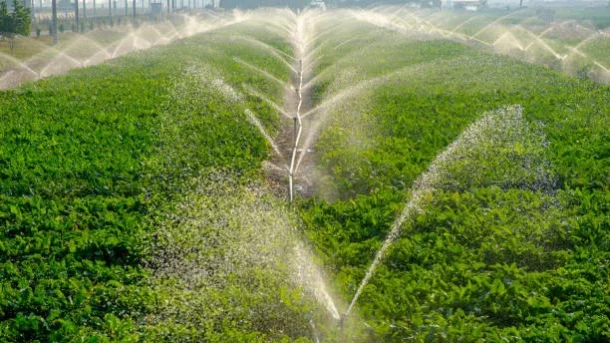
Limited irrigation options and agricultural diversification: The range of crops that can be grown is constrained by a lack of adequate irrigation. Fruits, vegetables, and cash crops are just a few examples of high-value crops that have greater water needs and can’t survive without irrigation. Farmers may be restricted to rain-fed agriculture, which frequently forces them to cultivate low-value or subsistence crops, if they lack access to dependable water sources. A lack of irrigation systems hinders agricultural diversification and reduces farmers’ potential revenue and market resilience.

Reduced soil fertility and salinization: Improperly managed irrigation can cause the degradation of the soil. Farmers frequently use illegal methods to take water from groundwater sources in places with little access to irrigation systems.

What are the challenges faced by farmers in coping with market uncertainties and price fluctuations?

price

Lack of information: Market trends, supply-demand dynamics, and price swings are frequently not timely and accurate information that farmers have access to. Particularly for small-scale farmers, access to market information, particularly prices, might be constrained. Because they are unable to make educated decisions about what and how much to produce, they are more vulnerable to market uncertainty.

Smallholder farmers, in particular, may have little negotiating leverage in the market. They might not have the upper hand when haggling over prices with brokers, processors, or customers. Due to unfair and exploitative pricing, farmers may be paid less for their produce than it is actually worth. The difficulties of adjusting to market volatility and price variations are made more difficult by limited bargaining power.

Lack of information: Farmers frequently lack up-to-date, reliable information on market trends, supply-demand dynamics, and price swings. For small-scale farmers in particular, access to market information, particularly prices, might be constrained. They are less able to decide what and how much to create as a result of the knowledge gap, which makes them more susceptible to market turbulence.

Low bargaining power: Farmers, particularly smallholder farmers, frequently have low bargaining power in the market. When haggling over prices with middlemen, processors, or purchasers, they can be at a disadvantage. When farmers are paid less for their produce than it is actually worth, this can lead to unjust and exploitative pricing. Lack of bargaining power makes it more difficult to manage price volatility and market uncertainty.

How does the lack of agricultural diversification contribute to vulnerability in the sector?

sector

Overdependence on a Single Crop or animal: Farmers become excessively dependent on the productivity and market dynamics of a single crop or animal species. Any unfavorable occurrences, like pests, illnesses, market swings, and unfavorable weather, can have a huge effect on the overall sector. Economic instability in the agriculture sector and significant income losses for farmers might result from a single crop failure or a drop in demand.

Market Volatility and pricing variations: Farmers may be more vulnerable to market volatility and pricing variations if they lack diversity. Farmers are more susceptible to changes in supply and demand dynamics, global market trends, and price volatility when they produce and rely on a small number of commodities.

Climate change adaptation: The effects of climate change on agriculture include changes in temperature and precipitation patterns, a rise in the frequency of extreme weather events, and altered dynamics of pests and diseases. Growing crops that are more tolerant to particular conditions thanks to crop diversification enables farmers to respond to these difficulties. Farmers can distribute risk and lessen sensitivity to climate-related effects by diversifying their agricultural methods.

What are the issues related to labor shortages and the migration of agricultural workers?

labor shortages

Reduced agricultural output: There may not be enough personnel available to carry out necessary operations like planting, harvesting, weeding, and irrigation due to labor shortages, which can result in decreased agricultural output. Lack of labor can cause operations to be postponed, operations to be less effective, and the workload of the remaining workers to increase, all of which have an impact on crop yields and farm output as a whole.

Increased Production Costs: Farmers may need to offer higher wages or additional incentives to recruit workers when there is a labor shortage in the agriculture industry. Increased labor expenses can have a major influence on agricultural profitability, particularly for crops that require a lot of labor. Farmers could also need to spend money on labor-saving devices or mechanization, which can come with high initial capital and ongoing operating costs.

Food Loss and Wastage: Labor shortages may cause post-harvest and harvesting processes to be delayed, which raises the possibility of food loss and wastage. Crops could become overripe, degrade, or go unharvested, costing producers money and reducing consumer access to food.

Dependence on Migrant laborers: To meet their labor needs, many agricultural regions rely on migrant laborers, frequently from other nations. Economic factors, such as greater job prospects and higher earnings elsewhere, may be the driving force behind the movement of agricultural laborers. Dependence on migrant labor leads to weaknesses in the agricultural labor force since shifts in immigration laws, labor standards, or geopolitical concerns might affect the workforce’s accessibility.

How does the lack of agricultural extension services and technical support affect farmers’ knowledge and skills?

knowledge

Limited Information Access: Agricultural extension services are essential in providing farmers with timely and pertinent information. They offer useful information on contemporary technologies, market trends, and the control of pests and diseases as well as better farming techniques. Without access to extension services, farmers might not be aware of the most recent developments in agriculture and might not have the knowledge they need to improve their farming practices.

Reduced Uptake of Best Practices: Agricultural extension services aid farmers in implementing best practices and cutting-edge farming methods. Sustainable soil management, water conservation, integrated pest management, and climate-smart agriculture are a few examples of these techniques. Farmers may rely on conventional, ineffective techniques in the lack of expert assistance, making it difficult for them to increase productivity and sustainability.

Limited Skill Development: Technical assistance and extension services give farmers the chance to receive training and develop their capacities. They provide hands-on training, workshops, and practical demonstrations on a variety of agricultural topics, including crop production, livestock management, and post-harvest handling. Farmers’ capacity to learn new skills, broaden their knowledge, and adjust to changing agricultural techniques is constrained by a shortage of these services.

Ineffective Problem-Solving and Troubleshooting: Technical assistance is essential for farmers to overcome obstacles and resolve issues they run into on their farms. On-site help, problem-solving, and issue identification are all capabilities of extension workers. Without such assistance, farmers could find it difficult to identify and treat crop diseases, pest infestations, nutrient deficits, and other agronomic problems.

What are the problems caused by inadequate market access and limited value-added processing in agriculture?

limited

Limited Market Opportunities: Farmers’ access to larger markets, both domestically and abroad, is constrained by insufficient market access. Finding buyers, settling on reasonable prices, and getting access to market data may be difficult for farmers. This may lead to fewer sales prospects, lower profitability, and less chances for development and growth.

Limited market access may be a factor in the price volatility of agricultural goods. Farmers may be more susceptible to price changes in the market if they have fewer options for selling their produce. Their capacity to plan and make investments in their farming operations may be hampered by this, which may undermine the stability of their revenue.

Low Profit Margins: Farmers that lack access to markets frequently sell directly to middlemen or intermediaries, who give them cheaper rates. Due to receiving a reduced portion of the market price, this lowers farmers’ profit margins. Farmers’ capacity to seize a larger share of the value chain and earn higher profits is further diminished by limited value-added processing.

Wastage and Post-Harvest Losses: Limited demand for agricultural produce due to insufficient market access can cause wastage and post-harvest losses. Due to inadequate facilities for storage, transportation, and processing, farmers may not be able to sell their entire production, and perishable commodities risk spoiling. Farmers suffer financial losses as a result, and this also contributes to food waste and supply-chain inefficiencies.