POSTEDITOR OFFICE

What role does technology play in the modern agricultural market?

modern agricultural market

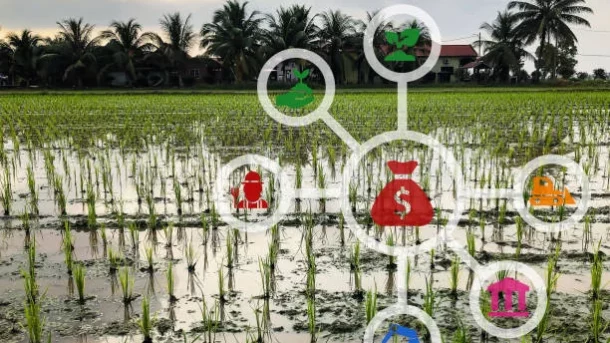
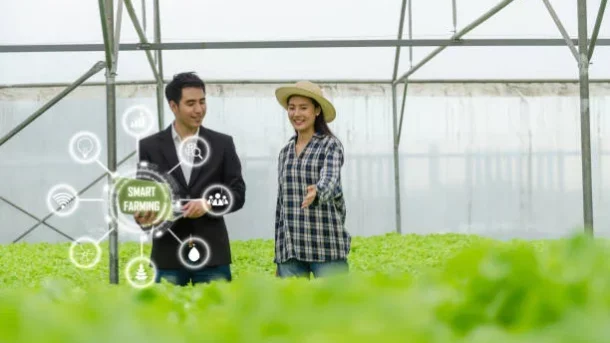
The modern agricultural market is transformed by technology, which has completely changed how farming and agribusiness are performed. Agtech, or improvements in agricultural technology, has the potential to increase profitability, productivity, and sustainability in the industry. Here are a few crucial functions that technology has in the contemporary modern agricultural market:

Precision farming: To gather information on soil conditions, weather patterns, and crop health, precision farming uses technology like GPS, sensors, drones, and satellite photography. Farmers can optimize inputs like water, fertilizer, and pesticides thanks to this data-driven methodology, which leads to higher yields and less resource waste.

Internet of Things (IoT): IoT devices are being used more frequently in agriculture to monitor and manage a variety of operations, from animal health monitoring to irrigation and temperature control. Real-time data collecting is made possible by IoT, which improves productivity and decision-making.

Data analytics and artificial intelligence (AI): By processing enormous amounts of agricultural data, data analytics and AI technologies support farmers in making data-driven decisions. In order to forecast crop yields, spot disease outbreaks, optimize planting times, and better manage farm operations, machine learning algorithms may analyze data from numerous sources.

Automation and robotics in agriculture: Planting, harvesting, weeding, and pruning are just a few of the jobs that agricultural robots are made to do. Automation eliminates the need for human work, boosts productivity, and can help with the agricultural industry’s labor issue.

How do government policies impact agricultural market trends?

government policies

Government policies have a significant impact on agricultural market trends and many facets of the agricultural industry. Production, trade, prices, and the general dynamics of the market can all be impacted by these policies, both directly and indirectly. The following are some ways that public policies might affect the agriculture market:

Governments frequently offer financial assistance to farmers in the form of subsidies, grants, or price support programs. These subsidies can lower production costs, promote particular farming methods, and stabilize prices, resulting in an increase in the supply or output of particular agricultural commodities.

Governments utilize trade rules and tariffs to control the flow of agricultural products across international borders. While export tariffs can affect a product’s availability on the global market, import tariffs can shield home producers from overseas rivalry.

Agriculture Price limits: To guarantee that some important goods are affordable for consumers, governments may impose price limits on them. While keeping food costs consistent for consumers, price caps might restrict farmers’ income.

Funding for Research and Development: Investing in agricultural R&D can result in technological improvements, better crop types, and increased productivity. Research that is supported by the government policies can also focus on particular issues facing agriculture, such disease resistance or climate resilience.

What are the key factors driving agricultural market fluctuations?

fluctuations

A number of variables, including natural phenomena, technical developments, economic policies, and geopolitical events, all have an impact on the agricultural market. Both short- and long-term fluctuations in agricultural commodity pricing and market dynamics may result from these variables. The following are some important variables influencing the agricultural market:

Climate and weather conditions can have a direct impact on crop yields and livestock output, which can change the price of agricultural commodities. Examples of such weather events include droughts, floods, heat waves, and hurricanes.

Crop diseases and insect infestations can have a significant impact on crop production and result in price volatility in the agricultural market.

Global Demand and Population Growth: Increasing populations worldwide and dietary habits have an impact on consumer demand for agricultural products, which in turn affects the cost and availability of those products.

Supply and Demand Balance: A key factor in market fluctuations is the equilibrium between agricultural supply and demand. This balance can be affected by variables such as shifts in production levels, food stockpiles, and export and import quantities.

Trade Policies and Agreements: Tariffs, trade agreements, and international trade policies can affect the movement of agricultural commodities and affect prices.

How does climate change affect the agricultural market?

climate change

The agricultural market is significantly impacted by climate change, which has an impact on many facets of agricultural production, distribution, and commerce. Changes in crop yields, commodities prices, and the world’s food supply may result from these effects. The agriculture market is impacted by climate change in the following ways:

Crop Yields and Productivity: As temperatures and precipitation patterns change due to climate change, severe weather events including droughts, floods, heat waves, and storms may become more often and intense. These harsh weather conditions may have a significant effect on crop production and yields, which would decrease the market’s supply of agricultural products.

Changes in Growing Seasons and Geographic Distribution: Changing climate conditions can change the best times for crops to grow and also affect which areas are suitable for agriculture. Farmers may need to adjust by switching to other crop kinds or altering planting and harvesting times.

Changes in precipitation patterns and rising temperatures may have an impact on the availability of water for irrigation. Water shortages can hinder agricultural output, resulting in lower crop yields and more expensive production.

Pests and diseases: Pests and diseases that damage crops and livestock might shift in their range and frequency as a result of climate change. There could be an increase in the usage of pesticides and veterinary medications due to the emergence of new or more aggressive diseases and pests, which could have an impact on production costs and product quality.

What are the primary agricultural commodities traded in the market?

agricultural commodities

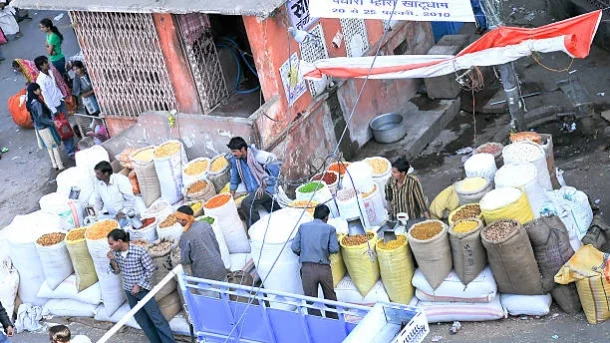
Agricultural commodities are raw materials or basic goods produced as a result of raising crops and animals. These products are necessary for a variety of uses, including human consumption, animal feed, industrial processing, and others. They are traded frequently on numerous international exchanges. The following are some of the most important agricultural commodities products that are traded:

One of the most extensively grown and traded cereal crops is wheat. Pastries, spaghetti, and bread are just a few of the many food products that may be made with it.

Corn (Maize): A staple crop that is fed to both people and animals. Additionally, it is a crucial component of many industrial goods like ethanol and corn syrup.

Soybeans: This adaptable crop is used for a variety of things, such as animal feed, edible oil, and soy-based foods.

Rice: For a sizable portion of the world’s population, rice is a staple diet. It is an important commodity in world trade.

Cotton is a key component of the textile industry and is used to make garments among other things.

Which countries are the major players in the global agricultural market?

countries

Several countries have been big players in the international agricultural market as of my most recent update in September 2021, both as substantial producers and exporters of agricultural goods. It’s vital to remember that the dynamics of the agricultural market can vary over time as a result of a variety of factors, including adjustments in production, alterations in consumption patterns, and trade

Agreements. The following countries have historically had a significant impact on the world agricultural market:

United States: One of the major agricultural producers in the world, the United States is renowned for growing a variety of commodities, such as corn, soybeans, wheat, and cotton. Additionally, it exports a lot of agricultural goods.

China: China is a significant producer and consumer of agriculture. It is the largest producer of wheat and rice in the world, as well as a sizable producer of corn and soybeans. The enormous population of China is a factor in the country’s high domestic consumption.

Brazil: Known for its sizable agricultural acreage and varied production, Brazil is a significant player in the world agricultural market. In addition to being the top producer and exporter of soybeans in the entire world, it also produces a sizable amount of sugar, coffee, beef, and chicken.

India is a significant producer of agricultural goods, particularly for grains like rice, wheat, and cotton. Due to its vast population, it also consumes a significant amount of agricultural products.

What is the current state of the global agricultural market?

global agricultural market

Since I’m an AI language model, I don’t have access to current information, so my understanding is based on knowledge as of September 2021. I am unable to provide information on the current situation of the global agricultural market in 2023 as a result.

I can, however, offer you a general summary of the trends and elements that frequently have an impact on the global agricultural market. A number of variables, such as weather patterns, geopolitical events, trade agreements, and general economic conditions, may cause actual market conditions to shift.

Agriculture supply and demand are in balance, and this has a significant impact on market prices. The level of demand for different agricultural products can be influenced by elements including crop yields, livestock production, and dietary changes.

Climate and weather: Unpredictable weather patterns, such as droughts, floods, and extremely high temperatures, have a substantial impact on crop productivity.

International Trade: The agriculture market is extremely dependent on international trade. Trade agreements, export and import regulations, and taxes all have an effect on how easily agricultural products move between nations.

Government Policies and Subsidies: Government interventions, such as subsidies, price supports, and rules pertaining to land use and agricultural practices, have an impact on agricultural markets.

How can knowledge sharing platforms enhance the adoption of advanced agricultural practices?

knowledge sharing platforms

By allowing the exchange of knowledge, best practices, and experiences between farmers, researchers, professionals, and stakeholders, knowledge sharing platforms significantly contribute to the adoption of improved agricultural practices. Here are some ways that knowledge-sharing platforms can encourage the adoption of cutting-edge agricultural techniques:

Access to knowledge sharing platforms makes it simple to find a multitude of materials and information about cutting-edge agricultural techniques. These platforms can house databases, academic papers, case studies, instructions, and other pertinent materials. Farmers have access to this knowledge at their convenience, enabling them to learn about cutting-edge methods, strategies, and best practices.

Peer learning and collaboration are made possible through platforms for knowledge exchange, which connect farmers with their peers who have already embraced cutting-edge agricultural practices. Farmers can collaborate to learn by sharing their experiences, accomplishments, and difficulties. Farmers are more willing to try out novel techniques and technology as a result of peer-to-peer learning, which increases their trust, credibility, and confidence.

Expert counsel and recommendations: Agriculturists, researchers, and extension services frequently participate in knowledge-sharing platforms. Through online forums, webinars, or face-to-face contacts, farmers can get help from these professionals in the form of advice, direction, and assistance. The availability of specialist knowledge aids farmers in making knowledgeable decisions, resolving issues, and receiving advice tailored to their local environments.

Peer learning and collaboration are made possible through platforms for knowledge exchange, which connect farmers with their peers who have already embraced cutting-edge agricultural practices. Farmers can collaborate to learn by sharing their experiences, accomplishments, and difficulties. Farmers are more willing to try out novel techniques and technology as a result of peer-to-peer learning, which increases their trust, credibility, and confidence.

Expert counsel and recommendations: Agriculturists, researchers, and extension services frequently participate in knowledge-sharing platforms. Through online forums, webinars, or face-to-face contacts, farmers can get help from these professionals in the form of advice, direction, and assistance. The availability of specialist knowledge aids farmers in making knowledgeable decisions, resolving issues, and receiving advice tailored to their local environments.

What is the impact of advanced agriculture technologies on rural livelihoods?

rural livelihoods

Advanced agricultural technologies can have a major and varied impact on rural livelihoods. The following are some significant ways that modern agriculture technologies may impact rural livelihoods:

Increased output and income: Cutting-edge agricultural technology like robots, precision farming, and intelligent machines can increase output and crop yields. Farmers may increase the amount of food they produce through boosting efficiency, minimizing waste, and optimizing resource use. Increased income from higher production translates into better livelihoods and economic well-being for rural farmers.

Enhanced job opportunities: Although modern technology may automate certain conventional farming chores, its adoption may also open up new employment opportunities in rural regions. In order to handle data analytics, develop software, and maintain high-tech equipment, trained personnel are required.

The implementation of cutting-edge agricultural technologies necessitates the development of new knowledge and skills among farmers. Farmers who want to use and manage these technology properly can benefit from training programs, workshops, and extension services. Learning new skills improves rural communities’ capacity, enabling farmers to adopt progressive practices, make wise decisions, and continuously improve their agricultural practices.

Sustainable agricultural practices: Sustainable agricultural practices are frequently promoted by advanced agricultural technologies. Farmers can adopt more effective and environmentally friendly practices by utilizing technologies like precision agriculture, remote sensing, and data analytics to maximize resource usage, cut back on chemical inputs, reduce environmental impact, and minimize environmental impact. These eco-friendly techniques help to safeguard the environment over time, preserve natural resources, and enhance the sustainability of rural livelihoods.

How does real-time monitoring of crop conditions optimize pest control measures?

real-time monitoring

By providing fast and reliable information on insect populations, infestation levels, and crop health, real-time monitoring of crop conditions plays a critical role in improving pest control efforts. Real-time monitoring improves pest management in the following ways:

Real-time monitoring enables early detection of pests or indications of harm from pests. Farmers can spot the presence of pests at the first signs of infestation by using a variety of monitoring tools such traps, sensors, or visual inspection. Early discovery allows for prompt action and focused pest management techniques, reducing pests’ ability to spread and their effects.

Effective action: Up-to-date information on pest activity and population dynamics is provided by real-time monitoring. Farmers can choose the best time to intervene in pest management using this knowledge.

Real-time monitoring enables farmers to establish pest population thresholds or action levels based on scientific information and regional circumstances. Farmers can decide when to start pest management techniques by establishing these criteria. The right timing and level of pest management actions can be determined using monitoring data along with knowledge about pest biology and crop vulnerability. Through the avoidance of pointless pesticide treatments when pest populations are below harmful levels, threshold-based decision making supports sustainable pest management.

Targeted management methods: Real time monitoring provide information on the location and population density of the specific pest species. Farmers can use this information to create targeted pest control techniques that are specific to the identified pests. Farmers can use selective pesticides to prevent the use of broad-spectrum pesticides, which can kill beneficial creatures and disturb the ecological balance.