POSTEDITOR OFFICE

What is the role of commodity trading advisors in the agricultural market?

commodity trading advisors

In the agricultural sector, commodity trading advisors (CTAs) are crucial since they offer clients specific knowledge in trading agricultural commodities. CTAs are qualified people or businesses that have registered with the appropriate regulatory bodies. They provide trading advisory services to manage the investment portfolios of their clients with an emphasis on commodities, including those in the agricultural sector. Here are some of the major jobs and duties that CTAs perform in the agriculture market:

Market research and analysis are carried out in-depth by commodity trading advisors to find prospective trading opportunities in agricultural commodities. They research the underlying principles of supply and demand, weather patterns, geopolitical developments, and other variables that affect agricultural markets.

Development of Trading Strategies: Based on their market analysis, CTAs create trading plans that are specific to each client’s risk tolerance and investment goals. They might use a range of trading tactics, such as volatility-based strategies, mean reversion, and trend following.

Risk management: To safeguard customers’ funds and control exposure to market volatility, CTAs place a high priority on risk management. To effectively manage risk, they put in place risk controls and employ position size strategies.

Diversification: To spread risk and minimize exposure to any one commodity or market, CTAs frequently advise diversifying among other agricultural commodities.

Trade Execution: CTAs either carry out trades manually or automatically on behalf of their clients. They keep a constant eye on the markets and quickly carry out trades in accordance with their trading techniques.
How are subsidies affecting agricultural production and trade?

agricultural production

The conduct of farmers, the competitiveness of agricultural products on the global market, and the overall dynamics of the agricultural sector are all impacted by subsidies, which have a considerable impact on agricultural production and trade. Subsidies can have complex consequences that change according on the type, size, and particular agricultural situation. Subsidies have the following effects on agricultural commerce and production:

Production Incentives: Farmers are frequently given financial assistance through subsidies, which motivates them to produce more. As farmers are driven to boost production to take advantage of the financial aid, these incentives may result in greater agricultural output and higher yields.

Crop Selection: Some subsidies may be intended for a particular crop or class of goods. This may have an impact on farmers’ choices of crops.

Price Support: By establishing a minimum price for some commodities, price support subsidies seek to stabilize the price of agricultural products. This may effect agricultural production and trade dynamics and production choices, leading to surpluses that affect market pricing globally.

Trade Distortion: Agricultural products with subsidies may be more competitive than those from nations without subsidies since they can be purchased on international markets for less money. This may result in trade conflicts and market distortions that have an impact on farmers’ lives in non-subsidizing nations.

Environmental Impact: Some incentives could encourage behaviors that are harmful to the environment, including using excessive amounts of water or fertilizer. Environmental deterioration and resource depletion may result from this.

What are the challenges in implementing sustainable agricultural practices in developing countries?

implementing sustainable

Economic, social, and environmental considerations might make it difficult to implementing sustainable agriculture techniques in underdeveloped nations. Depending on the unique circumstances of each nation, these difficulties can vary, however some typical roadblocks include:

Limited Access to Resources: In developing nations, smallholder farmers frequently have trouble getting access to basic resources including land, water, high-quality seeds, fertilizer, and agricultural inputs. Adoption of sustainable methods may be hampered by high costs and limited supply.

Financial Restrictions: Many farmers in poor nations have financial restrictions when investing in environmentally friendly techniques and technologies due to their restricted access to credit. They could be unable to buy equipment or implement sustainable practices because of a lack of funding, which could result in higher initial costs.

Education and Awareness: Farmers and rural communities may have insufficient knowledge and awareness of sustainable agriculture practices. The adoption of implementing sustainable practices must be encouraged through educational outreach and capacity-building initiatives.

Traditional Farming Methods: Some rural communities have a strong heritage of using old-fashioned farming techniques that may not be viable. It might be difficult to persuade farmers to switch to new and unorthodox sustainable techniques.

Infrastructure and Technology: The adoption and implementation of sustainable practices can be hampered by inadequate infrastructure, particularly inadequate roadways, transportation, and storage facilities. Farmers can also find it difficult to learn about and use sustainable practices if they have restricted access to technology and the internet.

How does the growing population impact the demand for agricultural products?

for agricultural

The demand for agricultural products is significantly impacted by the expanding population. The need for food, fiber, and other agricultural products rises along with the global population. The link between population increase and agricultural demand is influenced by a number of factors, including:

Increased Food Consumption: As a result of a growing population, there is a greater need for food to satisfy everyone’s dietary requirements. Changing dietary choices toward more resource-intensive foods, such meat and dairy, may occur when living standards rise, further driving up the demand for agricultural products.

Urbanization and Changing Diets: A shift toward more processed and ready-to-eat foods is a common result of urbanization. The production and processing of these foods may need more agricultural resources as a result of this change in diet.

Biofuels and Industrial Uses: Demand for agricultural products utilized in a variety of sectors, including textile, pharmaceutical, and bio-based materials, is also driven by population expansion.

Rising Middle Class: The demand for higher-quality and more diverse food products rises as more individuals, particularly in developing nations, enter the middle class. Agricultural production systems are under more pressure as a result of this development.

Income per capita: With a growing population, income per capita levels may have an impact on the demand for more varied and valuable agricultural products.

Climate Change and Land Constraints: The problems brought on by climate change and a shortage of arable land are exacerbated by population development. As environmental restrictions come into play, it becomes more difficult to meet the demand for agricultural products.

What are the prospects for blockchain technology in agricultural supply chains?

blockchain technology

The potential for blockchain technology to change agricultural supply chains is quite promising. Its distinctive qualities, including immutability, transparency, and decentralized data management, can help the agricultural sector overcome a number of obstacles. The following are some of the main applications of blockchain technology in food supply chains:

Transparency and traceability: From the farm to the customer, agricultural products may be tracked using blockchain technology. Production, processing, shipping, and storage are just a few of the steps in the supply chain that may be tracked on the blockchain. By providing consumers with access to specific information on the place of origin and travels of their food products, supply chain trust and confidence are increased.

Automation and smart contracts: Several supply chain procedures can be automated using smart contracts, self-executing contracts with predefined conditions. These contracts can minimize administrative work and human mistake by setting off events, such payments or quality certifications, when certain criteria are satisfied.

Market Access and Trade Facilitation: By streamlining documentation procedures and assuring compliance with import/export laws, blockchain can facilitate global trade. It offers a safe environment for parties to exchange private trade information.

How are food safety regulations impacting the agricultural market?

food safety regulations

Agricultural market players including farmers, food processors, distributors, retailers, and consumers are all impacted byfood safety regulations and standards. These rules aim to preserve the general public’s health, assure the safety and quality of food items, and guard against foodborne illnesses. Here are a few ways that laws governing food safety are affecting the agriculture market:

Regulations governing food safety provide requirements for farming operations, processing techniques, and handling practices. To protect the quality of their products and to stay within the bounds of the law, farmers and food processors are required to abide by these criteria.

Risk management and traceability: Regulations governing food safety frequently call for effective traceability systems, in which every step of the food supply chain is recorded and monitored. This allows for quick detection and containment of foodborne outbreaks.

Market Access and International Trade: Accessing international markets requires adherence to food safety regulations. To safeguard its consumers, several nations set onerous import regulations, which exporters must adhere to in order to do business internationally.

Food safety laws make food producers responsible for the security of their products through product recalls and liability. Companies may need to recall items in the event of an epidemic or contamination of a foodborne illness, and they risk legal repercussions.

Consumer Trust and Producer Reputation: Following food safety laws improves producer reputation and fosters consumer trust. Customers are more inclined to buy good.

What is the role of agribusiness companies in the agricultural market?

agribusiness

Due to their involvement in many parts of the agricultural value chain, agribusiness enterprises are essential in the agricultural industry. These businesses operate at various stages, from input production and supply to agricultural product processing, distribution, and marketing. In the agriculture market, agribusiness enterprises play the following major roles:

Technology and Input Supply: Agribusines firms supply farmers with necessary inputs like seeds, fertilizer, insecticides, and agricultural equipment. Additionally, they make investments in R&D to create enhanced crop types and cutting-edge agricultural technologies.

Agribusiness firms provide farm management services to farmers, offering them agronomic guidance, soil testing, crop monitoring, and precision agriculture techniques to maximize output and resource efficiency.

Production and agro-processing: Agribusiness firms can either carry out their own agricultural production or hire farmers to grow their crops and rear their livestock. They also transform unprocessed agricultural materials into value-added goods including food, drinks, and biofuels.

Market Access and Distribution: Agribusiness firms are essential in bridging the gap between farmers and markets. They offer storage facilities, logistics, and distribution networks to make sure that agricultural products get to consumers quickly.

Agribusiness firms provide farmers with risk management tools, such as crop insurance and weather risk protection, to help them lessen the impact of unplanned events on their output and income.

How do commodity exchanges facilitate agricultural trading?

commodity exchanges

By offering a centralized, well-organized marketplace where buyers and sellers may meet to trade agricultural goods, commodity exchanges serve a critical role in promoting agricultural commerce. Participants in the agriculture market can gain from these exchanges’ intermediary roles and platforms for efficient and transparent trading in the following ways:

Price Discovery: Market players can view current prices and trading volumes for different agricultural commodities on a transparent and open platform provided by commodity exchanges. Based on supply and demand dynamics, this price discovery method aids in the establishment of fair market prices.

Standardization: The quality and standards of agricultural goods sold on commodity exchanges’ platforms are frequently standardized. Because of the uniformity, trading is efficient and costs are reduced because buyers and sellers are certain of what they are trading.

Risk management: Farmers, traders, and other market participants can insure against price volatility and manage risk by using futures contracts provided by commodities exchanges. Participants can safeguard themselves from negative price changes by hedging by locking in future pricing.

Market Liquidity: By luring a diverse group of market participants, such as farmers, processors, traders, and speculators, commodity exchanges allow enhanced market liquidity in the agricultural sector. Due to this liquidity, even in vast amounts, there are always ready buyers and sellers.

What are the factors contributing to the rise in vertical farming?

vertical farming

Several elements that make this cutting-edge agricultural method more appealing to farmers, investors, and consumers are behind the development in vertical farming. The following are some of the main causes of the development of vertical farming:

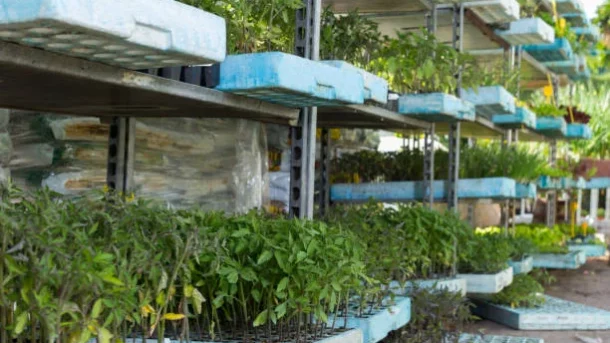
Limited Arable Land: Due to urbanization, soil deterioration, and other factors, there is a decreasing amount of arable land available. When opposed to conventional horizontal farming techniques, vertical farming enables agriculture to be carried out in vertical stacks or levels, using less area.

Urbanization and Population Growth: As the world’s population continues to rise and more people live in cities, there is a rising need for fresh produce that is cultivated nearby. Urban populations can obtain fresh produce from vertical farms that can be erected in or close to cities, cutting down on transit costs.

Climate Change and Extreme Weather Events: As the frequency of extreme weather events like droughts and floods rises, climate change causes problems for traditional agriculture. Vertical farms provide improved climatic resilience and protection against inclement weather because they frequently operate in controlled surroundings.

Water conservation: When compared to conventional open-field agriculture, vertical farming uses much less water thanks to its sophisticated irrigation systems. By precisely delivering water to plant roots, methods like hydroponics and aeroponics help to reduce water waste.

Production All Year Long: Vertical farms may run all year long, regardless of the seasons or the weather. A consistent supply of fresh vegetables is ensured by this ongoing production throughout the entire year.

How are digital platforms transforming the agricultural market?

digital platforms

By utilizing technology to establish new and effective connections between farmers, agribusinesses, and consumers, digital platforms are transforming the agricultural sector. These platforms revolutionize several facets of the agricultural industry using data analytics, cloud computing, mobile applications, and the Internet of Things (IoT). Here are some examples of how the agriculture market is being significantly altered by internet platforms:

Market Access and Direct Sales: By allowing farmers to communicate directly with buyers, processors, and consumers, digital platforms eliminate the need for middlemen. Through online markets and e-commerce platforms, farmers may advertise their goods, set pricing, and organize sales.

Supply Chain Transparency: By providing real-time information on the place of origin, the method of production, and the distribution of agricultural products, digital platforms improve supply chain transparency. The ability of consumers to track their food’s progress from the farm to the table encourages food safety and accountability.

Data-Driven Decision Making: Digital systems gather and examine a huge quantity of information on agriculture, including weather patterns, soil characteristics, and market trends. With the help of this data-driven methodology, farmers and agribusinesses may decide wisely about crop management, resource allocation, and marketing tactics.

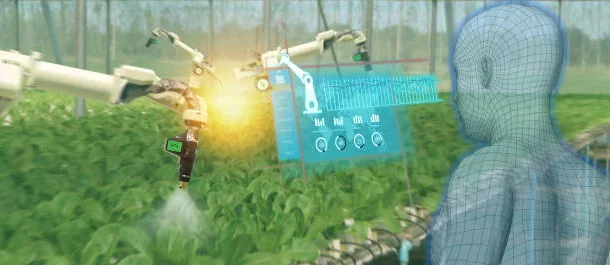
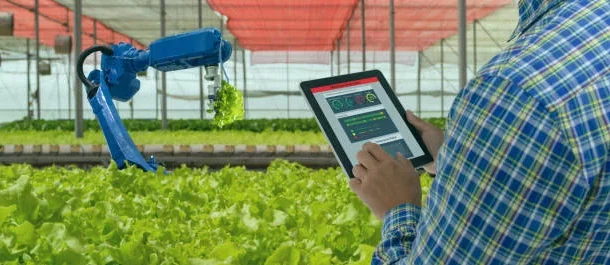
Precision Agriculture: By using IoT devices, drones, and sensors to precisely monitor crop, soil, and weather conditions, digital platforms support precision agriculture operations. Through optimization, resources are used more effectively, yields are raised, and environmental impact is diminished.