POSTEDITOR OFFICE

What is the role of certification schemes in promoting sustainable agricultural practices?

certification

By establishing defined norms and criteria for farming that is both environmentally and socially responsible, certification programs play a crucial role in encouraging sustainable agricultural practices. These initiatives are optional programs in which farmers, producers, and agribusinesses can show their dedication to sustainable practices by choosing to join. The following are some of the main ways certification programs support agricultural sustainability:

Setting Standards and Criteria: Certification programs create precise, quantifiable standards for environmentally friendly agriculture methods. These guidelines address a range of topics, including fair labor practices, soil health, water management, biodiversity conservation, and the appropriate use of agrochemicals.

Verification and Compliance: To ensure that farms and producers adhere to the defined sustainability requirements, certification bodies carry out on-site inspections and audits. To obtain and keep certification, adherence to the requirements is necessary.

Customer Trust and Transparency: By making information regarding agricultural production practices transparent, certification programs aid in fostering customer trust. Consumers can make educated decisions by looking for certified items, which include labels or badges that imply conformity with sustainable criteria.

Market Access and Premium Pricing: Certifications programs can provide access to niche and global markets where there is a rising need for sustainable products. Prices for certified goods are frequently higher, giving producers financial incentives to use sustainable techniques.

How does the agricultural market respond to changes in dietary trends?

market

In order to adapt production, supply chains, and marketing techniques to consumers’ changing needs, the agricultural market reacts to shifts in dietary trends. The agricultural industry adjusts to reflect changes in food habits and health concerns. Here are a few ways the agriculture market reacts to dietary preferences changing:

Crop diversification: Alterations in dietary preferences may cause a rise in the demand for particular fruits, vegetables, or cereals. Farmers may diversify their crops in response to this in order to produce the foods that are in demand.

Changes in dietary preferences, such as an increase in interest in plant-based diets or alternative sources of protein, can have an effect on animal productivity. To accommodate the demand for various types of meat, farmers may modify their livestock operations.

Food that has been grown organically and sustainably is in greater demand as customers place a higher priority on environmental and health issues. Growing organic farming techniques and the adoption of sustainable agriculture practices may be the agricultural market’s response.

Value-Added Food Products: Demand for value-added food products, such as functional foods, gluten-free goods, or fortified foods, may be influenced by dietary trends. These customized products can be created and sold by the agricultural sector in response.

Supply Chain and Distribution: In order to ensure the effective delivery of these items to customers, supply chains and distribution networks may need to be changed when dietary patterns affect demand for particular foods.

What are the impacts of trade liberalization on smallholder farmers in developing countries?

liberalization

Smallholder farmers in developing nations may experience both positive and negative effects from trade liberalization, which entails lowering trade barriers. Depending on variables including the specific trade regulations, the structure of the agricultural industry, and the ability of farmers to adjust to shifting market conditions, different smallholders may experience different consequences from trade liberalization. Among the effects of trade liberalization on smallholder farmers are the following:

Optimistic Effects;

Access to New Markets: Trade liberalization may present smallholder farmers with new export prospects. They can offer their goods to a larger consumer base thanks to access to foreign markets, which could boost their income and enhance their standard of living.

Higher Prices for Exports: As a result of trade liberalization, smallholder farmers may see an increase in the price of their commodities intended for export because they may now compete on the global market without being burdened by high tariffs or other trade restrictions.

Adverse effects;

Import competition: Trade liberalization may result in an influx of less expensive imports, which may put locally produced goods in competition. Smallholder farmers who are unable to compete with imported goods with cheaper prices may experience difficulties and lower incomes.

Smallholders could become more vulnerable to global price variations, which could cause income fluctuations. Their ability to maintain their financial stability may suffer if agricultural prices fall globally.

How do agricultural market dynamics influence food security?

market dynamics

As they affect food supply, pricing, and accessibility, agricultural market dynamics have a substantial impact on food security. The condition of having physical, social, and economic access to enough, safe, and nutritious food to suit one’s dietary needs and food choices for an active and healthy life is known as food security. The impact of agricultural market dynamics on food security is as follows:

Food production and supply in the agriculture market have a direct impact on the availability of food. When supply networks are effective and agricultural productivity is high, there is enough food to satisfy the needs of the people.

Food pricing: Changes in food costs may have an impact on food security. Food insecurity and hunger may result from vulnerable communities being unable to afford basic food items. A higher level of foods security is facilitated by stable and inexpensive food prices.

Dependence on Imports: In some areas, the dynamics of the agricultural market may result in a high reliance on food imports to satisfy local demand. Foods security can be compromised by import dependence, particularly if there are disruptions in international trade or changes in the supply of imported foods.

Export Restrictions: During times of food crises or to preserve their home markets, agricultural exporting nations may implement export restrictions. Foods security may be impacted by export limitations that worsen food shortages and price volatility in importing nations.

What are the challenges in achieving sustainable agricultural intensification?

intensification

To achieve sustainable agricultural intensification, agricultural productivity must be raised while adverse environmental and social effects are reduced. Although the idea has many advantages, there are a number of obstacles that need to be overcome before it can be successfully implemented. Among the principal difficulties are:

Environmental Degradation: Unsustainable intensification techniques include excessive pesticide, water, and monoculture use can result in soil erosion, water pollution, and biodiversity loss.

Climate Change: Sustainable intensification faces considerable obstacles from climate change. Agronomic systems can be disrupted and productivity decreased by erratic weather patterns, extreme weather events like droughts and floods, and rising temperatures.

Water scarcity is a major barrier to the expansion of agriculture in many areas. Increased water demands may result in excessive groundwater extraction and resource depletion, which could harm ecosystems and rural populations.

Ecosystem services that are crucial for agriculture, such as pollination and pest control, may be reduced as a result of intensification methods that threaten natural ecosystems.

Social and Equity Issues: Smallholder farmers may not receive an equitable share of the advantages of intensifications, which could result in social inequities and marginalization.

Market Access and Prices: As production rises as a result of intensification, farmers may experience price swings and difficulties accessing the market.

How does the availability of irrigation infrastructure impact agricultural productivity?

infrastructure

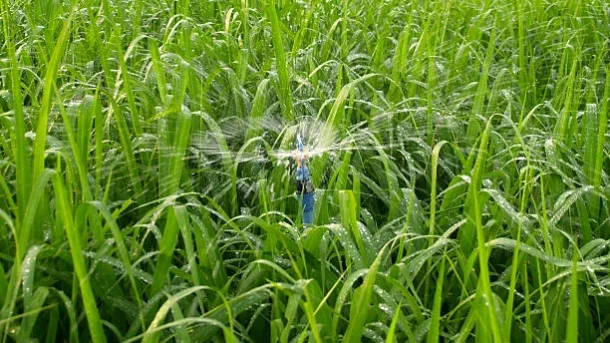
Especially in areas with irregular or insufficient rainfall, the presence of irrigation infrastructure can have a substantial impact on agricultural productivity. For a reliable and sufficient water supply to promote plant growth, irrigation entails the artificial application of water to crops. The following are some ways that irrigation infrastructure accessibility affects agricultural productivity:

Irrigation provides crops with a steady and dependable water supply, regardless of the natural patterns of rainfall. This enables farmers to keep the soil at the ideal level of moisture, ensuring that crops have access to water when they require it. This can increase yields and lessen crop losses as a result of drought.

Farmers can extend the growing seasons with irrigation beyond the restrictions imposed by natural rainfall. This increases total agricultural output by enabling numerous cropping cycles or the cultivation of crops that need longer growing seasons.

Crop Diversification: Irrigation makes it possible to grow a variety of crops, even ones that are incompatible with agriculture reliant on rain. By lowering reliance on a small number of rain-fed crops, this encourages crop variety and improves food security.

Increased Crop Yields: Proper irrigation ensures that crops receive the nutrients they need for optimum growth. This may result in increased agricultural yields and better crop quality.

What are the opportunities for agricultural startups in the market?

startups

Startups in the agricultural sector have a great chance to improve the market and solve numerous problems the sector is now facing. Agricultural startups can take advantage of the following opportunities as the agriculture industry develops and adopts new technologies and methods:

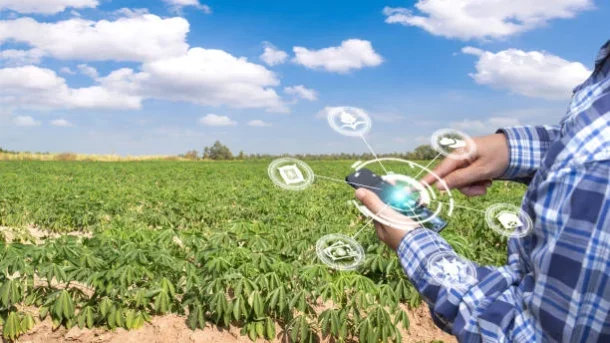
Precision Agriculture technology: To help farmers better utilize resources, boost productivity, and cut costs, startups can create and offer precision agriculture technology like IoT sensors, drones, and AI-powered analytics.

Startup can provide smart farming solutions that use automated systems, remote monitoring, and data-driven decision-making to enhance overall farm management and productivity.

Innovations in Sustainable Agriculture: There is a rising demand for sustainable agricultural methods. Startups can concentrate on creating technology and goods that improve soil health, use less water, use fewer chemicals, and increase biodiversity.

Urbanization and the scarcity of arable land are the main factors driving demand for vertical farming and controlled environment agriculture. Startups can experiment with cutting-edge hydroponic, aeroponic, or aquaponic techniques to grow food indoors or vertically.

Agtech and Farm Management Software: Agricultural entrepreneurs can develop agtech platforms and farm management software that help farmers organize their activities, track their data, and access insightful information to make better decisions.

How are agricultural commodity prices affected by currency devaluation?

prices

Prices of agricultural commodities can be significantly impacted by currency devaluation on both the domestic market and the global market. Currency devaluation is the deliberate decrease in the value of a nation’s currency in comparison to other currencies. Here is how currency devaluation affects the price of agricultural commodities:

Export Competitivity: A country’s exports are more competitive on the global market when its home currency is weaker. When represented in their stronger currencies, agricultural goods produced in the devaluing nation are relatively more affordable for overseas customers. Increased export volumes and more demand for the nation’s agricultural products may result from this.

Costs of Imports: When a country’s currency is devalued, imports become more expensive for that nation. Importing agricultural inputs including machinery, insecticides, and fertilizer may become more expensive as a result. This might result in greater production costs for home farmers and possibly higher prices for domestic goods.

Devaluations of currencies might result in inflation in the nation that is depreciating them. Increased import expenses might result in higher consumer prices, which includes food expenditures. A price increase in agricultural commodities could affect both consumers and food processors because they are necessary parts of the food supply.

Foreign Debt: For nations with sizable debt in foreign currencies, currency devaluation may raise the cost of debt servicing. Higher debt payment expenses could strain the government’s finances and possibly have an impact on agriculture subsidies or other government programs.

What are the potential impacts of artificial intelligence on the agricultural market?

artificial intelligence

By bringing novel solutions that enhance production, efficiency, and sustainability, artificial intelligence (AI) has the potential to completely transform the agricultural sector. A few possible effects of AI on the agriculture market are listed below:

Precision farming uses AI-powered tools to offer real-time information on crop health, soil conditions, and weather patterns. These tools include drones, satellite photography, and remote sensing. With the help of this information, farmers can utilize precision farming techniques to boost crop yields and optimize resource consumption, such as the targeted application of pesticides and fertilizers.

Crop Management: AI algorithms can evaluate massive volumes of data from sensors and IoT devices to track crop growth, identify diseases, and anticipate pest infestations. Crop losses can be avoided, and total farm output can be raised, with the help of early identification and management.

Automated equipment and robotics: AI can facilitate the creation of self-driving equipment and robots that can do a variety of agricultural jobs, such as planting, harvesting, and weeding. Automation can save labor expenses and help with the agricultural labor crisis.

Climate Prediction and Adaptation: In order to make more precise predictions of climate trends, Artificial Intelligence can examine historical weather data and climate models. With the aid of this knowledge, farmers can modify their methods in response to varying weather patterns and lessen the negative effects of climate change on agriculture.

How does the adoption of precision agriculture technologies affect farm profitability?

precision agriculture

By enhancing productivity, lowering input costs, maximizing resource utilization, and raising yields, the adoption of precision agriculture technologies can have a substantial beneficial influence on farm profitability. Using cutting-edge technology, data analytics, and real-time monitoring, precision agriculture enables knowledgeable and site-specific decisions to be made about farming operations. The following are some ways that implementing precision agricultural technologies can raise farm profitability:

Optimum Resource Use: Precision agricultural technology allow farmers to apply inputs like water, herbicides, and fertilizers precisely where they are needed. Farmers can limit waste and lower input costs, which will result in cost savings and enhanced profitability, by using these resources only where and when necessary.

Increased Yield: Through the use of precision agriculture, farmers can recognize variability in their fields and adjust their management strategies as necessary. This focused strategy can boost crop health and production, resulting in greater yields and more substantial profits.

Reduced Environmental Impact: Precision agriculture can support environmental sustainability by maximizing input utilization and minimizing chemical application. The reputation of the farm and its goods can thus be enhanced, which may result in premium pricing and competitive advantages in the market.

Real-time monitoring: Farmers may access real-time information on crop health, soil conditions, and weather thanks to precision agricultural tools. With the aid of this information, farmers are able to react quickly to shifting environmental factors, avoiding or minimizing potential problems that can adversely affect yields and profitability.