POSTEDITOR OFFICE

Are there any biofertilizers specifically designed for specific crops?

specific crops

These are a few illustrations of specific crops biofertilizers:

Biofertilizers based on Rhizobium: Rhizobium inoculants are made for leguminous plants like beans, peas, lentils, and soybeans. Leguminous plants and rhizobium bacteria collaborate to fix atmospheric nitrogen, which serves as a substantial supply of nitrogen for the plants. Because they lessen the demand for nitrogenous fertilizers and support sustainable agriculture, these biofertilizers are essential for the growth of legumes.

Biofertilizers made from azospirillum are frequently used to non-leguminous crops like wheat, maize, sorghum, and millets. By generating growth-stimulating compounds like auxins and improving nutrient uptake, particularly nitrogen, these bacteria aid in plant growth.

Phosphate-solubilizing biofertilizers: These fertilizers can be used with a variety of crops since they contain phosphate-solubilizing microorganisms. However, they are especially helpful for crops like rice, oilseeds, and root crops that need a higher phosphorus supply. These biofertilizers make more phosphorus available in the soil, which encourages root formation and plant growth in general.

Mycorrhizal fungus associate symbiotically with the roots of most plants to produce mycorrhizal biofertilizers. Mycorrhizal biofertilizer formulations can be made especially for a certain crop or crop family. For instance, there are mycorrhizal inoculants designed for particular tree species, vegetables, or fruit trees. These biofertilizers facilitate the uptake of nutrients and water, particularly in plants with deep root systems.


How do biofertilizers influence the plant’s nutrient content?

content

Biofertilizers have a variety of effects on the plant’s nutritional content, but they largely increase nutrient availability and uptake. Biofertilizers are made up of helpful microorganisms that interact with plants and the soil environment to promote nutrient uptake and plant nutritional content. These microorganisms include bacteria, fungi, and algae. How biofertilizers affect the amount of nutrients in the plant are as follows:

Nitrogen fixation: Symbiotic connections between nitrogen-fixing bacteria like Rhizobium and Azotobacter and leguminous plants (such peas, beans, and soybeans) are known as nitrogen fixation. By converting ambient nitrogen (N2) into ammonia (NH3) and ammonium ions (NH4+), which plants may easily absorb, these bacteria infiltrate the plant’s root nodules. Nitrogen, which is necessary for plants’ growth and development, is made available to them through this mechanism. Consequently, the amount of nitrogen in the plant increases.

In order to solubilize bound phosphorus (P) in the soil, phosphate-solubilizing bacteria, such as Pseudomonas and Bacillus species, create organic acids and enzymes. This increases the availability of phosphorus to plants, fostering higher root growth, flowering, and fruiting. Higher phosphorus content in the plant tissues results from increased phosphorus availability.

Mobilization of potassium: Some biofertilizers assist in the soil’s mobilization of potassium (K). For instance, several bacteria can release potassium from organic or mineral sources, increasing its availability to plants. For several physiological functions in plants, such as water management and enzyme activation, adequate potassium levels are essential.

Can biofertilizers be used to reclaim degraded soils?

reclaim

The following are some ways that biofertilizers can aid in soil reclaim:

Enrichment of nutrients: Biofertilizers, particularly those that fix nitrogen and break down phosphate, can help replenish vital nutrients in the soil. While phosphate-solubilizing bacteria solubilize bound phosphorus in the soil, making it accessible to reclaim plants, nitrogen-fixing bacteria transform atmospheric nitrogen into forms that are useful to plants. In locations where the soil has lost vital nutrients, nutrient enrichment is critical.

Decomposition of organic debris in the soil is aided by some biofertilizers, such as specific fungus and bacteria. The release of nutrients from organic material during the decomposition process increases soil fertility.

Improved soil structure is made possible by biofertilizers and the organic matter they contribute. This improves water infiltration and retention, which lowers the danger of erosion and makes it easier for plants to get water and nutrients.

Enhanced microbial activity: Beneficial microorganisms included in biofertilizers help to increase microbial activity in the soil. This may result in better nutrient cycling and greater nutrient availability for plants.

Restoring soil biodiversity is a common step in the process of reclaiming degraded soils. By introducing advantageous microorganisms that can settle and flourish in the soil and support a more balanced and healthy ecosystem, biofertilizers can aid in this process.

Are there any genetically modified biofertilizers?

genetically modified

There were no commercially available genetically modified (GM) biofertilizers on the market as of my most recent update in September 2021. Beneficial microorganisms including nitrogen-fixing bacteria, phosphate-solubilizing bacteria, and mycorrhizal fungus make up the majority of biofertilizers. These bacteria are normally found naturally and are not genetically altered.

Research and discussion on the use of genetically modified organisms (GMOs), such as modified bacteria or fungi for biofertilization, are underway. Some scientists and researchers are looking at the possibility of genetically altering specific microbes to increase their efficiency as biofertilizers, but it’s important to approach cautiously and carefully weigh the benefits and hazards.

Strict safety analyses would probably be necessary before using genetically modified bacteria as biofertilizers to make sure they don’t harm unintended creatures or pose any concerns to the environment. In addition, using GM biofertilizers may provide regulatory and public acceptance difficulties.

It is crucial to remember that the science of biotechnology is always developing, and new advancements may have happened since my previous update. It would be advisable to contact scholarly journals, agricultural research organizations, and regulatory bodies that specialize in biotechnology and agricultural advancements to receive the most recent information about genetically engineered biofertilizers.

Can biofertilizers be used in conjunction with biochar?

biochar

Yes, it is possible to combine biochar and biofertilizers. Both biofertilizers and biochar are environmentally friendly agricultural techniques that can increase soil fertility and promote plant development while lowering the demand for synthetic fertilizers and other chemical inputs.

Biofertilizers: These biological substances, which include helpful bacteria, fungi, and algae, are used to fertilize plants. These bacteria support soil nutrient cycle, nitrogen fixation, and nutrient solubilization. You can improve plant development and yield by adding biofertilizers to the soil to boost the availability of nutrients to plants.

A type of charcoal made from the pyrolysis of organic materials like wood, crop wastes, or agricultural waste is called biochar. When added to the soil, biochar aids in the sequestration of carbon and enhances the soil’s ability to keep nutrients and retain water. 

An agricultural system that uses both biofertilizers and biochar can be more productive and sustainable because of how well they work together:

Increased nutritional availability: By fixing nitrogen and improving the accessibility of other nutrients to plants, biofertilizers help to increase nutrient availability. Combining it with charcoal, which also improves soil nutrient retention, can offer a consistent source of minerals for plant growth.

Better soil health: Biochar enhances soil aeration, drainage, and structure, which fosters the development and activity of the helpful microorganisms found in biofertilizers. The improved soil fertility and microbial activity can further encourage nutrient cycling.

What are some examples of successful biofertilizer applications in agriculture?

applications

There are several examples of biofertilizer applications that have been effective in agriculture, where the use of biofertilizers has increased crop yields, decreased reliance on chemical fertilizers, improved soil health, and promoted sustainable agricultural practices. Here are a few noteworthy instances:

Rhizobium Inoculation for Legumes: Rhizobium biofertilizers have been successfully used to inoculate legume crops like soybeans, chickpeas, and lentils. The symbiotic association that rhizobium develops with legume roots allows it to fix atmospheric nitrogen into forms that plants can use, which greatly reduces the need for nitrogenous artificial fertilizers and increases crop output.

Mycorrhizal Fungi in Various Crops: Vegetables, fruit trees, and grains have all benefited from the use of mycorrhizal biofertilizers. Mycorrhizal fungi develop advantageous relationships with plant roots, enhancing nutrient intake effectiveness, water absorption, and disease resistance.

Bacteria that Solubilize Phosphate: Biofertilizers applications that help phosphorus dissolve have been used on crops with high phosphorus needs, like maize, rice, and wheat. These microorganisms make soil’s fixed phosphates available to plants by solubilizing them, which lessens the requirement for phosphorus-containing chemical fertilizers.

For cereal crops like wheat, rice, and corn, azotobacter biofertilizers have demonstrated their efficacy. Azotobacter fixes nitrogen in the atmosphere, promoting plant growth and output while lowering reliance on nitrogen fertilizers.

Cyanobacteria for Paddy Rice: In paddy rice fields, cyanobacterial biofertilizers have been used to increase soil fertility and aid in nitrogen fixation. In some areas, using this method instead of chemical nitrogen fertilizer to grow rice has proved successful.

How do biofertilizers benefit soil microorganisms?

soil microorganisms

The community of soil microorganisms is supported and flourishes thanks to the use of biofertilizers. Biofertilizers increase microbial diversity, activity, and interactions by introducing beneficial microbes, which improves soil health and nutrient cycling. What are the advantages of biofertilizers for soil microorganisms?

Microbial Inoculation: Biofertilizers have certain beneficial microorganisms in them, such as nitrogen-fixing bacteria, phosphate-solubilizing bacteria, mycorrhizal fungi, or other bacteria that encourage plant growth. These biofertilizers interact with the already present soil microbial population by introducing new microbial species when applied to the soil.

Enhanced Microbial Diversity: Biofertilizers have the potential to introduce new microbial strains, enhancing the diversity of microbes in the soil as a whole. A varied microbial community is more resilient and able to carry out a number of advantageous tasks.

xSynergistic Interactions: The microorganisms added to biofertilizers have the potential to create synergistic interactions with the soil microorganisms already present. These interactions could include the exchange of nutrients, the activity of signaling molecules, and assistance in fending off environmental stressors.

Beneficial microorganisms included in biofertilizers help the soil’s nutrient cycling activities. While phosphate-solubilizing bacteria liberate bound phosphates, making them available to plants and other microbes, nitrogen-fixing bacteria transform atmospheric nitrogen into forms that are useful to plants.

Compost and other organic matter-containing biofertilizers may aid in the decomposition of organic matter in the soil. During decomposition, microbial activity releases nutrients and promotes the development of other soil microbes.

Can biofertilizers be used in greenhouse cultivation?

greenhouse cultivation

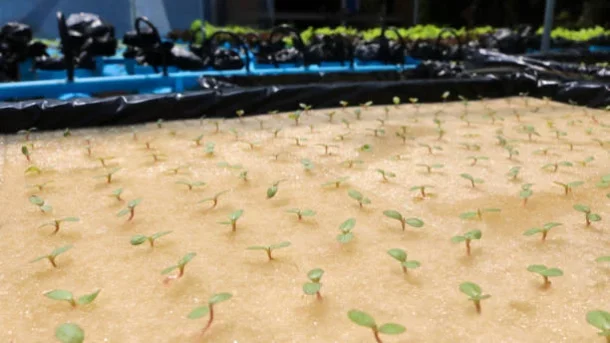
Yes, using biofertilizers in greenhouse cultivation can improve plant health, growth, and nutrient uptake. Greenhouses offer a regulated environment for plant growth, which makes them the perfect place to apply biofertilizers. The following are some advantages of employing biofertilizers in greenhouse agriculture:

Improved Nutrient Availability: Biofertilizers like phosphate-solubilizing bacteria and nitrogen-fixing bacteria assist increase the availability of nutrients in the soil. This can be especially helpful in greenhouse configurations where nutrient retention can be difficult.

Mycorrhizal fungi, a type of biofertilizer, develop symbiotic associations with plant roots to increase the nitrogen uptake efficiency of greenhouse crops.

Reduced Dependence on Chemical Fertilizers: By utilizing biofertilizers in addition to or as a partial replacement for chemical fertilizers, greenhouse farmers can lessen their reliance on synthetic fertilizers, improving the sustainability of their production practices.

Sustainable Soil Health: Biofertilizers help greenhouse cultivation soils have better soil health and more microbial activity, which supports a healthier rhizosphere for plant growth.

Disease Suppression: Some biofertilizers promote systemic resistance in plants, which can help protect greenhouse crops from illnesses that are transmitted through the soil.

Organic Certification: Because certain types of biofertilizers adhere to the principles of organic farming, they may be useful for greenhouse producers seeking organic certification.

What role do biofertilizers play in reducing nutrient runoff and water pollution?

water pollution

Because of their distinct methods for nutrient release and increased nutrient uptake efficiency, biofertilizers significantly contribute to lowering nutrient runoff and water pollution. When too many nutrients, such nitrogen and phosphorus, are removed from agricultural fields by rainfall or irrigation water and end up in bodies of water like rivers, lakes, and seas, this is known as nutrient runoff. In addition to contributing to problems like eutrophication, destructive algal blooms, and deteriorated water quality, this nitrogen discharge can cause water pollution. Here is how biofertilizers lessen water pollution and nutrient runoff:

Contrary to chemical fertilizers, which frequently release nutrients quickly, biofertilizers release nutrients more gradually and slowly. The risk of nutrient runoff and leaching is decreased by the slow-release nature of biofertilizers. As plants grow, nutrients are released.

Increased Nutrient Uptake Efficiency: Biofertilizers, notably mycorrhizal fungi and bacteria that promote plant growth, increase the efficiency with which nutrients are taken up by plants. It is less likely that extra nutrients will be left in the soil to drain or discharge with water when plants absorb nutrients more effectively.

Reduced usage of Chemical Fertilizers: The usage of biofertilizers may result in a decreased use of chemical fertilizers in general. The overall amount of nutrients supplied to the soil is decreased, lowering the possibility of nutrient runoff, by supplementing or partially substituting chemical fertilizers with biofertilizers.

Improved Soil Structure: Some biofertilizers, including mycorrhizal fungi, help to aggregate the soil and enhance its structure. A more effective soil structure encourages water infiltration and decreases surface runoff, which limits the movement of nutrients off the soil.

How do biofertilizers compare to compost and manure?

compost

Compost, manure, and biofertilizers are all excellent organic sources of nutrients and helpful microorganisms for plants. However, they vary in terms of composition, nutrient content, application techniques, and nutrient release mechanisms. Here is a comparison of manure, compost, and biofertilizers:

Composition:

Products containing helpful microorganisms like nitrogen-fixing bacteria, phosphate-solubilizing bacteria, mycorrhizal fungi, or plant growth-promoting rhizobacteria (PGPR) are referred to as biofertilizers. They frequently interact with plants in symbiotic ways and are living creatures.

Compost: Compost is a byproduct of the breakdown of organic material, such as plant materials, yard waste, and kitchen scraps. It lacks specialized microbes but is abundant in organic materials, humus, and crucial nutrients.

Nutritional Value:

Biofertilizers: Biofertilizers primarily increase the availability of nutrients through the actions of their helpful microbes, which fix nitrogen, solubilize phosphates, or encourage plant nutrient uptake.

Compost: Compost offers a variety of nutrients, such as organic matter, nitrogen, phosphorous, and potassium, as well as micronutrients and other nutrients that release nutrients over time.

Manure: Manure comprises organic matter, which releases nutrients gradually as it decomposes, as well as necessary nutrients like nitrogen, phosphorous, and potassium.

Release of Nutrients:

Biofertilizers: The growth and activity of the helpful microorganisms in the soil determine how slowly and gradually nutrients are released from biofertilizers.

Composts: As compost decomposes and breaks down, nutrients are progressively released over a lengthy period of time.

Manure: As manure decomposes and becomes available to plants over time, nutrient release from it is also slow.