POSTEDITOR OFFICE

What are the factors that affect the survival and efficacy of biofertilizers in the soil?

Biofertilizers

Several elements that can affect biofertilizer establishment, activity, and interactions with the soil environment and plants can affect the life and effectiveness of biofertilizers in the soil. Maximizing the advantages of biofertilizers requires an understanding of and management of these elements. Following are some significant elements that may affect the persistence and effectiveness of biofertilizers in the soil:

Storage conditions: To sustain the viability of the microorganisms that make up biofertilizers, proper storage conditions are crucial. Their shelf life may be impacted by elements like temperature, moisture, and sunlight. It’s crucial to adhere to the manufacturer’s storage instructions to guarantee the biofertilizer product’s vitality.

The way that biofertilizers are applied can affect both their survival and effectiveness. Successful colonization depends on the biofertilizer making excellent contact with soil or plant roots.

Environment of the soil: The survival and activity of biofertilizer microorganisms can be influenced by the soil’s properties, such as pH, texture, and organic matter content. Some strains may be better suited than others to particular soil conditions.

Competing microorganisms: For resources and niches in the soil, native soil microorganisms may engage in competition with biofertilizer microorganisms. The successful installation of biofertilizer may be hampered by the presence of large populations of native microorganisms.


How do biofertilizers influence the soil’s microbial diversity?

Biofertilizers microbial diversity

By introducing helpful microorganisms and fostering interactions within the soil microbiome, biofertilizers have a substantial impact on the microbial diversity of the soil. Specific biofertilizers can encourage the development and activity of advantageous bacteria, increasing microbial diversity and improving the health of the soil. Here is how biofertilizers affect the variety of microorganisms in the soil:

Introduction of beneficial microorganisms: Biofertilizers are designed with microorganisms that support plant growth, such as nitrogen-fixing bacteria, phosphate-solubilizing bacteria, mycorrhizal fungi, and other PGPRs. When incorporated into the soil, these bacteria interact with the already present microbial community and colonize the rhizosphere (the area around plant roots).

Different biofertilizer microorganisms have specialized roles and ecological niches within the soil ecosystem. Mycorrhizal fungi, for instance, work in symbiosis with plant roots to help with nutrient intake, and nitrogen-fixing bacteria help with nitrogen fixation. These particular microbes fill new niches and encourage interactions with other soil microbes.

Enhancement of microbial activity: Biofertilizers increase the soil’s properties, the availability of nutrients, and the amount of organic matter, which might encourage the activity of different soil microbes. The microbial community supports enhanced nutrient cycling and organic matter breakdown as it grows more active, diversified, and interconnected.

Enhanced plant growth and root exudation induced by biofertilizers might result in higher carbon inputs into the soil, which has indirect consequences on microbial diversity. In turn, this increase in carbon fuels a variety of  soil microorganisms, promoting their growth and diversity.

Can biofertilizers be used in combination with biopesticides for pest management?

Biofertilizers and biopesticides

Biopesticides and biofertilizers are two examples of biological control agents that can work in conjunction with one another to regulate pest populations. Here is how they can cooperate:

Biofertilizers encourage plant growth and improve the health of plants. Healthy plants are more able to withstand pest attacks and recover from pest damage. The health of the plant can be improved by employing biofertilizers, which can also help the plant’s defense mechanisms.

Increased pest tolerance: Some biofertilizers, particularly plant growth-promoting rhizobacteria (PGPR) and mycorrhizal fungi, can make plants more resistant to pests by inducing systemic resistance. In other words, they stimulate the plant’s immunological response, increasing its resistance to numerous infections and pests. Therefore, plants treated with biofertilizers might exhibit higher pest resistance.

Support for applying biopesticides: Biofertilizers can act as a vehicle for applying biopesticides. Biopesticides can be distributed to the plant’s rhizosphere and leaves more efficiently when used in conjunction with biofertilizers, increasing their potency.

Ecosystem balance: Using biopesticides and fertilizers combined can help keep an ecosystem in balance. Beneficial microorganisms and pests’ natural adversaries can be harmed by synthetic chemical fertilizers and insecticides. The impact on beneficial species is reduced when using biofertilizers and biopesticides, supporting a healthier and more sustainable agricultural system.

What is the role of biofertilizers in reducing nutrient imbalances in the soil?

Nutrient

By encouraging nutrients cycling, enhancing nutrient availability, and enhancing plant nutrients absorption, biofertilizers significantly contribute to the reduction of nutritional imbalances in the soil. When some important nutrients are present in inadequate or excessive amounts compared to the needs of the plant, nutritional imbalances result. Using biofertilizers can help correct soil nutrient imbalances in the following ways:

Fixation and solubilization of nutrients: Microorganisms found in biofertilizers can fix atmospheric nitrogen (N2) and transform it into forms that plants can use, including ammonia (NH3) or nitrate (NO3-). Rhizobia and azotobacters, two nitrogen-fixing bacteria, aid in alleviating soil nitrogen deficiency.

Phosphorus solubilization: Some biofertilizers can solubilize bound phosphorus (P) in the soil, making it more available to plants. Examples include phosphate-solubilizing bacteria and mycorrhizal fungus. Deficits in phosphorus are lessened by doing this.

Increased nutrient intake: Biofertilizers, especially mycorrhizal fungi and plant growth-promoting rhizobacteria (PGPR), increase nutrient uptake by improving the root’s capacity to absorb nutrients. They promote the growth of roots, expand the area of the roots, and aid in the absorption of vital nutrients like micronutrients, nitrogen, and phosphorus.

Leaching and volatilization of nutrients are reduced by biofertilizers, which also encourage the effective use of nutrients. Biofertilizers reduce the danger of nutrients imbalances by maximizing nutrient uptake and use. This helps prevent excessive nutrient buildup in the soil.

How do biofertilizers interact with plant growth-promoting rhizobacteria (PGPR)?

PGPR

Plant growth-promoting rhizobacteria (PGPR) and biofertilizers frequently collaborate to improve plant growth and general health. Both PGPR and biofertilizers are helpful microorganisms that interact with plants, although their specific effects and modes of action can vary. Here is how rhizobacteria that encourage plant development and biofertilizers interact:

Accessibility of nutrients: Biofertilizers that increase nutrient availability in the soil include bacteria that fix nitrogen and microorganisms that dissolve phosphate. By encouraging the plant roots to absorb these nutrients, PGPR can enhance this effect. For instance, PGPR can release organic acids and enzymes to aid in the solubilization and absorption of nutrients.

Rhizobacteria that promote plant growth can improve root formation and the proliferation of root hairs. Greater root surface area as a result makes it easier for plants to absorb water and nutrients from the soil. By giving the plants more nutrients, biofertilizers can further boost root development.

Auxins, cytokinins, and gibberellins are a few examples of the plant growth-promoting hormones that some PGPR can make. These hormones influence Plant Growth and development in a variety of ways, including by encouraging root growth and improving nutrient uptake. Biofertilizers and PGPR’s can work together to promote stronger responses in plant development.

Can biofertilizers help in the restoration of ecosystems after natural disasters?

Ecosystems

Natural catastrophes can deplete soil nutrients and change soil structure, requiring soil fertility restoration. By replacing vital nutrients and encouraging nutrient cycling, biofertilizers, especially those containing nitrogen-fixing bacteria and phosphate-solubilizing microorganisms, can help restore soil fertility.

Controlling erosion: The loss of vegetation after natural disasters like wildfires or floods can make the land more prone to erosion. Biofertilizers can encourage speedy plant development, allowing vegetation to take root quickly and stabilizing the soil, lowering the risk of soil erosion.

Rapid plant establishment: Some biofertilizers include mycorrhizal fungus and plant growth-promoting bacteria that promote root formation and nutrient uptake. These microorganisms promote plant establishment and growth, which supports ecosystem recovery.

Retention of nutrients: Biofertilizers boost the amount of organic matter in the soil, which aids in holding onto nutrients and moisture. In ecosystems that have lost their nutrient-rich topsoil as a result of catastrophes like landslides, this can be vital.

Restoration of biodiversity: Biofertilizers help the growth of a variety of plant communities, which is essential for regaining ecosystem functionality and boosting total biodiversity.

Sustainability of the environment: Using biofertilizers saves resources by reducing the demand for synthetic fertilizers, which can damage ecosystems and water bodies.

Stress tolerance: Biofertilizers can improve plant tolerance to stress, enabling vegetation to endure challenging post-disaster conditions such soil contamination, drought, and extreme heat.

What are the potential socio-economic benefits of using biofertilizers?

socio economic

Farmers, communities, and the agricultural industry as a whole may all gain from the usage of biofertilizers in a variety of socio economic ways. The following are some of the main socio economic advantages of employing biofertilizers:

Less expensive inputs: Biofertilizers are a more affordable option than synthetic chemical fertilizers. Agriculture can become more economically sustainable by using biofertilizers in place of costly chemical fertilizers, which saves farmers money.

Increasing soil fertility and nutrient availability with biofertilizers results in healthier, more productive crops with higher yields. Crop yields that are higher can result in higher farmer incomes and better community food security.

Using less synthetic fertilizers, which have the potential to have a detrimental influence on the environment, biofertilizers assist sustainable farming practices. Utilizing biofertilizers promotes the preservation of natural resources, biodiversity, and healthy soil.

Environmental protection: Compared to chemical fertilizers, biofertilizers have a smaller environmental impact. In addition to lowering greenhouse gas emissions linked to the manufacture and application of synthetic fertilizers, they also lessen the danger of soil and water pollution.

An improvement in soil health is achieved by using biofertilizers, which also increase nutrient cycling, organic matter content, and microbial activity. Long-term agricultural productivity and environmental stress resistance are supported by healthy soils.

How do biofertilizers affect the soil’s water-holding capacity?

water-holding

Through a number of mechanisms that improve soil structure, increase the amount of organic matter in the soil, and promote root development, biofertilizers can have a favorable impact on the soil’s ability to hold water. The ability of a soil to store water for use by plants is referred to as its water-holding capacity. Here is how biofertilizers affect the soil’s ability to retain water:

Improved soil structure is a result of some biofertilizers, including mycorrhizal fungus and phosphate-solubilizing bacteria. Larger pore spaces between soil particles are produced by soil aggregation, which facilitates water infiltration and lowers surface runoff. Soils with better agglomeration can retain water for longer periods of time, reducing runoff and water loss.

Enhancement of organic matter: Biofertilizers can help the soil’s organic matter, such as crop leftovers and root exudates, break down. The formation results from the decomposition of organic materials.

Biofertilizers, in particular mycorrhizal fungi and certain bacteria that promote plant growth, boost root growth and development. A strong root system improves the soil’s capacity to absorb and hold water, which lowers water loss through leaching and enhances plant water availability.

Enhanced nutrient uptake: Biofertilizers make it easier for plants to get nutrients, which improves their general health and growth. Healthy plants are better able to use water effectively, which minimizes water loss and maximizes crop water use.

Some biofertilizers can aid in lessening soil compaction, which enhances water infiltration and retention. Because there are fewer pore spaces in compacted soils, there is more surface runoff and less water-holding capacity.

Can biofertilizers be used in hydroponic and aeroponic systems?

hydroponic

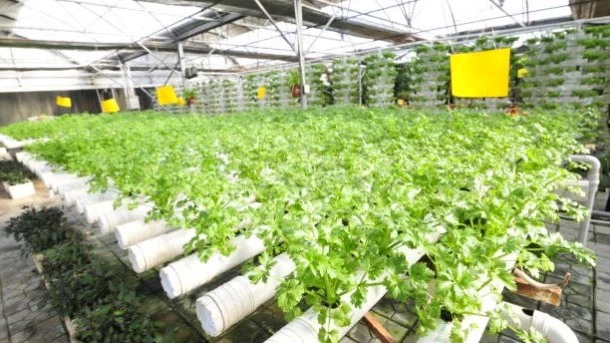
These methods do away with the need for soil-based nutrient provision by directly supplying nutrients to plant roots. Biofertilizers can be used in hydroponic and aeroponic systems in the following ways:

Biofertilizers are frequently offered in liquid formulations or carrier-based formulations. Liquid formulations are better suited for hydroponic and aeroponic systems since they can be easily incorporated into nutrient solutions or misting systems.

Checking the compatibility of the biofertilizer product with the particular nutrient solution being used is crucial prior to employing biofertilizers in hydroponic or aeroponic systems. The efficiency of some biofertilizers may be impacted by interactions with specific nutrients or other additions in the solution.

The ideal concentration of the biofertilizer to be added to the nutrient solution or misting system should be determined. To determine the appropriate concentration for the specific crop and system, carry out small-scale trials or adhere to the manufacturer’s dosing instructions.

Types of biofertilizers: Take into account employing biofertilizers appropriate for soilless environments. Due to the lack of a soil environment, some biofertilizers, such as mycorrhizal fungi, may not be as efficient in hydroponic or aeroponic systems.

Application approach: Depending on how the system is built, the biofertilizer will be added in one of several ways. In aeroponics, the biofertilizer can be added to the misting solution, but in hydroponics, it can be added straight to the nutrient reservoir.

What is the role of nitrogen-fixing archaea in biofertilizers?

nitrogen-fixing

The role of nitrogen-fixing archaea in biofertilizers is still being studied as of my most recent knowledge update in September 2021, and their practical application in agriculture is not yet well-established. However, like nitrogen-fixing’s bacteria and cyanobacteria, nitrogen-fixing’s archaea have the potential to contribute to biofertilizers.

In biofertilizers, nitrogen-fixing archaea may play several roles.

The genetic ability of nitrogen-fixing archaea to transform atmospheric nitrogen (N2) into ammonia (NH3) or ammonium (NH4+), making nitrogen available for plants, is the basis for biological nitrogen fixation. For the soil to be enriched with nitrogen, a crucial ingredient for plant growth, this biological nitrogen fixation process is necessary.

Increased variety of nitrogen-fixing microorganisms in the soil can be achieved by including nitrogen-fixing’s archaea into biofertilizers. 

Different nitrogen-fixing’s microbes, including archaea, may thrive under particular soil circumstances thanks to their ability to adapt to such conditions. In soils where conventional nitrogen-fixing’s bacteria encounter difficulties, incorporating archaea into biofertilizers may be advantageous.

Using nitrogen-fixing archaea in biofertilizers could lessen the need for synthetic nitrogen fertilizers, encouraging more environmentally friendly agricultural practices and reducing negative effects like nitrogen leaching and greenhouse gas emissions.