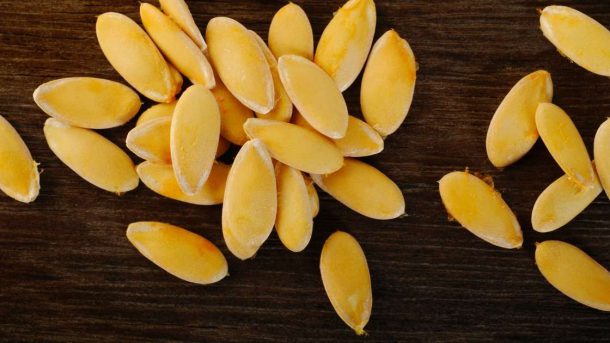
Breeder seed is seed or vegetative propagating material directly controlled by the originating or sponsoring plant breeder of the breeding programme or institution and/ or seed whose production is personally supervised by a qualified plant breeder and which provides the source for the initial and recurring increase of foundation seed. Breeder seed shall be genetically so pure as to guarantee that in the subsequent generation i.e. certified foundation seed class shall confirm to the prescribed standards of genetic purity. The other quality factors of breeder seed such as physical purity, inert matter, germination etc. shall be indicated on the label on actual basis. A golden yellow colour certificate is issued for this category of seed by the producing breeder.
How to control Parthenium weed ?
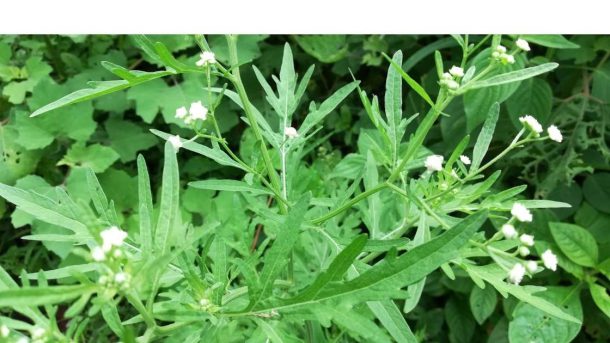
Parthenium weed can be controlled by manual weeding and destruction of Parthenium plants before flowering using machineries. Uniform spraying of sodium chloride 200g + 2 ml soap oil/litre of water (or) Spraying of 2,4-D sodium salt 8 g or glyphosate10 ml + 20g ammonium sulphate + 2 ml soap solution/litre of water before flowering also helps. Parthenium can be replaced by raising raising competitive plants like Cassia serecea and Abutilon indicum on fallow lands. Biological control of parthenium can be done using Mexican beetle, fungal pathogen and nematodes.
What are the symptoms of mango malformation?
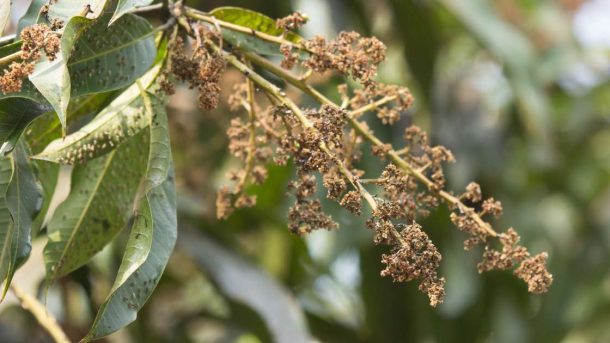
Mango malformation illness is characterised by abnormal, compact growth of shoots and flowers. Misshapen shoots with short internodes and brittle leaves result from growing points such as leaf and stem buds. The leaves are much smaller than those on healthy plants, and they recurve towards the stem, giving the plant a squat, bunchy appearance. Shoot damage affects adult trees, but young plants suffer the most severe consequences, becoming severely stunted. The flowers are bloated, infertile, and fruitless. When compared to ideal flowers, there are generally a lot of male flowers. Panicles can also produce leaves that are dwarfed and deformed.
What is the cause of red rot of sugarcane ?
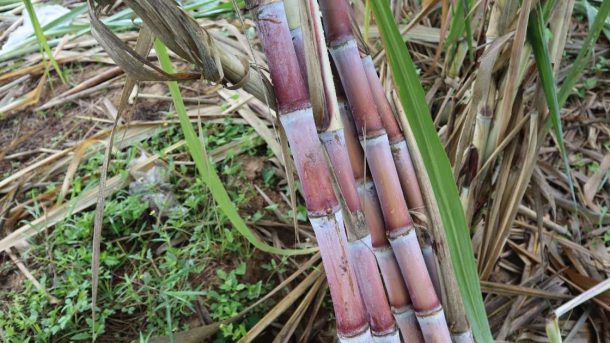
Red rot disease is caused by the fungus Glomerella tucumanensis. Pathogen present on leaf sheaths and blades, solitary or aggregated, often forming short lines between vascular bundles .There has been considerable difference in opinion as to the nature of the fungus that causes this disease. Some insisted that this fungus is more strictly saprophytic than parasitic, and that it cannot attack healthy canes. Others said that it cannot attack mature canes except through wounds, but that it can attack young plants. However, the young canes are usually protected by the leaf sheaths. In some places the fungus has been reported to grow on the dead canes only and the disease is not known.
What measures are included in integrated pest management of tomato?
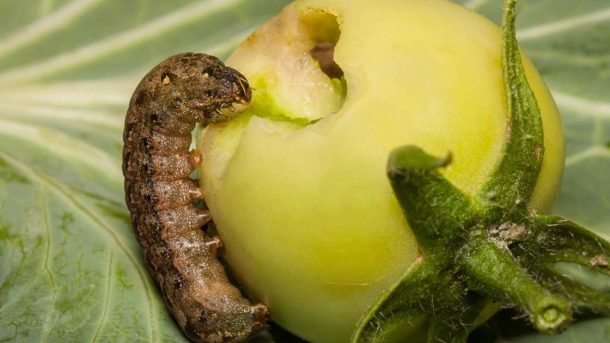
IPM measures of tomato include seed treatment with Pseudomonas fluorescens @ 10g/kg of seeds, nursery application with Trichoderma viride and Pseudomonas fluorescens and application of Neem cake @ 250kg/ha . Selection of good and virus disease free seedlings for planting and roguing out of virus infected plants upto 45 days of transplanting are included in IPM strategies. Marigold is grown as a border crop and as traps Helicoverpa / Spodoptera pheromone are used. Spraying Neem formulations (1%) / Neem seed kernel extract (5%) and use of yellow sticky traps are also inlcuded.
Which kind of soil is preferred for cultivation of onion?
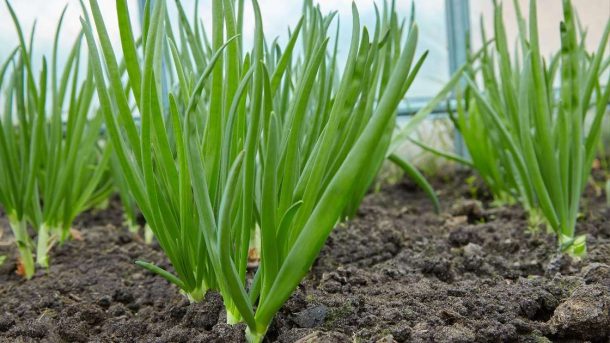
The best soil for successful onion cultivation is deep, friable loam and alluvial soils with good drainage, moisture holding capacity and sufficient organic matter but onion can be grown in all types of soils such as sandy loam, clay loam, silt loam and heavy soils . The bulbs produced may be deformed in heavy soil. with application of organic manure prior to planting onion crop can be grown successfully on heavy soil and preparation of the field for onion cultivation should be very good. The optimum pH range is 6.0 – 7.5 for all soils, but onion can also be grown in mild alkaline soils. Onion crop is more sensitive to highly acidic, alkali and saline soils and water logging condition. Onions do not survive in soils having pH below 6.0 because of trace element deficiencies.
What factors we should consider while selecting a sucker for banana cultivation?
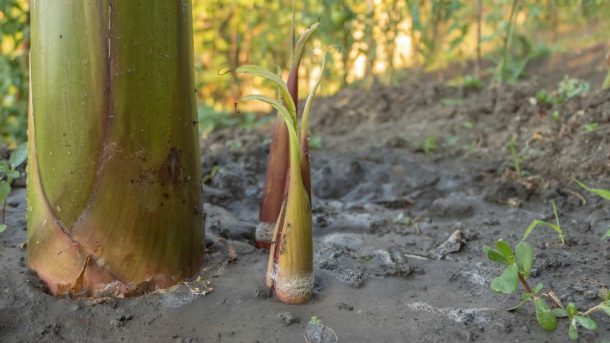
A sucker is a shoot that develops from a lateral bud on the rhizome and emerges from the soil usually near the parent plant. Suckers should be selected from a healthy field of banana. Sufficient care should be taken that suckers should not be damaged during digging and transport. Fresh sucker, weighing about 500 to 1,500 g, should be selected. For control of fungal diseases, suckers should be dipped in a solution of aurofugine1 (10 g / 100 litres of water) for 1.5 hour prior to planting.
What are the characteristics of sandy soils?

Sandy soils are characterized by less than 18% clay and more than 68% sand in the first 100 cm of the solum. Sandy soils are characterized by a lack of structure or that it is weakly developed. Sandy soils are often dry, nutrient deficient and fast-draining. They have little (or no) ability to transport water from deeper layers through capillary transport. Therefore, tillage of sandy soils in the spring should be kept to a minimum in order to retain moisture in the seedbed. The nutrient- and water-holding capacity of sand soils can be improved through adding organic material.
What are the disadvantages of use of chemical fertilizers ?
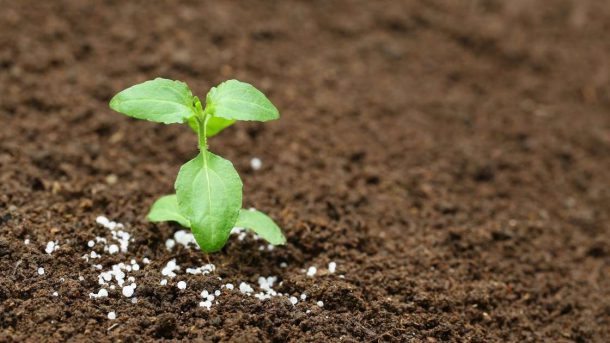
Over application of chemical fertilizers usually results in economic and environmental losses. Plant tissues becomes soft and vulnerable to diseases and pathogen due to overuse of chemical fertilizers. Increased rate of soil organic matter decomposition resulting in soil degradation might happen because of use of chemical fertilizers . Major drawback is loss of nutrients that are applied through different chemical reactions. Use of nitrogen fertilizers in an excess amount resulted in release of green house gases such as carbon dioxide and nitrous oxide in the atmosphere. When chemical fertilizers are used for a long duration , the trace nutrients present in the soil gets depleted and soil gets damaged.
How to improve soil organic matter?
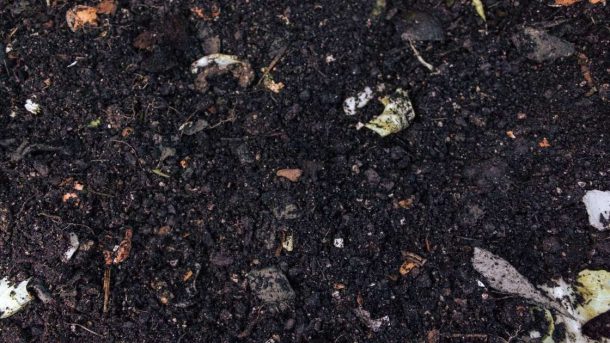
There are various methods to improve soil organic matter . This can be achieved by recycling the crop residue back to field without wasting and burning, by applying compost , by applying various organic manures, by mulching organic wastes, by using green manures and cover crops, by practicing suitable crop rotation, by reducing soil tillage and by avoiding soil erosion.