Many fungi create mycorrhizal relationships with plants, while many plants form mycorrhizal associations with other plants. These interactions appear to be specific to plants and fungi. Not all mycorrhizal fungi are compatible with all plants. There have been studies that suggest that being infected with the “wrong” fungus reduces the plant’s health and vigour.
What are mycorrhizae?
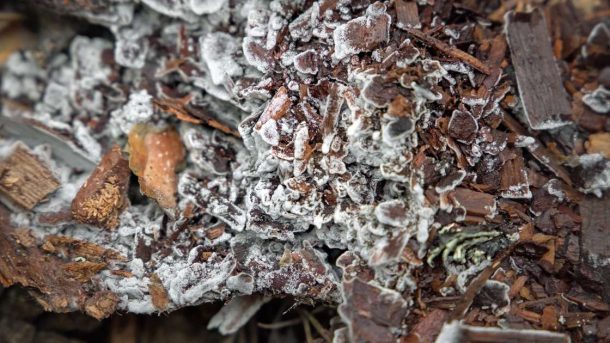
The associations between roots and fungi are called mycorrhizae. Plant roots provide a welcoming environment for fungus to anchor and develop their threads (hyphae). The fungi rely on the nutrients provided by the roots to flourish. In exchange, the enormous quantity of fungal hyphae works as a root system for the plants, allowing them to obtain more water and nutrients from the surrounding soil. This is particularly important in uptake of phosphorus, one of the major nutrients required by plants.
Why organic food is expensive ?
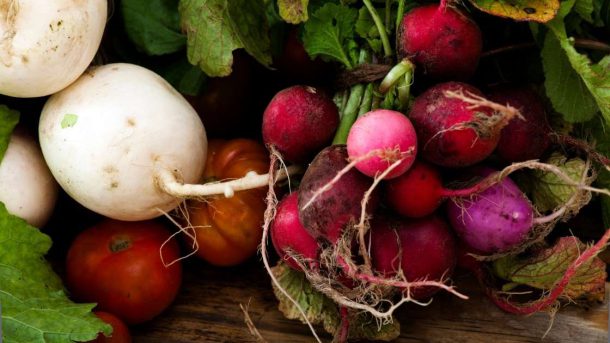
In comparison to demand, organic food supply is restricted. Organic food production expenses are often higher due to higher labour inputs per unit of output. Post-harvest handling of relatively small quantities of organic goods results in greater expenses, notably for processing and shipping. Organic products have a somewhat inefficient marketing and distribution network, and expenses are greater due to small volumes. As the demand for organic food and products grows, technical advancements and economic efficiency are becoming more important.
What is plant senescence ?

The process of ageing in plants is known as plant senescence. Stress-induced and age-related developmental ageing affect plants. The essential role of leaf senescence is to recycle nutrients, primarily nitrogen, to the plant’s growth and storage organs. Plants, unlike animals, constantly create new organs, and older organs go through a highly regulated senescence process to maximize nutrient outflow.
What is grafting in plants ?

Grafting is a union of two related plants referred as stock & scion. The Stock or a Rootstock is wild, natural, vigorous, healthy, disease free, & the one with well-developed rooting system. The Scion is a high-quality, superior variety that possesses commercially &/or aesthetically desirable characters. In an ideal graft, roots & central main stem belong to stock, whereas all the growing branches, leaves, flowers & fruits belong to the scion.
How land preparation is done for rainfed rice ?

Prepare the field with the first summer rains. Plough the field thoroughly. Use the disc harrow a total of two times. Apply 10 t/ha of farmyard manure. Lime should be applied every three years. After soil testing, determine the dosage. Lime will be applied in the furrows, which will lower the amount of lime required. Before sowing, make sure the field is properly levelled. Make 25cm-distance rows that are uniform. To make shallow furrows, use a row marker (rows). Before planting, mix in a base dose of fertiliser (20 kg N, 60 kg P, 40 kg K/ha) and carbofuran granule (1 kg a.i./ha) in the furrows.
What is green sim card for farmers ?
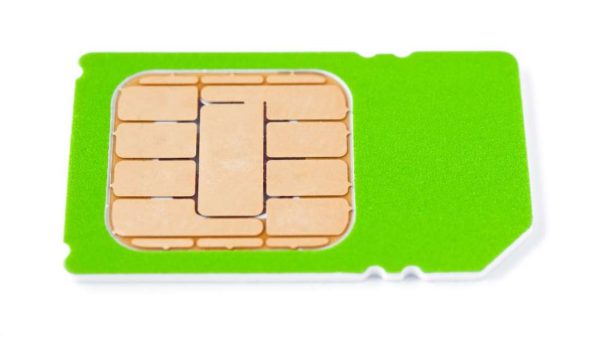
The IFFCO Kisan Sanchar Ltd has launched a green SIM card for farmers (IKSL). IFFCO (Indian Farmers Fertilizers Cooperative) and AIRTEL have partnered to form IKSL. IKSL empowers rural farmers by providing voice-based agricultural information in regional languages. In 2008, this service was launched. Subscribers receive 5 recorded voice messages. everyday. Each voice message is of one minute duration. These messages are in regional languages, covering various fields like Agriculture, Animal husbandry, Horticulture, Insurance, Government policies and schemes, Mandi prices, weather forecast, Sericulture, Pisciculture, Crop Loans, Plant protection, Health etc.
What indicates calcium deficiency in tomato?
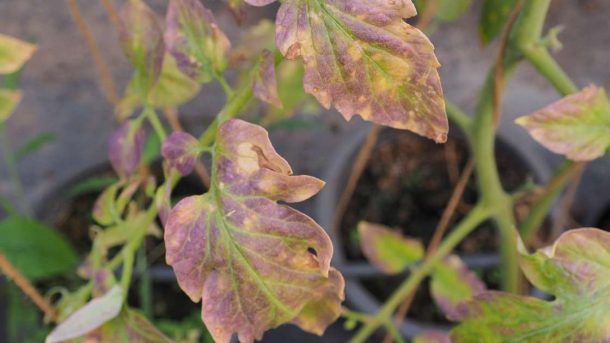
Necrosis can be seen around the base of calcium-deficient leaves. Tomato blossom-end rot is a classic indication of calcium insufficiency. Symptoms include soft, lifeless necrotic tissue. As a result of this, the leaf margins grow more slowly than the remainder of the leaf, causing the leaf to cup downward. Plants that are deficient in calcium have a much higher tendency to wilt than plants that are not stressed.
How leaf webber causes damage in sesame?

Larvae bind a few top leaves together and feed on them. The plant dies without forming any branch or shoot in the early stages of infection. Infested shoots stop growing at a later stage of the attack. Larvae eat inside flowers during flowering, while larvae dig into capsules during capsule formation to feed on developing seeds. From July to September, the pest is active.
What is seed grading ?
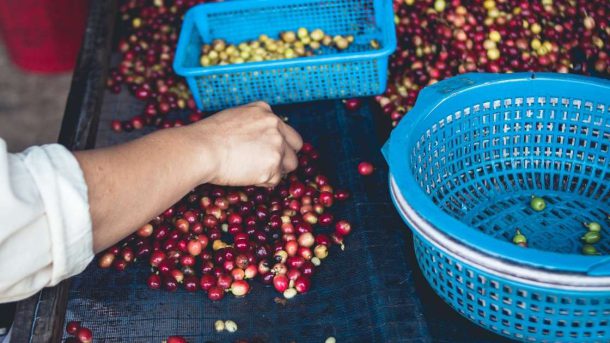
Classification of seed lot based on commercial usage viz., size shape, density and colour is known as grading. It is done further improvement of seed lots as finishing operation. It improves the seed lot by removal of cracked, damaged, shriveled and other defective seeds apart from inert matter.